Leave Your Message
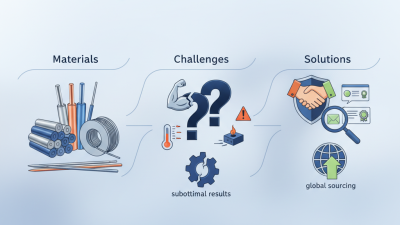
China’s welding supply chain offers a wide range of Welding Accessories, from contact tips and liners to clamps, regulators, and protective gear. But a broad catalog does not guarantee consistent quality. Small parts matter. A worn liner can disrupt wire feeding; a poorly fitting nozzle can slow work on the shop floor.
Demand has a strong industrial backdrop. The International Federation of Robotics reported that China installed 276,288 industrial robots in 2023, representing 51% of global installations that year, in its World Robotics 2024 report. This figure describes robot installations, not welding-accessory sales. Still, it points to the scale of China’s manufacturing base and the practical need for dependable production supplies. Buyers should look beyond price: check material specifications, compatibility, sample quality, inspection records, and a supplier’s ability to maintain consistent batches. Ask for clear photos of packaging and product markings. Request a sample before placing a large order. Worth checking.
Supplier selection is rarely neat. A polished website may tell you little about factory control, while a smaller trading company may communicate well but offer limited traceability. Compare written specifications with physical samples, and clarify lead times, packaging, and replacement procedures before purchase. Where to Buy the Best Welding Accessories in China? The answer depends on the application, the evidence available, and how carefully each supplier is verified. Even then, some uncertainty remains. That is a reason to test, not guess.
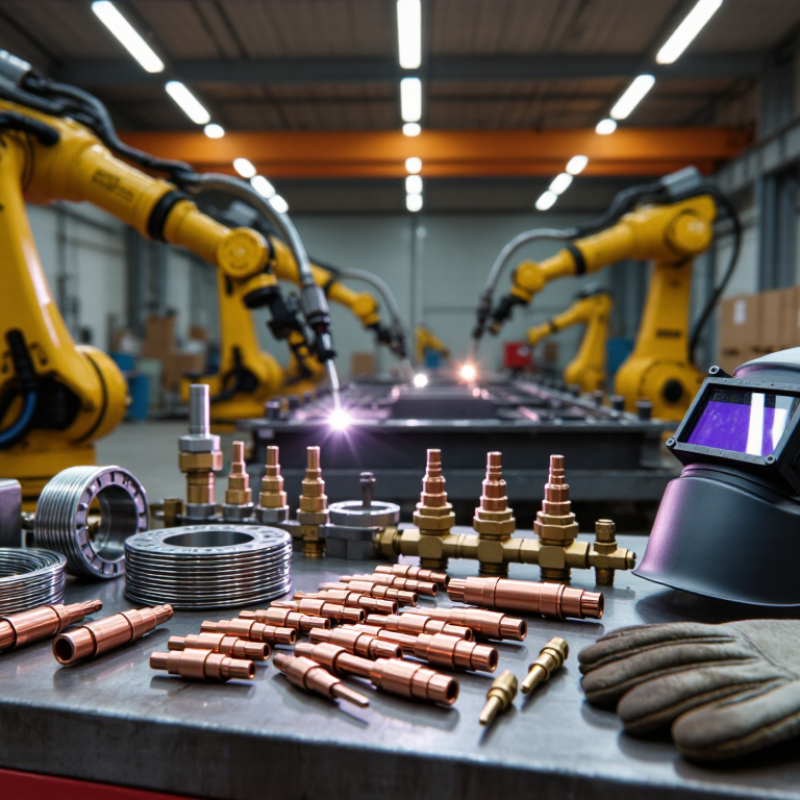
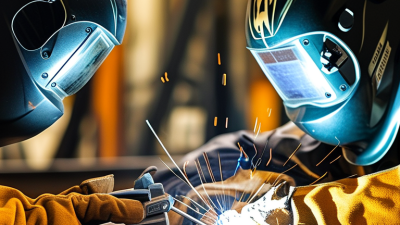
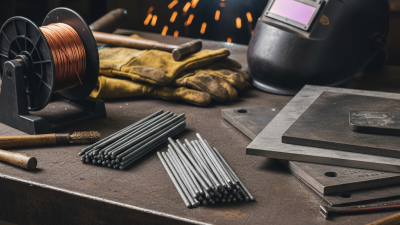
Start with the welding process, material, and work environment. Arc welding often calls for a correctly rated helmet, gloves, protective clothing, and a reliable electrode holder. For cutting or grinding nearby, add eye protection, face shields, and suitable abrasives. Small details matter. Check cable length, connector size, lens shade, and glove fit against the actual job, not just a catalog photo. A clamp, wire brush, or chipping hammer may seem minor, but the right one saves time at the workbench.
When sourcing accessories in China, send suppliers a clear list of required specifications. Include the welding process, dimensions, material, and expected working conditions. Ask for product data and close-up photos of stitching, connectors, and protective surfaces. A trial order can reveal fit and finish before a larger purchase; it may cost more per unit, but that trade-off is worth considering. Compare samples against your equipment and daily routine. Some catalogs leave out small compatibility details, so ask questions rather than assume. If an accessory feels awkward during a short test, it probably will not improve over a full shift.
| Accessory | Common Options or Specifications | Where to Source in China | What to Check Before Buying | Typical Use |
|---|---|---|---|---|
| Stick welding electrodes | Common diameters include 2.5 mm, 3.2 mm, and 4.0 mm. Select the electrode classification and current range to suit the base metal and welding position. | Welding-supply distributors, industrial supply markets, or verified manufacturer-direct sellers. | Check classification, diameter, batch traceability, packaging condition, and storage requirements. Confirm compatibility with the welding procedure. | Shielded metal arc welding (SMAW) on steel and other specified metals. |
| MIG/MAG solid wire | Common wire diameters include 0.8 mm, 1.0 mm, and 1.2 mm. Available in spools suited to different wire feeders and production needs. | Industrial welding distributors or direct suppliers that can provide product documentation and samples. | Match wire classification and diameter to the base metal, shielding gas, liner, and contact tip. Check spool dimensions, surface condition, and packaging. | Gas metal arc welding (GMAW), including shop fabrication and production welding. |
| TIG tungsten electrodes | Common diameters include 1.6 mm, 2.4 mm, and 3.2 mm. Electrode type and diameter depend on the material, current, and AC or DC process. | Specialist welding-supply shops, industrial distributors, or technical suppliers with clear product specifications. | Verify electrode classification, diameter tolerance, tip condition, and suitability for the intended current and material. | Gas tungsten arc welding (GTAW) where precise control of the arc is needed. |
| Contact tips and MIG gun consumables | Contact tips are selected to match the wire diameter and the specific torch design. Nozzles, diffusers, and liners also vary by gun model. | Welding-equipment distributors or torch-consumable specialists; take the torch model or a sample when ordering. | Confirm thread, length, bore, material, and torch compatibility. A tip bore should suit the wire diameter and feeding conditions. | Routine replacement parts for MIG/MAG torches and stable wire feeding. |
| Welding torches and cables | Choose by welding process, rated current, duty cycle, connector type, cable length, and whether the torch is air- or water-cooled. | Equipment distributors, industrial supply markets, or manufacturer-direct channels offering technical support. | Check current rating, duty-cycle information, connector fit, insulation condition, spare-part availability, and applicable safety documentation. | Connecting the power source to the work area and delivering current, shielding gas, or filler wire as required. |
| Welding helmets and eye protection | Options include fixed-shade and auto-darkening helmets. Shade selection should be appropriate for the process and welding current. | Industrial safety-equipment suppliers, welding distributors, or established safety-product sellers. | Check applicable conformity markings, lens clarity, shade range, response and sensitivity settings, headgear fit, and availability of replacement covers. | Protecting the eyes and face from arc radiation, sparks, and hot particles. |
| Welding gloves and protective clothing | Select glove material, cuff length, and garment coverage according to the process, heat exposure, and task. Different tasks may require different levels of dexterity. | Industrial PPE distributors, safety-product markets, or suppliers able to provide material and compliance information. | Inspect stitching, fit, coverage, heat resistance, and condition. Ensure clothing is suitable for sparks and does not expose skin to the arc. | Reducing exposure to heat, sparks, spatter, and abrasion during welding and handling. |
| Clamps, ground clamps, and work leads | Choose clamp size and cable cross-section based on welding current, cable length, connection type, and the workpiece setup. | Welding-supply shops, electrical distributors, or industrial hardware markets. | Check conductor material and cross-section, insulation, connector fit, clamp pressure, and secure contact with clean metal. | Providing a reliable work-return circuit and holding parts in position during fabrication. |
| Welding magnets and fixturing tools | Available in different holding forces, angles, and sizes; use mechanical clamps or dedicated fixtures when stronger restraint is required. | Industrial hardware markets, welding distributors, and tooling suppliers. | Check dimensions, holding-force information, surface condition, and whether the tool can be kept clear of the arc and heat-affected area. | Positioning and holding ferrous parts for tack welding and assembly. |
| Fume extraction accessories | Options include extraction arms, hoods, replacement filters, and ducting sized for the extraction unit and workshop layout. | Industrial ventilation suppliers or welding-fume-control specialists. | Confirm airflow requirements, hood placement, filter type, duct compatibility, maintenance needs, and suitability for the materials being welded. | Capturing welding fumes near the source as part of an appropriately designed ventilation system. |