Best Welding and Cutting Machinery for Your Business Needs?
In the dynamic world of manufacturing, selecting the best welding and cutting machinery is crucial. Industry expert James Hartman, a welding technology specialist, emphasizes, "The right equipment can enhance productivity and ensure quality." Businesses must understand their unique needs to choose wisely.
Welding and cutting machinery encompasses various tools, from MIG welders to plasma cutters. Each piece of equipment serves a specific purpose and can greatly impact production efficiency. For instance, a MIG welder might be ideal for metal fabrication. However, it may not suit all applications.
Evaluating options requires careful consideration. Factors like material type, project scale, and budget play vital roles. Mistakes in this process can lead to decreased productivity and increased costs. Finding the perfect balance between quality and cost-effectiveness is challenging but essential. Embracing this complexity can ultimately lead to better decisions in welding and cutting machinery.
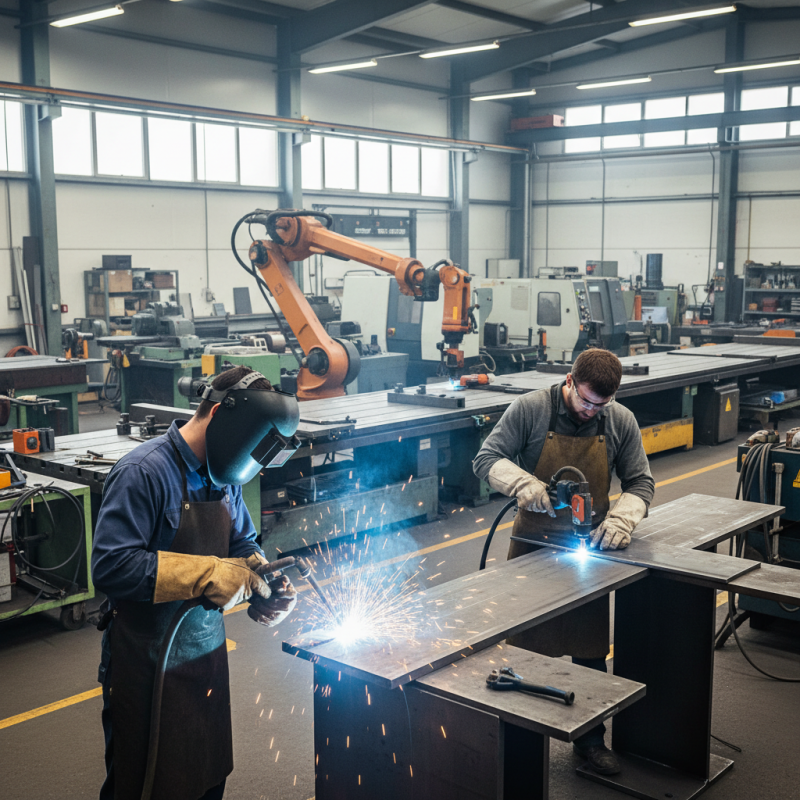
Essential Considerations for Choosing Welding and Cutting Machinery
When choosing welding and cutting machinery, consider various factors that influence performance and efficiency. The global welding equipment market was valued at approximately $20 billion in 2022, indicating significant demand. Such equipment impacts productivity directly, affecting your bottom line. Selecting the right machinery requires understanding specific needs. Output power, portability, and material compatibility are critical.
Machine efficiency can vary widely. For instance, inverter technology enhances energy savings by up to 30%. However, not all welding tasks require high-tech solutions. Simpler equipment can sometimes deliver adequate results at lower costs. Assessing project requirements is essential. Are you working with thick metals or thin sheets? Your answer will guide the choice of machinery.
Reliability is another vital consideration. A detailed report in a recent industry study highlighted that downtime from faulty machinery can lead to losses exceeding $100,000 annually. This highlights the need for quality over sheer power. Evaluating post-purchase support and warranty terms is equally crucial. Choosing wisely prevents pitfalls. Balancing budget constraints with machinery capabilities is challenging. Investing time in research pays off in the long run.
Types of Welding Processes for Different Applications and Industries
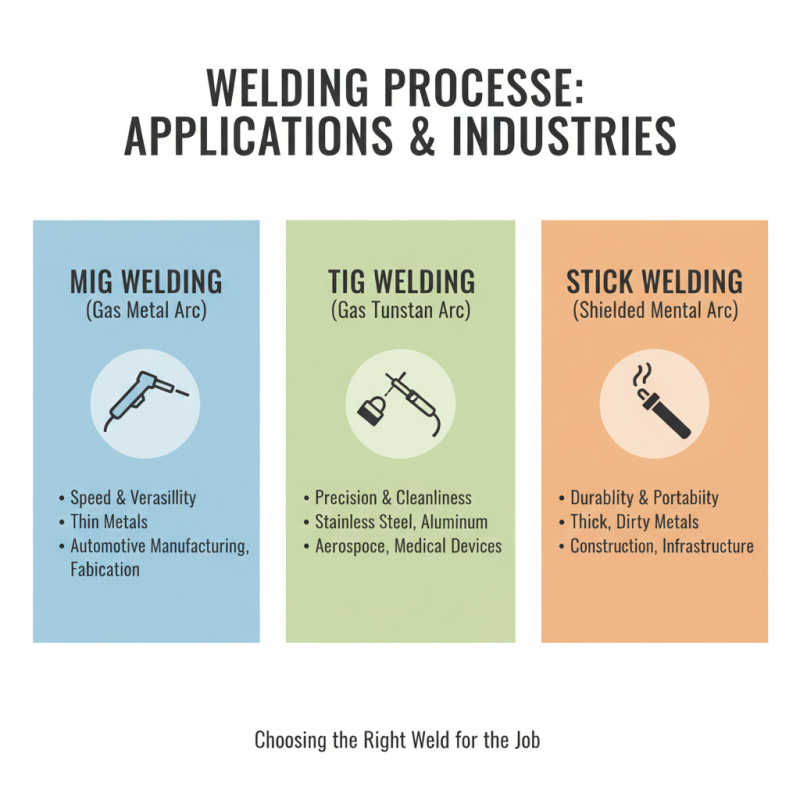
Welding processes vary widely across industries and applications. Each method has its unique strengths and weaknesses. Some techniques are better suited for specific materials. For example, MIG welding is popular for its speed and versatility. It's effective for thin metals and is often found in automotive manufacturing.
TIG welding, on the other hand, offers precision. This process is ideal for intricate work and thin materials, making it essential in the aerospace sector. However, it requires skill and patience, which can be a drawback. Stick welding is robust and effective for outdoor projects. It's less sensitive to wind and contamination, but it can be challenging for beginners.
Oxy-fuel cutting is another essential method. It’s widely used for cutting thick metal sections. This process requires careful handling and knowledge of gas mixtures. Without proper training, accidents can happen. Professionals need to weigh the benefits and potential hazards of each technique. The choice of welding process can significantly impact productivity and safety in the workplace.
Comparative Guide to Cutting Techniques and Their Equipment
When selecting cutting techniques and their respective machinery, understanding the options is crucial. Plasma cutting is popular for its speed and versatility. It works well with various materials, including steel and aluminum. However, it may not produce the cleanest cuts, often needing additional finishing work.
Oxy-fuel cutting is traditional but effective. It uses a flame to melt the metal. This method is reliable for thick metals, yet it can be slow. Operators must be skilled to ensure safety and efficiency, which adds a layer of complexity for businesses.
Laser cutting is precise, targeting intricate designs. It minimizes waste and provides excellent detail. Yet, the initial investment can be high, and it might not be suitable for every material. Balancing these techniques helps businesses align with their production needs and budget constraints. Each method has its advantages and limitations, requiring careful consideration.
Best Welding and Cutting Machinery for Your Business Needs
| Machinery Type |
Cutting Technique |
Material Compatibility |
Power Source |
Typical Applications |
| Plasma Cutter |
Plasma Cutting |
Steel, Aluminum, Copper |
Electric |
Metal Fabrication, Automotive |
| Oxy-Fuel Torch |
Oxy-Fuel Cutting |
Steel, Cast Iron |
Gas |
Heavy-duty Cutting, Metal Recycling |
| Laser Cutter |
Laser Cutting |
Thin Metals, Plastics, Wood |
Electric |
Precision Cutting, Sign Making |
| Water Jet Cutter |
Water Jet Cutting |
Metal, Stone, Glass |
Electric/Hydraulic |
Complex Shapes, Multi-material Cutting |
Top Brands and Models for Welding and Cutting Machinery in 2023
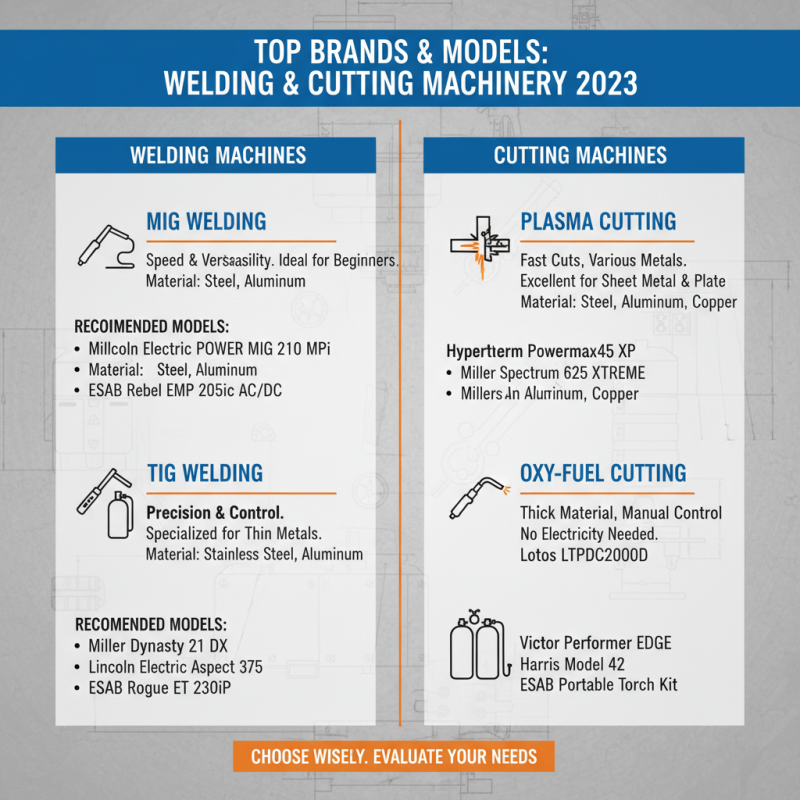
Choosing the right welding and cutting machinery is crucial for any business in 2023. Various models specialize in different tasks, making it essential to evaluate your requirements. For example, MIG welding machines offer speed and versatility, ideal for both beginners and professionals. TIG machines, on the other hand, provide precision, especially for stainless steel and aluminum applications.
When exploring top brands and models, reliability and performance stand out. Investing in equipment with a strong reputation often translates to better support and durability. Deciding whether to prioritize portability or power can be challenging. A lightweight, portable model may be convenient but could lack the same power as heavier alternatives. Understanding your production needs can aid in making an informed choice.
Another consideration is the availability of parts and maintenance services. Having easy access to replacement parts can minimize downtime. However, this might lead to the misconception that more expensive machinery is always superior. Balancing budget against features requires careful thought. Equipment should meet current safety standards, yet some overlooked factors might affect long-term performance.
Maintenance Tips for Maximizing the Lifespan of Your Equipment
Maintaining welding and cutting machinery is crucial for optimal performance and longevity. Regular maintenance can extend equipment life by 30%. According to the American Welding Society, a proactive maintenance plan can reduce downtime by 25%. Keeping machinery in good condition not only saves money but ensures safety for operators.
Daily checks should include inspecting cables, hoses, and connectors. Look for signs of wear, such as fraying or corrosion. In addition, maintaining clean work areas can minimize debris that may interfere with equipment. The National Institute for Occupational Safety and Health (NIOSH) advises regular cleaning to prevent build-up that can cause overheating or malfunctions.
Lubrication is a key aspect often overlooked. Different components need specific lubricants to prevent friction. Failing to apply proper lubrication can lead to costly repairs. Regularly consult machinery manuals for detailed maintenance schedules. Remember, a small oversight today could lead to significant failures tomorrow.
Best Welding and Cutting Machinery for Your Business Needs
This bar chart represents the average maintenance cost (in USD) and downtime (in hours) for different types of welding and cutting machinery over a yearly period. Ensuring regular maintenance can help maximize the lifespan of your equipment.