How to Choose the Right Flame Cutting Robot for Your Needs?
As industries expand, the demand for automation rises. Flame cutting robots are essential in modern manufacturing. According to a recent market report, the global flame cutting machinery market is projected to reach $3.21 billion by 2025. Choosing the right Flame Cutting Robot impacts efficiency and cost-effectiveness.
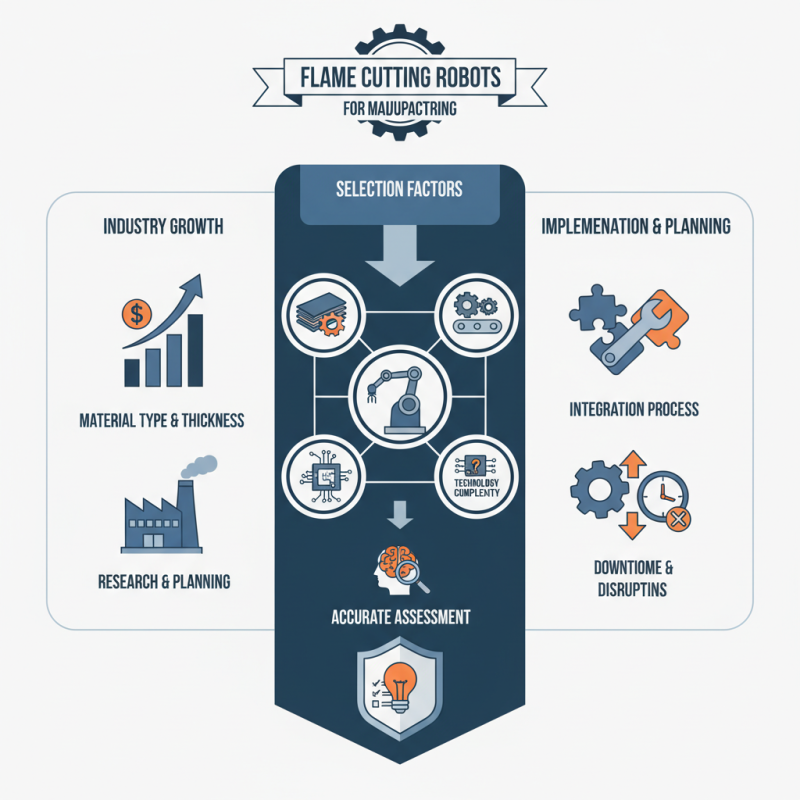
Selecting an appropriate robot requires careful consideration. Factors like material type, thickness, and production volume must influence the decision. Accurate assessments are critical. Underestimating needs may lead to inefficiencies. Moreover, current technology can be complex, making choices overwhelming for manufacturers.
Many organizations overlook the integration process. This can lead to faulty implementations and unexpected downtime. A study revealed that 30% of businesses experienced disruptions when adopting advanced robotics. Therefore, thorough research and planning are vital before investing in a Flame Cutting Robot.
Understanding Your Flame Cutting Needs: Material and Thickness Considerations
When selecting a flame cutting robot, understanding the materials you'll work with is essential. Different materials react uniquely to flames. Steel, aluminum, and other alloys have various melting points and requirements for precision. For instance, thicker metals often need more power and better heat control. This can complicate cuts.
Thickness also plays a significant role. Thin materials may warp easily during cutting. An unsuitable robot could lead to waste and inefficiency. Conversely, cutting thicker plates might require a robot with advanced features, like height sensing. Often, people underestimate the importance of power and speed settings. This can limit the robot's effectiveness, leading to rough edges and lower quality cuts.
Many overlook the importance of customization. Not all robots handle diverse materials well. If your work requires frequent changes in material type or thickness, flexibility is key. A carefully chosen robot can minimize downtime, but it might not fit all situations perfectly. It’s necessary to reflect and assess your specific needs over time to ensure the best fit.
Evaluating Robot Specifications: Speed, Accuracy, and Payload Capacity
When choosing a flame cutting robot, consider specifications like speed, accuracy, and payload capacity.
Speed is crucial for efficiency. A faster robot can complete tasks in a shorter timeframe.
This is especially important for high-volume projects. However, be aware that increased speed can sometimes lead to a compromise in accuracy.
Accuracy matters greatly in flame cutting. A robot that cuts unevenly may lead to wasted materials and extra rework.
Look for robots that offer precise control mechanisms. This ensures consistent quality.
It might be helpful to read reviews or case studies to understand performance better.
Payload capacity also plays a significant role. A robot must handle the materials you intend to work with.
If the payload capacity is too low, you may face delays. However, a robot with too high a capacity might be more cumbersome than needed.
Evaluate your needs carefully to avoid over-investing in unnecessary features.
Think about how each specification aligns with your unique operational demands.
Comparing Different Flame Cutting Technologies: Advantages and Limitations
Flame cutting remains a popular method in metal fabrication. It offers several advantages. For instance, it is cost-effective for thick steel plates. A 2021 report shows that flame cutting has a market share of around 25% in the industrial cutting sector. This technique excels in cutting materials like mild steel and heavy metals, achieving thicknesses up to 300 mm.
However, flame cutting is not without drawbacks. It produces heat-affected zones, which can weaken the metal. The precision of cuts may vary, leading to a need for secondary processes. Studies indicate that over 40% of companies experience issues with edge quality when using flame cutting alone. Alternatives like plasma and laser cutting offer higher accuracy but come with increased costs and complexity.
Each technology has its limitations. It's essential to weigh factors like material type, thickness, and desired finish. While flame cutting has strengths, the inconsistencies can lead to wasted materials and increased labor. Choosing the right technology requires a deep understanding of these factors.
Assessing Integration Capabilities with Existing Production Systems
When selecting a flame cutting robot, integration capabilities are a key factor. Many production systems today rely on advanced automation. A survey by the International Federation of Robotics indicates that around 60% of manufacturers are investing in automation technology. However, not all robots seamlessly connect with existing systems.
Compatibility is often overlooked. Without effective integration, productivity can suffer. A report from the Manufacturing Technology Association suggests that poor integration can lead to downtime of up to 30%. This downtime often arises from communication issues between robots and other machinery. Therefore, evaluating integration capabilities is crucial.
Moreover, it's essential to consider your production environment. Customization is sometimes necessary. This can add complexity to integration. Some robots may require extensive training and support, impacting overall efficiency. Take time to reflect on these aspects before making a decision. Balancing the initial cost with long-term benefits is not always straightforward. Each manufacturing setup is unique, and the right choice may not be obvious at first glance.
Integration Capabilities of Flame Cutting Robots
This chart illustrates the distribution of user preferences regarding the integration capabilities of flame cutting robots into existing production systems. The data reflects how many users find integration easy, moderate, complex, or requiring custom solutions.
Analyzing Cost vs. ROI: Budgeting for Your Flame Cutting Robot Investment
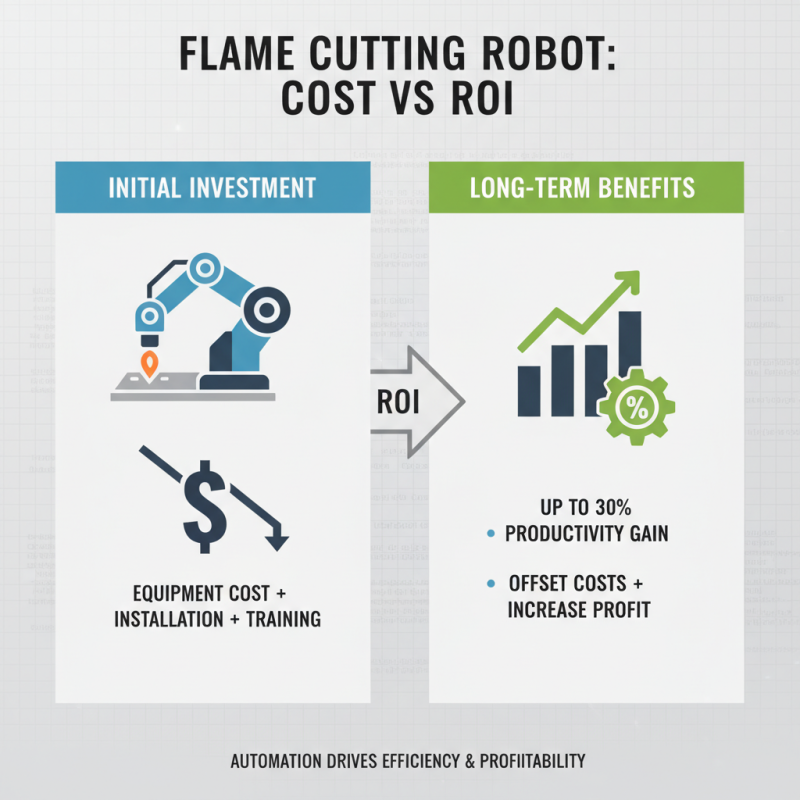
When considering a flame cutting robot, cost versus ROI is crucial. Industry reports suggest that companies investing in advanced automation see up to a 30% increase in productivity. This rise in efficiency can significantly offset initial costs. However, it's vital to accurately assess long-term benefits.
Calculate your budget wisely. Include not just the purchase price, but also maintenance, training, and potential downtime. A thorough analysis can reveal the hidden costs that often lead to disappointing returns. Many companies overlook this critical aspect, leading to frustration later on. Are you prepared for additional expenses?
Tips: Define your needs clearly before making purchases. Is the robot for high-volume tasks, or will it perform complex designs? This clarity helps in choosing the right model.
Additionally, consider the robot's lifespan. Many systems last over a decade with proper care. Investing in higher-quality machinery can yield better returns over time. Do your due diligence to ensure it meets your current and future needs.