How to Choose the Best CNC Cutting Machines for Your Business?
Choosing the right CNC cutting machines for your business is crucial. It can impact your production efficiency and product quality. These machines should meet your specific needs and industry standards.
Your choice will also depend on your budget, available space, and the materials you work with. Ensure you understand the technical features of different machines, such as their cutting speed and precision. These factors can affect your workflow and ultimately, your bottom line.
Do not overlook the importance of reliability and customer support from manufacturers. A machine that breaks down frequently can lead to delays and frustration. Reflect on your requirements and seek expert advice to make an informed decision. Remember, selecting a CNC cutting machine is an investment in your future.
Understanding Different Types of CNC Cutting Machines Available
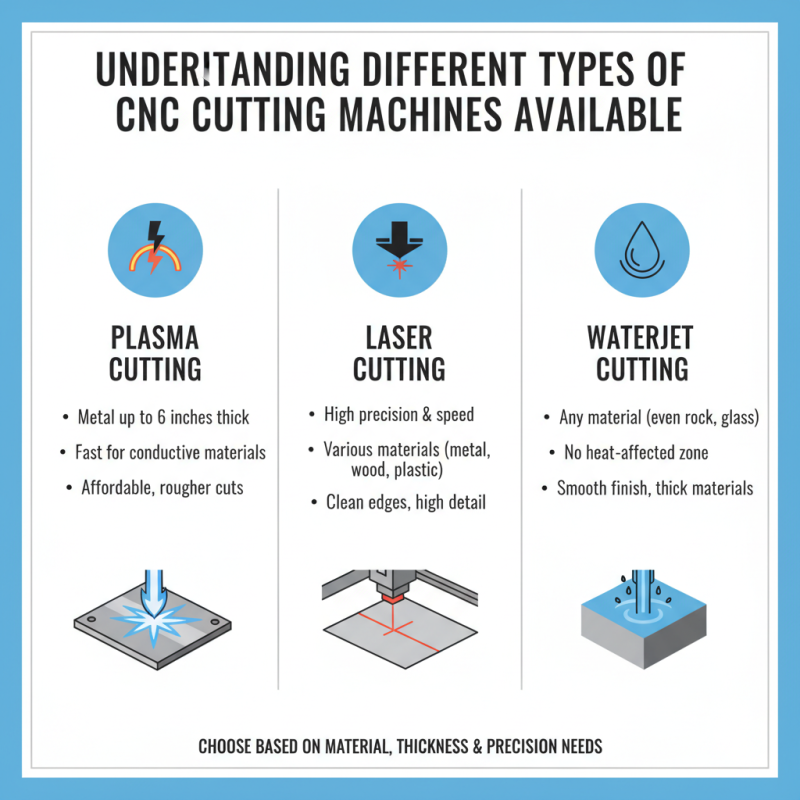
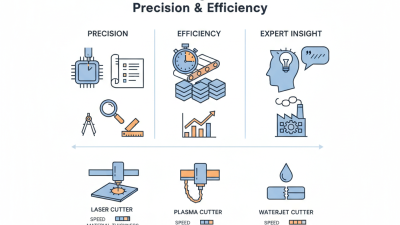
When selecting the right CNC cutting machine, it’s vital to understand the various types available. These machines vary widely in technology, considered specifications, and application suitability. There are three main types of CNC cutting machines: plasma, laser, and waterjet. Each has distinct advantages and limitations.
Plasma cutting is well-known for its speed and efficiency. It excels in cutting metals like steel and aluminum. A report from the Fabricators & Manufacturers Association states that plasma systems increase productivity by up to 30%. However, it may not produce clean edges for thicker materials, which could lead to extra finishing work.
Laser cutting provides high precision and clean edges. It is ideal for intricate designs and thinner materials. Data from the International Journal of Advanced Manufacturing Technology indicates that laser cutting machines can achieve tolerances of 0.01 mm. But, the initial investment is higher. Waterjet cutting, on the other hand, can handle a variety of materials, including stone and glass. It offers versatility, yet the cutting speed can be slower compared to plasma or laser options.
Choosing the right machine means considering these trade-offs. Reflecting on your production requirements ensures the best investment for your business. Detailed knowledge of each machine type empowers better decision-making.
Assessing the Specific Needs of Your Business for Cutting Machinery
Choosing the right CNC cutting machines for your business requires careful consideration. Assessing your specific needs is crucial. Think about the materials you will cut. Different machines handle different materials. For wood, a router might work well. For metal, a laser cutter could be essential.
Tips: Start by listing the types of materials you plan to use. Understand that machine capabilities vary widely. Additionally, consider the volume of work. Are you producing small batches or large production runs? This will influence your choice. A well-suited machine can enhance efficiency.
Reflect on your space limitations too. Some machines may require more space than you have. A compact machine might fit better in a small workshop. Remember, choosing a machine that meets your immediate needs is key, but also think about future growth. Look for equipment that offers flexibility. Being aware of your current and future needs ensures a more informed choice.
Evaluating Key Features and Specifications of CNC Cutters
When selecting a CNC cutting machine, key features and specifications are crucial. Understanding the cutting technology is essential. Different machines employ various technologies like plasma, laser, or water jet cutting. Each method has unique advantages and limitations. Assessing which technology best suits your materials is vital.
Precision in cutting is another critical factor. Look for machines with high tolerance levels. A precise cut reduces waste and improves production quality. Consider the speed of operation as well.
High-speed machines enhance efficiency but may compromise accuracy. Ensure that the machine offers a balance between speed and precision.
Lastly, evaluate the software compatibility. A user-friendly interface can streamline operations. Some machines may also offer advanced programming features. Regular software updates are beneficial. Don't overlook customer support options from the manufacturer, either. Quality support can make a significant difference during machine setup and ongoing maintenance. Remember, the best choice aligns with your specific business needs and goals.
Comparing Costs, Budgeting, and Return on Investment
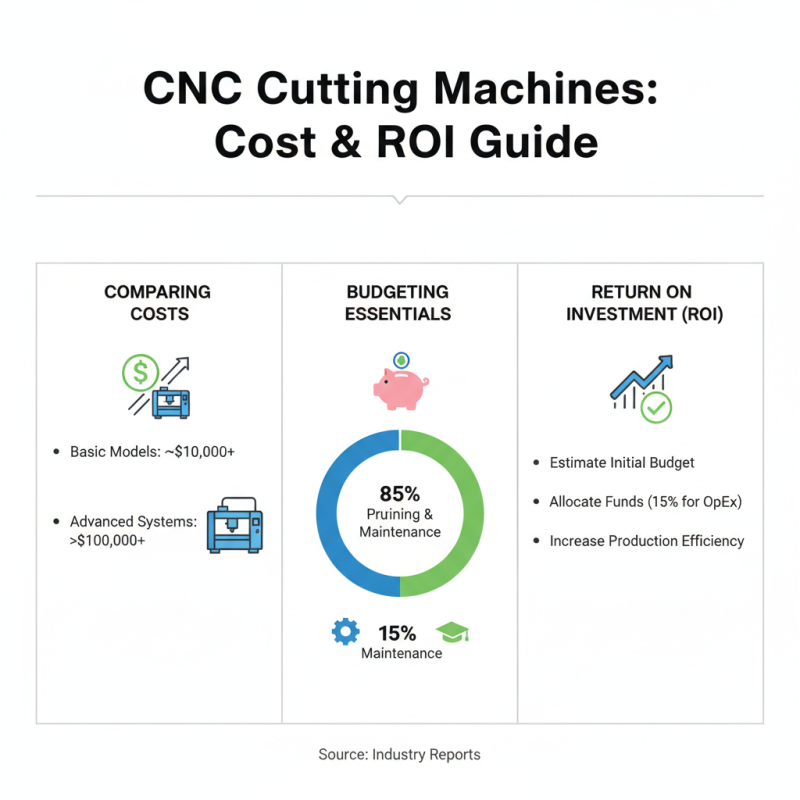
When choosing CNC cutting machines, budgeting and return on investment (ROI) are crucial. Industry reports indicate that CNC machines can vary widely in costs. Basic models might start around $10,000, while advanced systems can exceed $100,000. Your first step is to estimate your budget. Allocating funds for training and maintenance is essential. Approximately 15% of the purchase price should be set aside for these ongoing costs.
ROI is another significant factor. According to a study by the Fabricators and Manufacturers Association, advanced CNC technology can improve productivity by up to 25%. This productivity increase can lead to faster project completion and higher profit margins. However, it's important to recognize that initial costs can be daunting. A miscalculation in budgeting could impact overall financial health.
Consider estimating ROI over three to five years. Tracking performance metrics, such as production rates and waste reduction, can provide valuable insights. Many businesses find it challenging to navigate these metrics, leading to potential inefficiencies. Carefully analyzing each expense against potential benefits is crucial to making an informed decision.
Researching Reliable Manufacturers and Suppliers for CNC Machines
When researching reliable manufacturers and suppliers for CNC machines,
it's essential to focus on quality and reputation.
Industry reports indicate that a high-quality CNC machine can increase productivity by 30%.
However, not all suppliers offer the same standards. Some manufacturers may cut corners, leading to longer downtime or ineffective performance.
Look for companies with a proven track record in the CNC industry.
Examine their certifications and customer reviews. A reliable supplier often showcases case studies illustrating their machines in action.
According to a survey by the International Manufacturing Technology Show, over
70% of manufacturers prioritize supplier reliability over cost.
Investing time in vetting suppliers can prevent costly mistakes. Gather information on their warranty policies and support services.
A manufacturer that provides
excellent after-sales service is invaluable.
Moreover, consider the geographical proximity of suppliers.
Local support can lead to quicker service responses.
Finding the right balance between
cost, quality, and service can be challenging but vital for long-term success.