How to Choose the Best High Precision Robot for Your Business?
The demand for automation in manufacturing has surged. According to a recent report by Markets and Markets, the global robotics market is projected to reach $210 billion by 2025. Within this sector, the use of High Precision Robots has become a critical focus. These robots enhance productivity and ensure quality by performing tasks with exceptional accuracy. Industries ranging from automotive to electronics rely on High Precision Robots to maintain competitive advantages.
However, with various options available, choosing the right High Precision Robot can be challenging. Companies need to consider factors such as payload, workspace, and application specifics. A study by The Association for Advancing Automation indicates that 70% of manufacturers are investing in robotics technology. Yet, not all investments lead to improved outcomes. Many organizations overlook the importance of aligning robotic capabilities with their operational needs.
It’s crucial to weigh both the benefits and potential drawbacks of adopting High Precision Robots. While they can significantly improve efficiency, initial setup costs and the need for skilled operators must not be ignored. Reflecting on these aspects can help businesses make informed decisions in their automation journeys.
Understanding the Key Applications of High Precision Robots in Industry
High precision robots are becoming essential in various industries.
In manufacturing, they enhance accuracy in assembling parts. They are often used in electronics, automotive, and medical fields. For instance, an electronic circuit requires exact placements of components. A malfunction could result in significant losses.
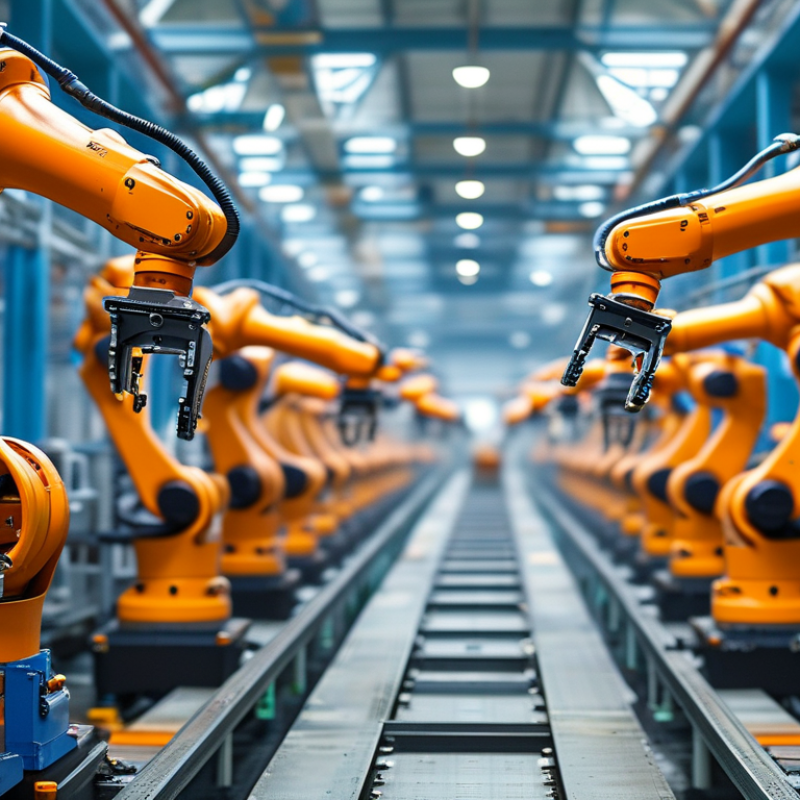
In assembly lines, precision robots can reduce errors. They work tirelessly, offering consistency that humans cannot match. These robots also help in quality control. They can inspect products with high accuracy, minimizing defects. However, the integration process is not without its challenges. Employees may need training to work alongside these machines.
Additionally, adapting to high precision robotics requires careful consideration of workflows. Some industries may not fully leverage their capabilities. Companies must assess their needs and resources. Effective implementation leads to increased productivity and precision. Conversely, a rushed adoption can lead to costly mistakes. Understanding your industry’s specific requirements is crucial. This ensures that these robots provide the intended benefits.
Evaluating the Accuracy and Repeatability Standards of Robotics
When choosing a high precision robot, evaluating accuracy and repeatability standards is crucial.
Accuracy refers to how close a robot's action is to the desired target.
Repeatability, however, is about performing the same action consistently.
Businesses must assess these factors thoroughly. A robot that is accurate but not repeatable can lead to costly errors over time.
Precision is quantified by metrics such as millimeters or microns.
These details matter greatly in industries like manufacturing. A slight deviation can impact product quality.
That said, high precision does not automatically mean high reliability.
It's important to consider the robot's operating conditions. Environmental factors, wear and tear, and programming errors can affect performance.
Businesses should conduct tests to validate a robot's specifications. Observing real-time results can reveal weaknesses. Sometimes a robot performs well in ideal conditions but falters in practice.
Analyzing these discrepancies is essential. Reflection on past robotics implementations can guide future choices.
Being aware of these imperfections helps in selecting the right machine for specific tasks.
Assessing the Cost-Benefit Analysis of High Precision Robotics
When considering high precision robotics, conducting a thorough cost-benefit analysis is crucial. First, evaluate the initial investment versus long-term returns. High precision robots often come with a hefty price tag. However, they can improve production efficiency significantly. Often, increased accuracy reduces waste, leading to substantial savings over time. These savings can offset the high upfront costs if used effectively.
Next, assess the skilled labor aspect. High precision robots require specialized training. This may incur additional costs in the short term. Still, once the workforce is trained, productivity increases. Employees can focus on more complex tasks while robots handle repetitive jobs. This balance can lead to a more motivated team and higher output.
Consider also potential maintenance costs. Robots are complex machines that require regular servicing. An unexpected breakdown can lead to costly downtime. Weigh these risks against the benefits. Reliable data on performance and uptime can guide this decision. Always remember that the most precise solution may not be the right fit for every business. Each company's unique needs should shape your choice.
How to Choose the Best High Precision Robot for Your Business? - Assessing the Cost-Benefit Analysis of High Precision Robotics
| Dimension |
Value |
Description |
| Precision Level |
±0.01 mm |
Accuracy of the robot in positioning tasks. |
| Payload Capacity |
5 kg |
Maximum weight the robot can handle efficiently. |
| Speed |
1000 mm/s |
Maximum linear speed of the robot during operation. |
| Repeatability |
±0.005 mm |
Ability of the robot to return to the same position. |
| Operating Range |
1.2 m |
Maximum effective working area of the robot. |
| Cost |
$50,000 |
Initial investment cost for acquisition. |
| Maintenance Cost |
$2,000/year |
Estimated annual maintenance expenses. |
| ROI Period |
3 years |
Time expected to recoup the initial investment. |
Identifying Industry-Specific Requirements for Robot Customization
When selecting a high precision robot for your business, understanding industry-specific requirements is crucial. Each sector has unique needs that dictate how robots should be customized. For instance, in manufacturing, the robot's arm reach and payload capacity are key. In contrast, healthcare may prioritize sterility and precision in small-scale movements.
Consider the tasks the robot will perform. Will it assemble small components or handle larger equipment? The environment also matters. Robots in food processing must comply with strict hygiene standards. Identifying these specifics ensures the robot enhances productivity and efficiency.
Customization can also involve software and programming. A packaging robot may require user-friendly interfaces. Meanwhile, a robotic arm in electronics might need advanced motion control. Engaging with experts and stakeholders can reveal hidden requirements. Reflection on past implementations can guide better choices, ensuring the robot truly fits your operational needs.
Reviewing Leading Manufacturers and Their Precision Robotics Offerings
Choosing the right high precision robot for your business involves careful consideration of various factors. Different manufacturers offer unique advantages. Assess their precision specifications and application suitability. Look for robots designed for specific tasks in your industry. Some may excel in assembly, while others focus on material handling or quality inspection.
Tips: Always consider the scale of your operations. A robot that suits a small workshop may not fit a large manufacturing facility. Evaluate your production volume and expected growth. This ensures you invest in a robot that meets long-term needs.
Research leading manufacturers before making a choice. An excellent robot will showcase strong performance metrics and reliable support. Investigate user reviews, case studies, and demo videos. This insight offers clarity on real-world performance, which specifications alone can't provide. Keep in mind, no robot is perfect; each will have limitations. Be prepared to refine your selection based on hands-on experience.