How to Choose the Best Machine Vision Welding System?
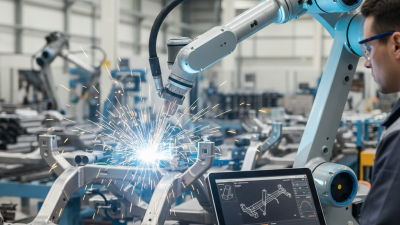
Choosing the best Machine Vision Welding system is crucial for achieving optimal results in various applications. Machine Vision Welding integrates advanced imaging technology into welding processes. This enhances precision and quality, which is essential in competitive industries.
When selecting a system, consider your specific needs. Think about the materials you will be welding and the environments where the system will operate. A reliable system should adapt to different conditions and materials. This adaptability can significantly influence production efficiency.
Machine Vision Welding systems come with varying features and price points. It’s important to evaluate their performance metrics closely. Sometimes, a higher price doesn’t guarantee a better system. Take time to assess and compare different options. Your final decision should reflect both the technology's capacity and your production goals.
Key Factors to Consider for Machine Vision Welding Systems
Choosing the right machine vision welding system involves assessing several critical factors. One key aspect is the camera resolution. High-resolution cameras capture fine details, ensuring better weld quality. According to recent reports, systems with at least 5 megapixels are recommended for intricate welding applications, where precision is paramount.
Another important consideration is the lighting setup. Proper illumination can significantly impact visibility and the overall quality of weld inspections. Adaptive lighting solutions can enhance performance in various environments. A study by the Welding Institute highlights that 30% of welding defects go unnoticed due to poor lighting conditions.
Additionally, the software capabilities of the machine vision system can influence its effectiveness. Look for systems that offer robust image processing algorithms and real-time analytics. Systems that can integrate AI and machine learning show promise in improving defect detection rates. However, some may require user training to reach full potential, revealing a gap between technology and user proficiency. This aspect warrants careful evaluation when selecting a system.
Types of Machine Vision Technologies for Welding Applications
Machine vision technology plays a crucial role in modern welding applications. By using cameras and intelligent algorithms, these systems can enhance the accuracy and quality of welds. There are several types of machine vision technologies suitable for welding, each with its unique advantages and challenges.
One common type is 2D vision systems. These systems provide real-time imaging to inspect weld seams. They can identify issues such as gaps or misalignment. According to recent industry reports, 2D vision systems are widely adopted due to their cost-effectiveness. However, they may struggle in complex geometries.
3D vision systems are another option. They create detailed depth maps of the weld area. This adds a layer of precision that 2D systems lack. A study from a leading research institute found that 3D vision can improve inspection rates by up to 40%. Yet, they come at a higher price point and require more processing power.
Another emerging technology is artificial intelligence (AI) integration. AI can analyze data from welds and improve decision-making processes. It can identify patterns and predict potential failures based on past data. While this is promising, it also requires substantial training and development. Each type of technology has its strengths and weaknesses. Choosing the right system depends on the specific needs of the application.
Evaluating Compatibility with Existing Welding Equipment
Choosing a machine vision welding system requires careful consideration of compatibility with your existing equipment. Integrating new systems can be challenging. A seamless connection ensures minimal disruption in production lines. Data from the International Journal of Advanced Manufacturing Technology highlights that about 30% of manufacturing failures stem from compatibility issues.
It's vital to evaluate the specifications of your current welding setup. Examine factors like the welding process, materials used, and sizes of components. A study by the American Welding Society showed that mismatched systems can lead to a 20% reduction in productivity due to unexpected downtime. This highlights the need for thorough assessments.
Consider the software and communication protocols of your existing machines. Even small discrepancies can cause significant inefficiencies. Many companies overlook this aspect, leading to costly errors. A proactive approach can save both time and resources while enhancing overall welding performance. The implications of ignoring compatibility can be severe, requiring adjustments and retraining.
How to Choose the Best Machine Vision Welding System? - Evaluating Compatibility with Existing Welding Equipment
| Evaluation Criteria |
Description |
Importance Level |
| Compatibility |
Ensure the system integrates seamlessly with current welding machinery. |
High |
| Ease of Use |
User-friendly interface and minimal training required. |
Medium |
| Cost |
Analyze initial investment and total cost of ownership. |
High |
| Performance |
Accuracy, speed, and reliability of the welding process. |
High |
| Technical Support |
Availability of troubleshooting assistance and repair services. |
Medium |
| Flexibility |
Ability to adapt to different welding tasks and materials. |
Low |
Assessing Performance Metrics in Machine Vision Systems
Assessing the performance metrics in machine vision welding systems is crucial for achieving efficient results. Key metrics include resolution, speed, accuracy, and lighting conditions. To visualize these elements, consider a system where poor resolution leads to misalignments. In this case, welding defects can occur, costing time and resources. Slow processing speeds may hinder production rates, resulting in delays.
Lighting conditions greatly affect image quality. Inconsistent lighting can create shadows or reflections that obscure critical details. A system needs to adapt to these variations for effective monitoring. If it fails to do so, it risks reducing weld quality. Accuracy remains central too; a slight error can lead to significant issues down the line.
Evaluating these metrics can be complex. Identifying the right balance between performance and cost is challenging. Continuous assessment is vital, but it's not always straightforward. Engineers must regularly test and refine their systems. They often face the challenge of integrating new technology without disrupting existing workflows. This ongoing process of reflection is essential for optimizing machine vision welding systems.
Performance Metrics for Machine Vision Welding Systems
Cost-Benefit Analysis of Investing in Welding Vision Technology
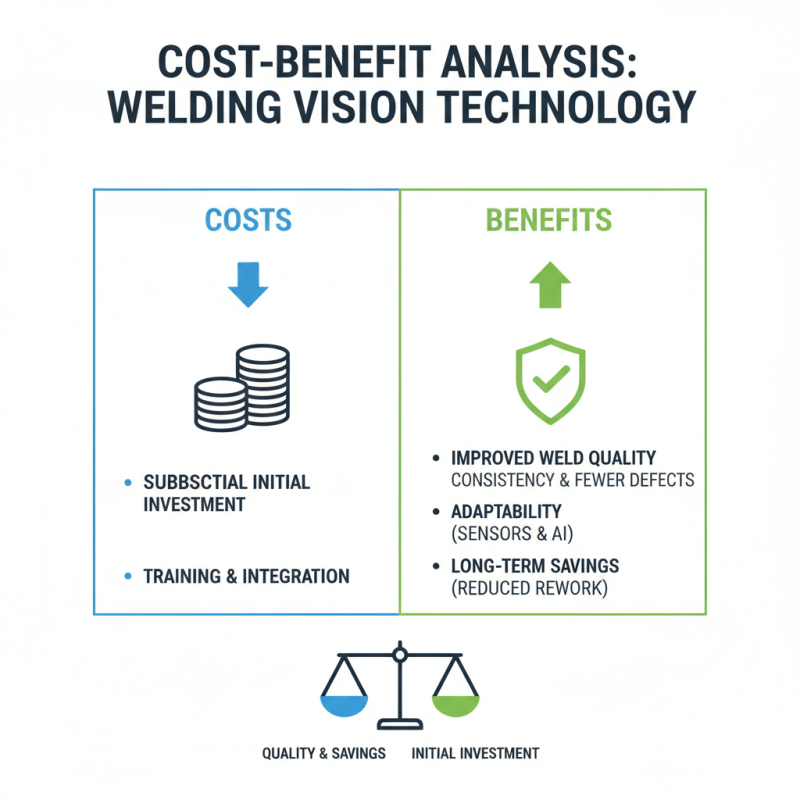
Investing in welding vision technology requires careful consideration of costs and benefits. Newer systems can significantly improve welding quality. They enhance consistency and minimize defects. With advanced sensors and intelligent algorithms, they adapt to different welding conditions. However, the initial investment can be substantial.
When evaluating this technology, consider both direct and indirect costs. Direct costs include the system’s purchase and installation. Indirect costs could arise from training and potential downtime during integration. A lower defect rate can also lead to savings in material and rework expenditure. While the promise of increased efficiency is enticing, businesses must weigh these against initial expenses.
Some users report challenges in implementing and controlling these systems. A learning curve may exist for workers unfamiliar with this technology. Companies must be prepared to invest in training. Additionally, it may take time to observe significant returns on investment. Reflecting on these factors is crucial before making a decision. Balancing immediate costs with long-term benefits will guide effective investment in welding vision systems.