How to Choose the Best Welding Robot for Your Business?
In today’s manufacturing landscape, investing in a Welding Robot can significantly enhance productivity and precision. The global market for welding robots is projected to reach $4.29 billion by 2026, according to a report by MarketsandMarkets. This growth reflects the increasing demand for automation in various industries, including automotive and aerospace. Robotics in welding not only improves efficiency but also reduces errors, leading to superior quality control.
Choosing the right Welding Robot for your business requires careful consideration of several factors. The right equipment can optimize workflow and reduce operational costs. However, it’s essential to ensure the robot fits your specific needs. For example, some businesses may struggle with integrating new technology into their existing systems. The complexity of these decisions can be overwhelming, especially for smaller enterprises.
Understanding the distinct applications of welding robots is crucial. Features like payload capacity, reach, and programming capabilities vary widely. Moreover, training personnel to operate these robots can pose additional challenges. Companies must weigh the upfront costs against the long-term benefits. Investing in a Welding Robot can revolutionize operations, but success hinges on making informed choices.
Understanding the Different Types of Welding Robots Available
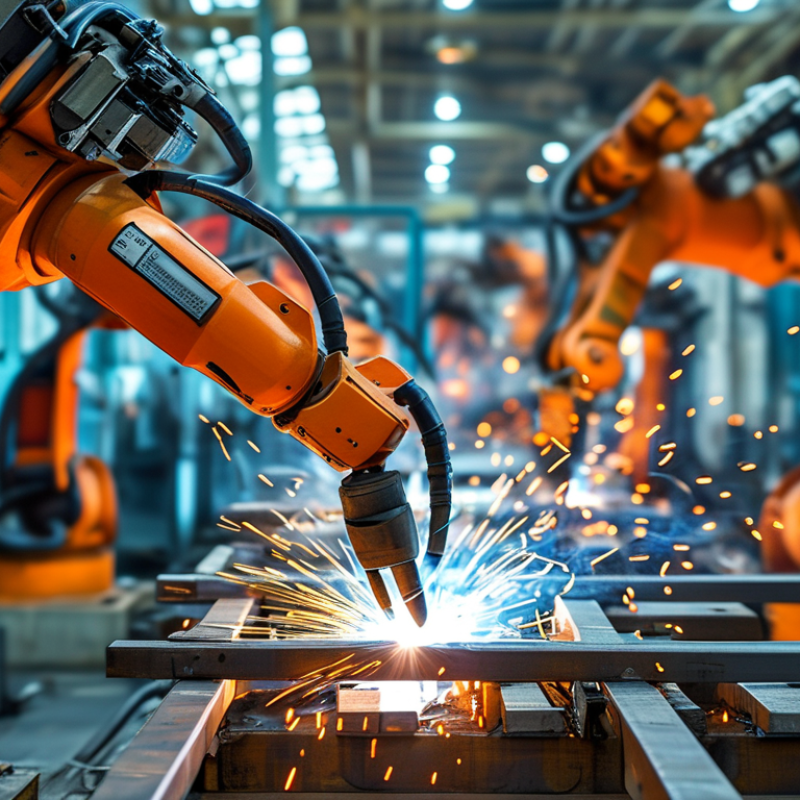
When selecting a welding robot for your business, it’s crucial to understand the various types available. The primary categories are articulated robots, Cartesian robots, and collaborative robots (cobots).
Articulated robots, with their multiple joints, offer flexibility. Reports from the International Federation of Robotics indicate that they dominate the market due to their precision in complex tasks.
Cartesian robots, on the other hand, move along linear paths. They excel in high-speed applications but lack the flexibility of articulated models. Automated Welding Systems outlines that these robots are often more cost-effective, making them appealing for small to medium enterprises with repetitive tasks.
Tips: Assess your production needs. Consider factors like space and workflow. Collaborative robots are perfect for environments requiring human interaction. Their safety features are vital in mixed operations.
Understanding these types can significantly impact your efficiency and output. Research shows that companies implementing robotic welding can see productivity increases of up to 20%. Reflect on your choice carefully. The right robot can streamline processes but the wrong one may lead to setbacks. Evaluate your long-term goals alongside immediate needs.
Assessing Your Business Needs and Production Requirements
Choosing the right welding robot for your business starts with understanding your specific needs. Each operation has unique requirements.
Consider the volume and complexity of your welding tasks. Is high precision necessary? Do you need the robot to work on
larger components? These factors influence your decision significantly.
Evaluate your production environment as well. If you operate in a limited space, a compact robot might be best. Also, think about your
team’s expertise. Does your team have the skills to program and manage a sophisticated robot system? Some robots require technical
know-how, which may necessitate additional training.
Reflecting on these aspects is crucial. Many businesses rush into purchasing without thorough assessments. This can lead to improper
fits or wasted resources. Don’t overlook the potential of versatility. A robot that can adapt to various tasks may offer
more long-term value. Investing time upfront can save money down the road.
Evaluating Key Features and Specifications in Welding Robots
When selecting the best welding robot for your business, it’s critical to assess key features and specifications thoroughly. Welding robots typically vary in parameters such as payload capacity, reach, and speed. According to a 2022 industry report, about 70% of manufacturing facilities favor robots with a payload capacity of 10–30 kg. This specification meets the needs of many typical welding tasks, providing both efficiency and flexibility.
Speed is another pivotal factor. Many modern welding robots operate with a cycle time of approximately 1–2 seconds per joint. This speed allows for significant productivity improvements. However, striking a balance is essential. Sometimes, faster robots can overlook quality, leading to increased rework. Evaluating the accuracy of a robot's welding process is equally essential. Industry studies reveal that deviation rates can differ widely, influencing production costs and material use.
In addition, consider the robot's programming and ease of integration into existing systems. Features like user-friendly interfaces or compatibility with advanced welding techniques, such as TIG or MIG welding, enhance operational efficiency. A common oversight is underestimating the importance of technical support and parts availability, which can impact long-term operational reliability. Robust documentation and a responsive support team are vital for seamless integration and troubleshooting.
Comparing Costs and Return on Investment for Automation
When considering the cost and return on investment (ROI) for automation through welding robots, businesses must analyze multiple factors. The upfront cost of purchasing a welding robot can be substantial. However, it's essential to look beyond initial expenses. Consider long-term benefits, like increased productivity and reduced labor costs. These factors can lead to significant savings over time.
**Tip:** Conduct a cost analysis. Include maintenance, training, and potential downtime in your calculations. This will provide a clearer picture of true costs.
Establishing ROI involves tracking improvements in production speed and quality. Automated welding can reduce human error, leading to higher quality products. Gathering data on production rates before and after implementation will help gauge effectiveness.
**Tip:** Set specific benchmarks. Monitor output and efficiency regularly. This will highlight areas for improvement or adjustments in the automation process.
Selecting the right welding robot isn't just about the price tag. It requires thoughtful consideration of how the investment aligns with your business goals. Reflect on whether the robot truly fits your needs and how it can affect your workforce dynamics long-term.
Researching Manufacturers and Readily Available Support Services
Choosing the right welding robot is crucial for your business. Researching manufacturers is a key step. It helps you find reliable partners. According to the International Federation of Robotics, the welding robot market is growing rapidly. This sector is expected to surpass $9 billion by 2025. Understanding who the leaders are in this field is important. Look for proven experience and customer testimonials.
Support services can make or break your choice. Opt for manufacturers offering extensive support. A recent survey found that 65% of companies value after-sales service. This includes training, maintenance, and troubleshooting assistance. Ensure that the support team is easily accessible. They should have a reputation for quick, effective response.
Tips: Check if the manufacturer provides online resources. These can include manuals, video tutorials, and FAQs. Consider the availability of local service technicians. Fast support reduces downtime, enhancing productivity. Regular feedback on the robot's performance can guide improvements. Always be open to evaluating your needs. Reflect on past experiences with machinery to inform your choice.
How to Choose the Best Welding Robot for Your Business?
| Dimension |
Details |
| Robot Type |
Articulated, Cartesian, SCARA |
| Payload Capacity |
Up to 500 kg |
| Welding Process |
MIG, TIG, Stick, Laser |
| Precision |
±0.1 mm |
| Programming Language |
Teach pendant, Offline programming tools |
| Support Services |
24/7 technical support, Training services |
| Warranty Period |
2 to 5 years |
| Average Price Range |
$20,000 to $150,000 |