Why You Need CNC Cutting Machines for Your Manufacturing Business Success
In today's highly competitive manufacturing landscape, precision and efficiency are more critical than ever. One technological advancement that has revolutionized the manufacturing process is the introduction of CNC cutting machines. These sophisticated tools not only enhance the quality of produced goods but also streamline production workflows, leading to significant cost savings and increased output. As businesses strive for success, understanding the role of CNC cutting machines becomes essential to staying ahead in the industry.
CNC cutting machines utilize computer numerical control technology, allowing manufacturers to achieve remarkable levels of accuracy and repetition in their cutting processes. This precision eliminates the common pitfalls associated with manual machining and reduces material wastage, promoting a more sustainable manufacturing approach. Furthermore, the versatility of CNC cutting machines enables them to work with a variety of materials, thereby expanding the capabilities and product offerings of manufacturing firms.
By investing in CNC cutting machines, manufacturing businesses position themselves not just as competitors, but as leaders in innovation and efficiency. Embracing this technology can lead to improved product quality, faster turnaround times, and ultimately, greater customer satisfaction. As we delve deeper into the myriad benefits and applications of CNC cutting machines, it becomes clear that harnessing this technology is key to achieving long-term success in the manufacturing sector.
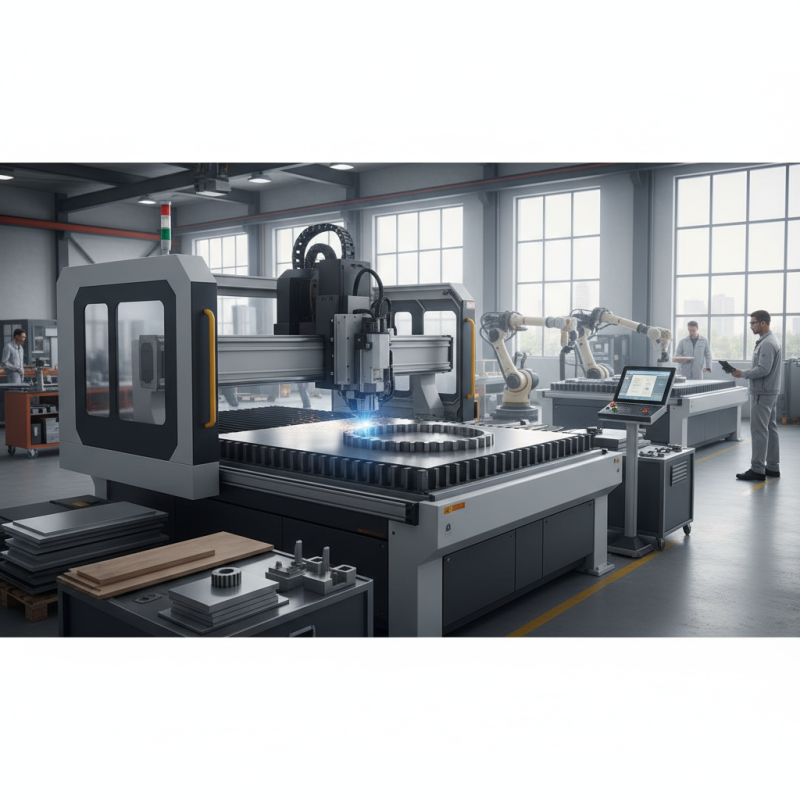
Benefits of CNC Cutting Machines in Modern Manufacturing
The integration of CNC cutting machines in the manufacturing sector offers substantial benefits that can significantly enhance operational efficiency and productivity. According to a report by MarketsandMarkets, the global CNC machine market is projected to reach $117.89 billion by 2028, growing at a CAGR of 8.5% from 2021. This growth underscores the rising importance of CNC technology in modern manufacturing processes. CNC machines enable precision cutting, which lowers material waste and reduces production costs, leading to higher profit margins.
Furthermore, CNC cutting machines enhance production flexibility. They can quickly switch between different designs and materials, accommodating urgent client requirements or custom orders without sacrificing quality. A study by Deloitte highlights that manufacturers that adopt advanced technologies, including CNC machines, see up to a 30% increase in overall operational efficiency.
**Tips:** When considering the adoption of CNC cutting machines, assess your business needs carefully. Invest in robust training for your operators to maximize the potential of these machines, as skilled personnel can dramatically improve the quality of production. Additionally, regularly maintaining your CNC equipment will ensure longevity and consistent performance, preventing costly downtimes that can disrupt your manufacturing workflow.
Types of CNC Cutting Machines and Their Applications
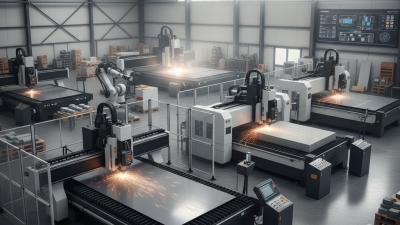
CNC cutting machines come in various types, each designed for specific applications and materials, making them essential tools in modern manufacturing. One common type is the CNC laser cutting machine, which utilizes focused laser beams to cut through materials like metal, wood, and plastic with precision. This technology is particularly valued for its ability to create intricate designs and fine details that might be challenging with traditional cutting methods. Laser machines are widely used in industries ranging from automotive to fashion, allowing for high-quality production and significant material savings.
Another prominent type is the CNC plasma cutting machine, often employed for cutting thicker metals. Plasma cutting utilizes a high-velocity jet of ionized gas to melt and remove material, which is ideal for industrial applications where speed and efficiency are paramount. This method is favored in construction and manufacturing sectors where heavy-duty metal fabrication is required. In addition, CNC water jet cutting machines are versatile options that can cut through a diverse range of materials, including stone, glass, and composites, without generating heat, thus preserving the integrity of heat-sensitive materials. Each type of CNC cutting machine plays a pivotal role in enhancing productivity and precision in manufacturing processes, catering to the unique demands of different industries.
How CNC Technology Enhances Precision and Efficiency
CNC technology has revolutionized the manufacturing industry by significantly enhancing precision and efficiency. Unlike traditional machining methods that often rely on manual operation, CNC (Computer Numerical Control) machines utilize computer software to control the movement of tools and machinery. This automation enables manufacturers to create complex parts with unparalleled accuracy, meeting tight tolerances that manual processes could hardly achieve. The consistency of output offered by CNC machines minimizes the margin for error, ensuring that each product adheres to exact specifications.
In addition to precision, CNC cutting machines also improve efficiency within the manufacturing process. They can operate continuously, reducing downtime and increasing productivity. With the ability to quickly switch between different designs and cut materials with minimal setup time, manufacturers can respond to market demands more swiftly. This adaptability not only streamlines production but also allows for greater flexibility in design changes, fostering innovation. By integrating CNC technology, businesses can optimize their manufacturing operations, leading to reduced costs and better resource management while maintaining a high standard of quality in their products.
Impact of CNC Technology on Manufacturing Efficiency
Cost Considerations for Implementing CNC Cutting Machines
When considering the integration of CNC cutting machines into your manufacturing business, cost becomes a pivotal factor. The initial investment for CNC machines can be significant, encompassing not just the machines themselves but also installation and training costs. It's essential to analyze the long-term savings and efficiencies these machines offer. By streamlining operations and reducing material waste, CNC cutting machines ultimately lead to lower operational costs over time.
Tips: When calculating the return on investment (ROI) for CNC cutting machines, factor in potential reductions in labor costs and increased production speed. Additionally, consider the costs associated with potential machine downtime versus the benefits of investing in durable, high-quality equipment that minimizes long-term maintenance expenses.
Another critical cost consideration is the need for software and regular updates to keep your CNC machines operating at peak efficiency. Budgeting for these elements ensures seamless integration into your manufacturing process. By prioritizing these expenses, you’ll not only enhance operational resilience but also drive innovation within your business.
Tips: Look for training programs that can help your team maximize the capabilities of CNC technology, as well-trained staff can significantly improve production outcomes and minimize errors. Regularly evaluating your manufacturing processes can also reveal opportunities for improvement and savings.
Why You Need CNC Cutting Machines for Your Manufacturing Business Success - Cost Considerations for Implementing CNC Cutting Machines
| Cost Type |
Estimated Cost ($) |
Benefit |
| Initial Investment |
50,000 - 150,000 |
High precision cutting capabilities |
| Maintenance Costs |
5,000 - 10,000 annually |
Ensures longevity and reliability |
| Material Costs |
Varies based on material |
Allows for various material types |
| Operational Costs |
2,000 - 5,000 monthly |
Efficient production process |
| Training Costs |
1,000 - 3,000 per session |
Skilled workforce for CAD operations |
| Software Licenses |
2,000 - 10,000 annually |
Advanced design capabilities |
Future Trends in CNC Cutting Technology for Manufacturing Success
The future of CNC cutting technology is poised to revolutionize the manufacturing landscape, offering businesses unprecedented opportunities for efficiency and precision. As industries strive for greater automation, advancements in CNC machines are focused on enhancing productivity through innovative features such as artificial intelligence and machine learning. These technologies enable machines to adapt to varying material types and thicknesses, optimizing cutting paths in real time and significantly reducing waste.
Another crucial trend is the integration of Internet of Things (IoT) capabilities in CNC cutting technology. This connectivity allows machines to communicate with other equipment and systems within a manufacturing environment. The result is a seamless flow of data that enables predictive maintenance, minimizes downtime, and ensures consistent quality control throughout the production process. Manufacturers that embrace these advancements will not only improve operational efficiency but also gain a competitive edge by responding swiftly to market demands and minimizing lead times.
Moreover, sustainability is becoming a fundamental focus in CNC cutting technology. Manufacturers are increasingly seeking machines that use eco-friendly processes and reduce energy consumption. Innovations such as advanced power management systems and optimized cutting algorithms are contributing to greener manufacturing practices. As businesses shift towards more sustainable operations, investing in CNC cutting machines equipped with these features will be essential for long-term success and environmental responsibility.