How to Use a Cnc Rotary Cutter for Precision Cutting Projects?
In the world of precision cutting, the CNC rotary cutter stands out as a versatile tool. It offers unmatched accuracy for various materials. Using this machine, however, requires specific techniques and understanding.
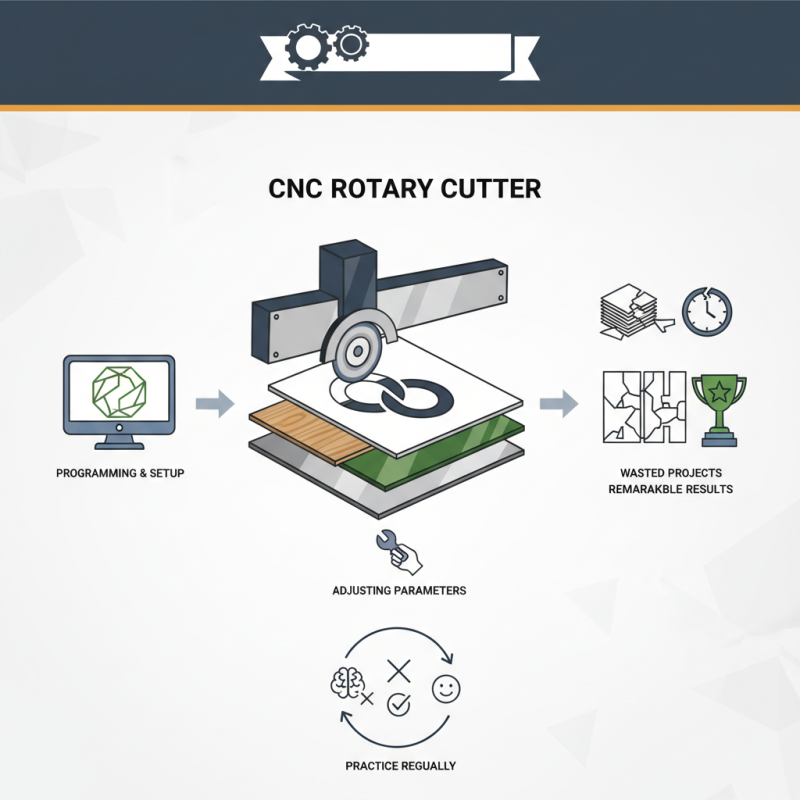
The CNC rotary cutter operates with a spinning blade that follows a programmed path. This allows for intricate designs and detailed cuts. Users can achieve remarkable results on wood, plastics, and metals. Nonetheless, mastering the CNC rotary cutter can be challenging. Many newcomers face difficulties in programming and setup. It’s important to be patient and practice regularly.
Imagine starting a project and realizing the settings were off. This can lead to wasted materials and time. Learning to adjust parameters takes effort but pays off in the long run. Overall, utilizing a CNC rotary cutter can elevate your projects, but it may require a bit of trial and error.
Understanding CNC Rotary Cutters and Their Applications
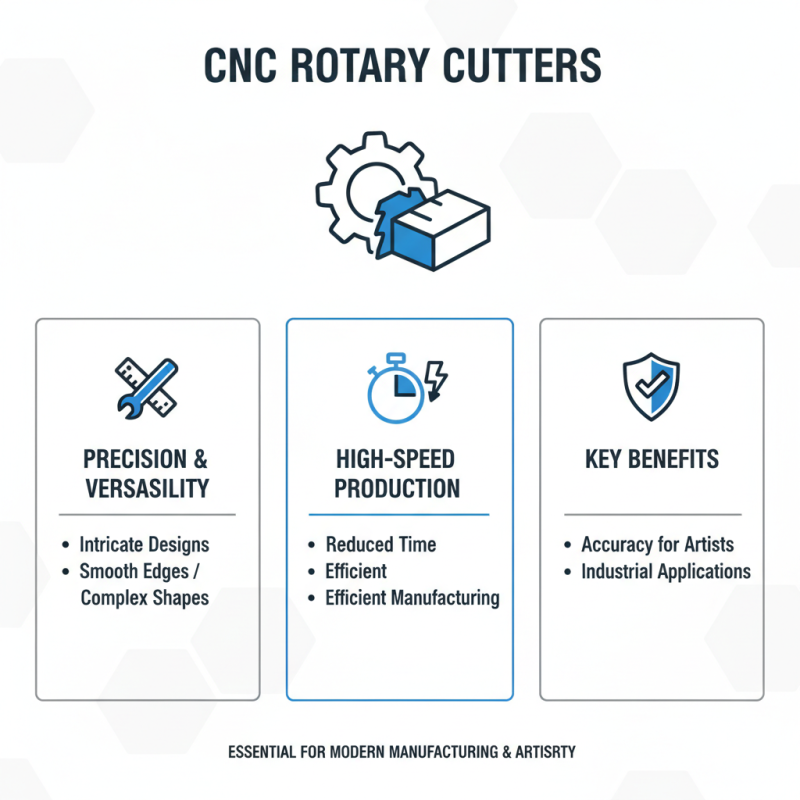
CNC rotary cutters are versatile tools used in various industries. They excel in precision cutting tasks, making them essential for intricate designs. With a rotating blade, these cutters can create smooth edges and complex shapes. This technology allows for high-speed cutting, reducing production time. Artists and manufacturers alike benefit from their accuracy.
Understanding the applications of CNC rotary cutters can enhance project outcomes. They are widely used in wood, metal, and plastic fabrication. For instance, signage production relies on CNC rotary cutters for detailed lettering. Custom parts for machinery may also demand this precision. However, achieving the perfect cut requires practice and adjustment. One might find that the ideal speed or feed rate varies greatly. Experimenting with different materials can lead to unexpected results.
Reflecting on the learning process is vital. Mistakes can happen, such as incorrect settings leading to rough edges. These moments offer insight into refining techniques. A clear understanding of your specific project needs is crucial. Enthusiasts should keep learning from their experiences to improve their skills with CNC rotary cutters. The journey is as important as the end result.
Essential Tools and Equipment Needed for CNC Rotary Cutting
When diving into CNC rotary cutting, having the right tools and equipment is crucial. Essential items include a CNC machine with rotary capabilities and high-quality rotary cutters. According to a report by the International Federation of Robotics, about 80% of manufacturing efficiency improves with advanced CNC technologies. This statistic underscores the importance of equipping your workspace properly.
In addition to a CNC machine, tools like a precise measuring device, milling bits, and a sturdy worktable are vital. Each rotary cutter has specific applications, whether cutting wood, metal, or plastics. It’s often noted that the wrong cutter can lead to wasted material. A study from the American Society for Quality indicates that improper tool selection can lead to a decrease in productivity by up to 30%.
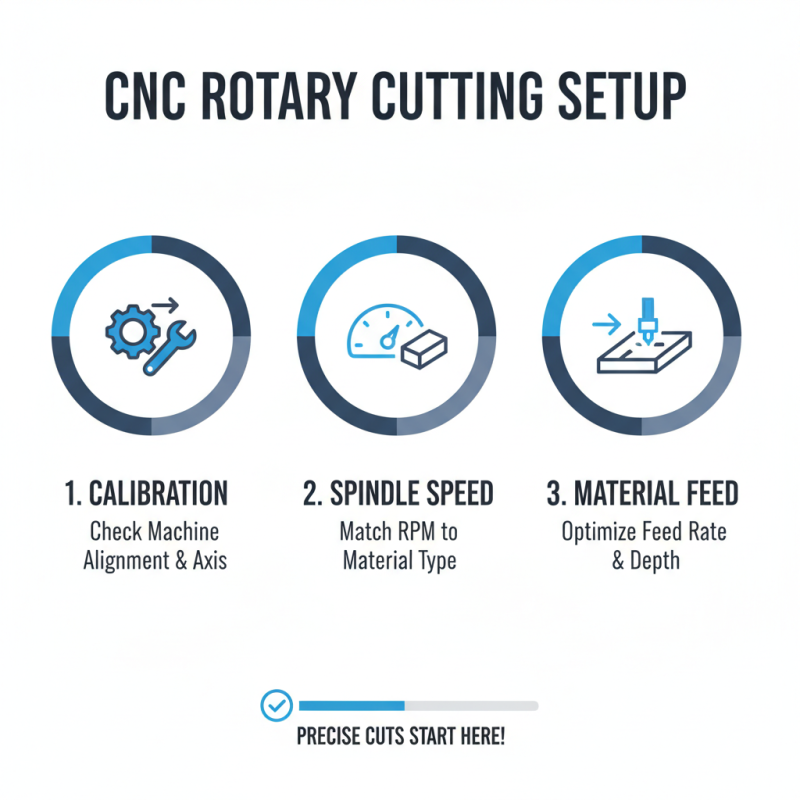
Setting up these tools requires attention to detail. A well-calibrated CNC rotary cutter provides consistency in cuts. It’s essential to remember that settings can vary based on material characteristics. Many users overlook calibration, leading to inconsistency in projects. Proper care and maintenance are also frequently neglected, which diminishes the lifespan of your tools. Recognizing these challenges is the first step toward achieving precision in your cutting projects.
Techniques for Achieving Precision Cuts with CNC Rotary Cutters
CNC rotary cutters are powerful tools for precision cutting. They enable intricate designs that require high accuracy. According to industry reports, CNC technology can increase production efficiency by over 25%. This improvement significantly enhances the quality of finished products.
To achieve precision cuts, understanding tool paths is essential. CNC software provides various paths to optimize cutting. Experimenting with speed settings and feed rates can lead to better results. High-quality materials can also make a difference. Some users overlook this aspect, which can impact the final output.
Tip: Always perform test cuts on scrap material before the final project. This practice helps fine-tune the settings. Additionally, ensuring the cutter is sharp can optimize performance. A dull blade can lead to rough edges and imperfections. It's vital to recognize that learning from errors is part of the process. Each project offers insights for improvement.
Safety Precautions When Using CNC Rotary Cutters
When using a CNC rotary cutter, safety is paramount. The machine's speed and precision can lead to accidents if proper precautions aren’t taken. Always wear safety gear like goggles and gloves. These protect against debris and sharp materials. A dust mask is also advisable to avoid inhaling particles.
Check the workspace before starting. Clear any clutter that could interfere with your operation. Make sure you have proper lighting. Inspect the machine as well; loose cables and faulty tools can create dangerous situations. A quick inspection can save time later.
Tips: Maintain a safe distance from the cutter while in operation. Use clamps to secure your materials. Avoid any distractions during the cutting process. You might think it’s simple, but distractions can lead to serious errors. Always stay focused on the task at hand. Evaluate your work area often to ensure it’s safe and efficient.
Usage of CNC Rotary Cutters for Precision Cutting Projects