Top Digital Tips for Choosing Traditional Welding Equipment?
In the ever-evolving landscape of welding, the choice of Traditional Welding Equipment remains crucial. According to the American Welding Society, the global welding equipment market is projected to reach $33.4 billion by 2025. This surge highlights the increasing importance of selecting the right tools for efficiency and safety. With so many options available, making informed decisions is critical for both professionals and hobbyists.
Traditional Welding Equipment encompasses a variety of tools, including MIG, TIG, and stick welders. Each type serves different functions and materials, making it vital to understand their specific applications. Recent industry reports indicate that nearly 60% of welding accidents stem from improper equipment use. This statistic underscores the necessity of not only knowing your tools but also choosing them wisely.
Investing in reliable equipment can greatly affect project outcomes. Consider features such as power settings, portability, and maintenance needs. However, it's essential to reflect on user reviews and professional recommendations. Even with the best intentions, mistakes in equipment choice can lead to costly delays and safety risks. Choosing wisely today can shape the quality of welding work tomorrow.
Understanding the Types of Traditional Welding Equipment Available
When considering traditional welding equipment, it's essential to understand the various types available. You might encounter MIG, TIG, Stick, and Flux-Cored welding. Each type has its specific applications and techniques. For instance, MIG welding is popular for its ease of use, making it ideal for beginners. In contrast, TIG welding offers more control, suitable for detailed work on thin materials.
Finding the right equipment depends on the projects you intend to tackle. Evaluate your needs carefully. Why invest in a machine that doesn’t fit your purposes? A smart choice can save time and money in the long run. Think about the materials you will be working with. Steel and aluminum require different approaches.
Here are some tips to keep in mind: always invest in safety gear. Proper gloves and masks protect against sparks and fumes. Don’t overlook the importance of a reliable power source. Overheating can lead to major issues during welding. Research the specifications of each tool before making a purchase. It’s key to match your skill level to the equipment’s demands. Remember, quality matters. Cheap tools may require more repairs or replacements, which could lead to frustration and wasted time.
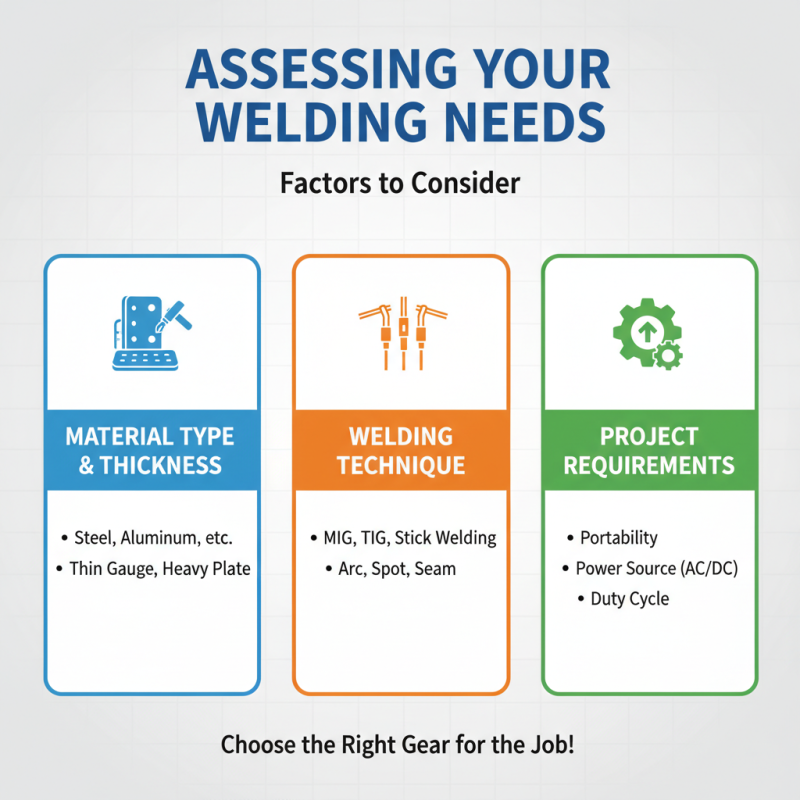
Assessing Your Welding Needs: Factors to Consider
Choosing the right traditional welding equipment requires careful assessment of your needs. Different projects demand different tools. Consider factors like material type, thickness, and the specific welding technique you plan to use. Each project has unique requirements that can dictate your gear.
Tips for selecting equipment: Start by evaluating the types of materials you'll work with. Steel, aluminum, and stainless steel each require different settings. Think about the size and scale of your work. Smaller projects may benefit from portable equipment, while larger tasks might need more robust solutions.
Another important factor is your skill level. Beginners might prefer easier-to-use machines, while experienced welders may seek advanced features. Don't overlook safety equipment. Proper gear, such as helmets and gloves, ensures a safe working environment. Reflect on these aspects to make a more informed choice. It’s crucial to match your tools with your capabilities and project demands.
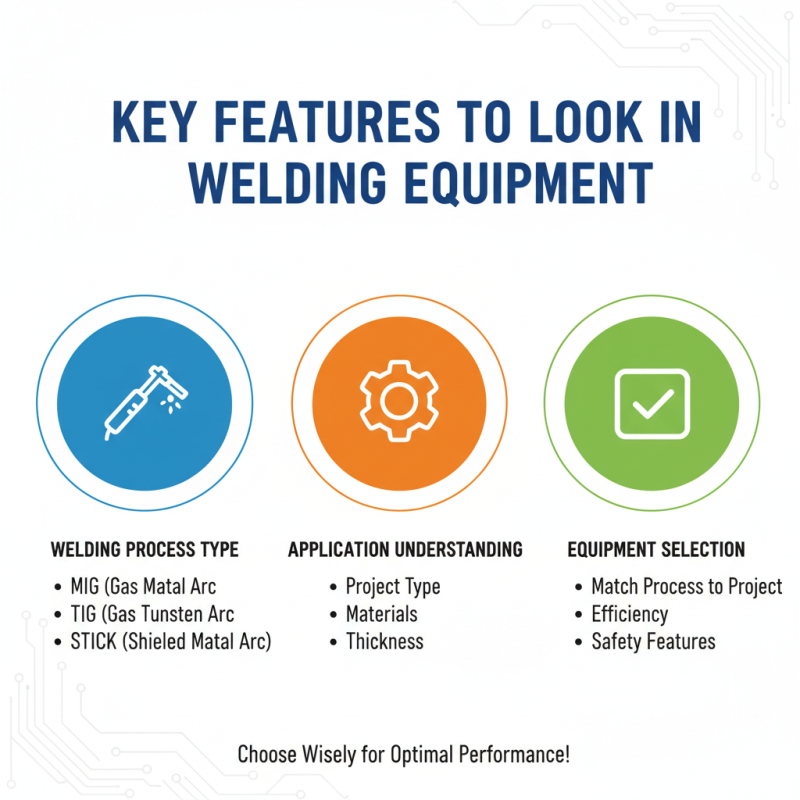
Key Features to Look for in Welding Equipment
When choosing traditional welding equipment, key features must not be overlooked. One crucial aspect is the type of welding process it supports. Different methods, such as MIG, TIG, or Stick welding, have unique applications. Ensure you understand the welding projects you’ll handle. This helps in selecting the right equipment.
Another vital feature is the welder’s output range. An adjustable output allows for flexibility when working with various materials. It can also help in managing heat, preventing material distortion. A machine with a higher duty cycle will enable longer usage periods, boosting productivity.
Don’t forget about safety features. Built-in technologies that protect against overheating can enhance reliability. Also, check the weight and portability of the equipment. Heavier machines may provide stability but can limit mobility. Reflect on your work environment. A balance between functionality and convenience can lead to better workflow and outcomes.
Digital Resources for Researching Welding Equipment Reviews
When researching welding equipment, using digital resources can be a game-changer. Online platforms provide a wealth of reviews and comparisons. Start by exploring forums where professionals discuss their experiences with various equipment. These conversations can reveal insights that you won’t find in formal reviews.
Another valuable tip is to check online video tutorials. Many welders share personal reviews and demonstrate equipment in action. This visual approach can help you understand how different tools perform under real conditions. It’s also beneficial to leave some space for doubt. Not every review will apply to your specific needs.
Consider using comparison websites. They often combine multiple user reviews, giving a more balanced view. However, remember that some users may have bias. Approach each review critically. Personal experiences can vary widely due to factors like skill level and project type. Mindfully weighing these details will enhance your selection process.
Top Digital Tips for Choosing Traditional Welding Equipment
| Type of Welding Equipment |
Key Features |
Suitability |
Price Range |
User Rating (out of 5) |
| MIG Welder |
Easy to use, Fast welding speed |
Thinner metals, DIY projects |
$200 - $800 |
4.5 |
| TIG Welder |
Precision welding, Versatile |
Thin, stainless, and exotic metals |
$300 - $1500 |
4.7 |
| Stick Welder |
Highly portable, Works in windy conditions |
Outdoor projects, Heavy metals |
$150 - $500 |
4.3 |
| Plasma Cutter |
Cuts metal quickly, Minimal distortion |
Metal fabrication, Maintenance |
$400 - $1200 |
4.6 |
| Multi-Process Welder |
Multiple welding processes, Flexible |
Various materials and thicknesses |
$500 - $2000 |
4.8 |
Budgeting and Cost Considerations for Traditional Welding Equipment
When considering traditional welding equipment, budgeting plays a crucial role. A recent industry report from the American Welding Society reveals that nearly 70% of small businesses face budget constraints when purchasing new equipment. This statistic highlights the need for careful planning and resource allocation.
Understanding the costs involved is essential. Welding machines can range from a few hundred to several thousand dollars. Additionally, consumables such as electrodes, wires, and gases add to the total expenditure. It's wise to account for maintenance costs, which can average 15% of the initial purchase price annually.
Moreover, improper budgeting can lead to subpar equipment choices, risking project quality. Investing too little may result in frequent breakdowns, while over-investing might hurt cash flow. Balancing these factors is critical. For example, opting for a mid-range welder could provide a compromise, ensuring reliability without overspending. An analysis of customer reviews can also shed light on long-term performance, aiding informed decisions.