10 Essential Tips for Choosing the Right Shipbuilding Welding Robot
In the competitive world of shipbuilding, efficiency and precision are paramount. A Shipbuilding Welding Robot can significantly enhance these factors. Choosing the right welding robot is not as straightforward as it seems. With numerous options available, it is essential to consider various aspects that impact performance.
Understanding the specific requirements of your shipbuilding projects is crucial. Each welding application may demand different capabilities and features. It's important to assess the size, complexity, and materials involved in your builds. Additionally, the integration of technology, such as programmable controls and artificial intelligence, can greatly affect operational efficiency.
However, many companies overlook the importance of maintenance and support when selecting a Shipbuilding Welding Robot. Without proper training and after-sales service, even the best robots can underperform. It's worthwhile to reflect on previous decisions regarding equipment choices. Ultimately, making an informed choice involves a careful evaluation of your unique needs and available resources.

Factors to Consider When Selecting Shipbuilding Welding Robots
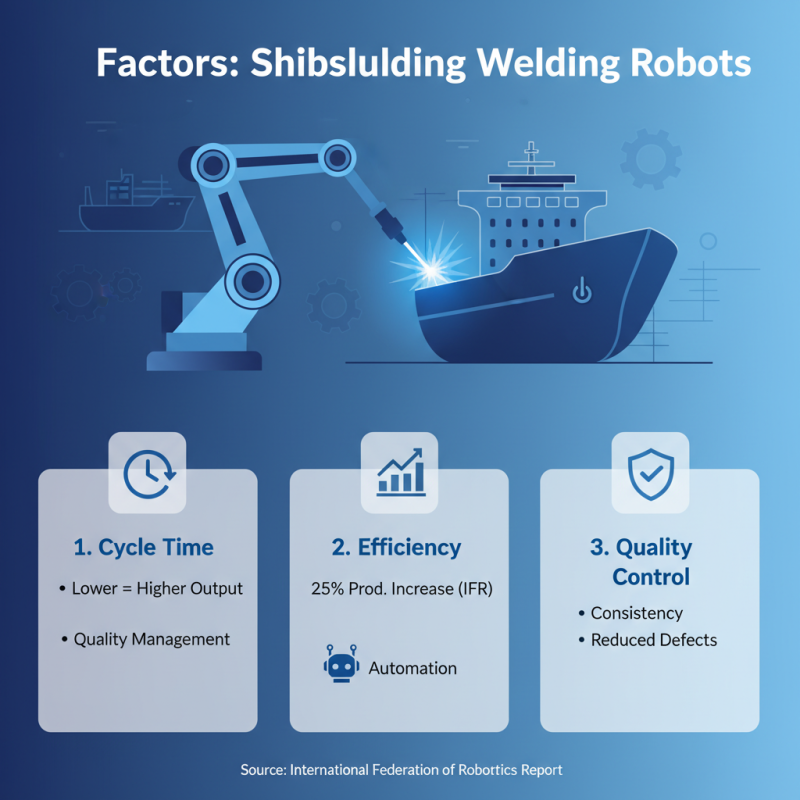
When selecting welding robots for shipbuilding, several factors come into play. Efficiency is critical. According to a report by the International Federation of Robotics, the shipbuilding industry could see a 25% increase in productivity with automation. Understanding cycle time is essential. Lower cycle times generally lead to higher output but can also affect quality if not managed properly.
Precision in welding is another key factor. Data from industry studies indicates that robotic applications can achieve welding tolerances within ±0.5 mm. Such precision helps reduce rework, thus saving resources and time. However, there’s a balance between speed and accuracy. Too much emphasis on fast production may compromise quality.
Cost considerations cannot be overlooked. While initial investments in robotic systems may be high, the long-term savings often justify the expense. A survey indicated that companies experience a 15% reduction in labor costs after implementing robotic solutions. Yet, unexpected maintenance costs can arise, demanding careful planning. Investing in training for staff also ensures optimal use of robotic technology. This multifaceted approach helps align automation with broader shipbuilding goals.
Types of Welding Processes for Shipbuilding Applications
When selecting a welding process for shipbuilding, multiple factors come into play. Common methods include MIG, TIG, and submerged arc welding. Each has its strengths and weaknesses. MIG welding is often faster and more versatile but may lack the penetration depth needed for thicker materials. TIG welding provides high precision but requires skilled operators, leading to higher labor costs.
Submerged arc welding presents its advantages in large ship sections. It offers deep weld penetration and is efficient for thick materials. Yet, it comes with its challenges. The process is less flexible for complex geometries. Operators must ensure cleanliness and preparation of the welding seam, or defects may occur.
Ultimately, it’s crucial to align the welding process with specific shipbuilding needs. Many companies struggle to find the right balance between speed and quality. The decision may depend on the ship's design requirements and the type of materials used. Investing time in assessing these processes is vital for long-term success.
Assessing the Technical Specifications of Welding Robots
When selecting a welding robot for shipbuilding, it's crucial to assess its technical specifications. Start by considering the robot's payload capacity. A robot must handle various welding tools and materials used in shipbuilding. Insufficient capacity can lead to inefficiencies and increased downtime.
Next, look at the degree of freedom. Robots with more articulated joints offer greater flexibility for complex welding tasks. This flexibility helps in reaching tight spots or awkward angles that are common in ship construction. Additionally, examine the motion range of the robot. A wider range allows for better maneuverability.
It’s also worthwhile to investigate the accuracy and repeatability of the robot. High precision is vital for ensuring quality welds, which can affect structural integrity. Robots with high accuracy reduce the risk of defects, saving time and costs.
Finally, consider the software capabilities. A user-friendly interface and advanced programming features can significantly enhance productivity. Working with sophisticated software can sometimes be daunting, and training is essential. A balance of advanced technology and user support is key to successful integration.
Evaluating the Cost-Effectiveness of Different Welding Robot Models
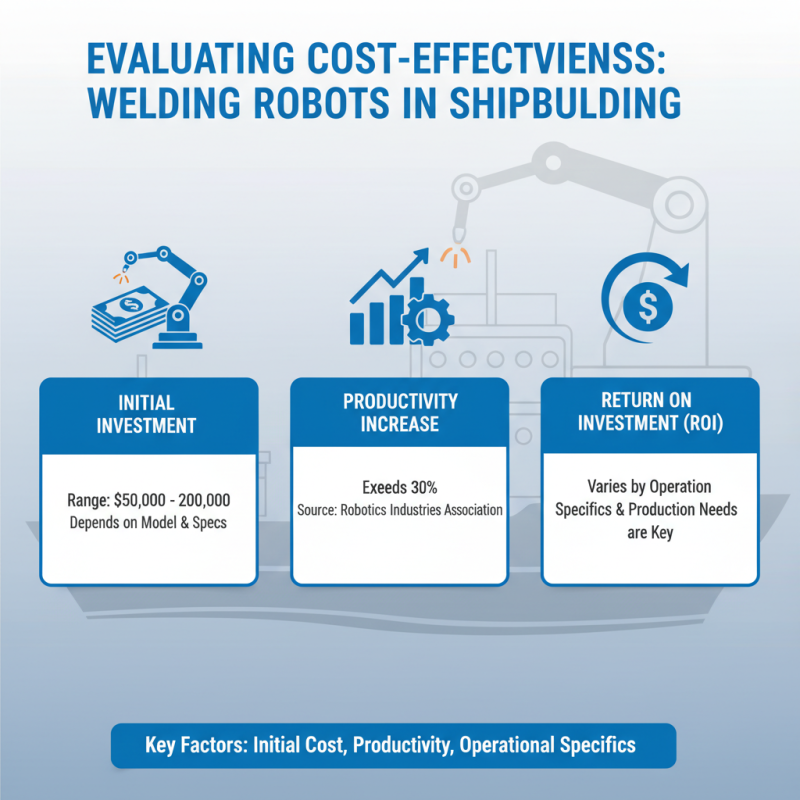
When evaluating the cost-effectiveness of welding robots in shipbuilding, several key factors must be considered. The initial investment in a welding robot can range from $50,000 to $200,000, depending on the model and specifications. According to the Robotics Industries Association, overall productivity increases can exceed 30% after implementation. However, the return on this investment often hinges on the specifics of each operation and its production needs.
Maintenance costs are another crucial factor. On average, maintenance accounts for about 10-20% of operational costs. Regular maintenance is essential to prevent breakdowns, which can lead to costly downtime. Data from industry reports suggest that well-maintained robots can operate for over 20,000 hours, significantly offsetting initial costs. Yet, the variability in model reliability can complicate the decision-making process.
Training for staff presents another consideration. A skilled workforce is vital for maximizing the capabilities of welding robots. The average training cost can be up to $2,000 per employee. This expense should be factored into the overall budget. Ultimately, analyzing these costs against potential savings in labor and production efficiency is essential for determining the true value of a welding robot investment in shipbuilding.
Importance of After-Sales Support and Training for Welding Robots
When choosing a shipbuilding welding robot, the importance of after-sales support and training cannot be overstated. Proper training ensures that operators are skilled in using the equipment efficiently. It also minimizes the risk of errors that could lead to costly downtime. After all, even the best robots need proper handling to perform optimally.
One essential tip is to verify the training options available with the robot. Look for comprehensive programs that cover everything from basic operation to advanced troubleshooting. Offering hands-on experience can greatly enhance the learning process. Frequent training updates will also keep operators informed on the latest features and capabilities. This support is crucial for maintaining consistent quality in welding tasks.
Another key consideration is the quality of after-sales service. A responsive support team can address technical issues swiftly, reducing downtime. Regular maintenance checks and easy access to spare parts contribute to the robot's longevity. It’s important to reflect on whether the provided support meets your specific needs. Evaluate user feedback about the company's service quality. This way, you can make a more informed decision about your investment.
Comparison of Key Factors for Selecting Welding Robots