10 Essential Tips for Choosing Welding and Cutting Machinery
When selecting Welding and Cutting Machinery, the choices can be overwhelming. Numerous brands and models flood the market, each boasting unique features. It's crucial to approach the decision with a clear strategy. This involves considering your specific needs and comparing machinery based on efficiency, cost, and reliability.
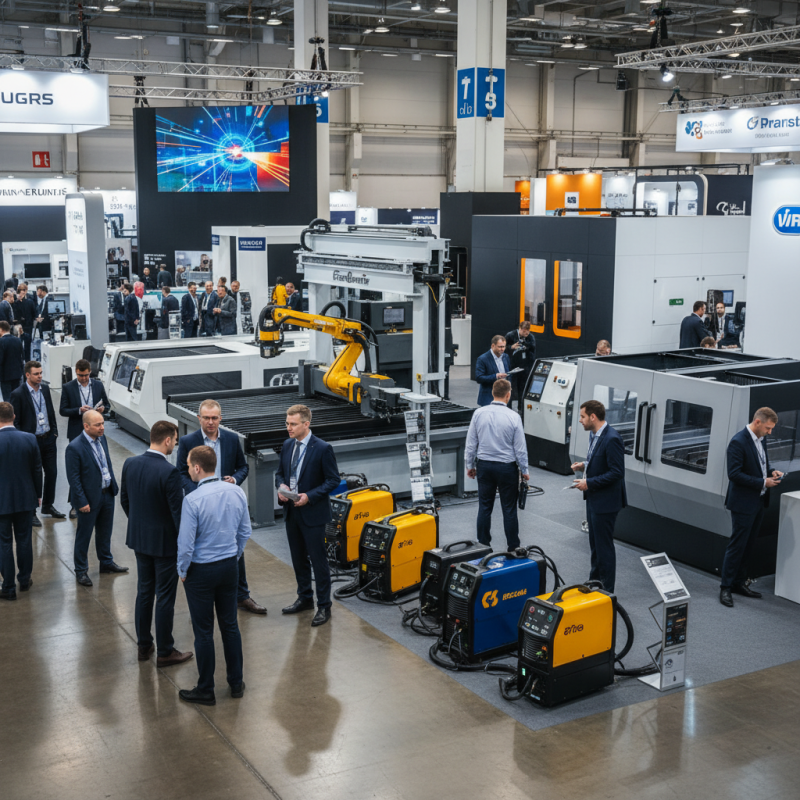
Many buyers underestimate the importance of quality certifications like ISO or CE. These certifications ensure the machinery meets safety and performance standards. Attending trade shows, such as the 139th Canton Fair in 2026, can be invaluable. It allows direct interaction with suppliers and first-hand assessment of equipment.
However, even at such events, mistakes can occur. Some may overlook essential features or get swayed by attractive prices. Reflecting on these experiences helps in making more informed decisions in the future. Remember, investing time in research can save costs and enhance your operations in the long run.
Understanding Different Types of Welding and Cutting Machinery
When choosing welding and cutting machinery, it's crucial to understand the various types available. MIG welding machines are common for their ease of use. They are great for beginners and can handle thin materials efficiently. TIG welding offers precision. It allows for clean, high-quality welds on stainless steel and other metals. Each method has its unique applications and limitations.
Plasma cutting tools are ideal for cutting through thick metal quickly. They deliver speed and precision. However, they may require more skill to operate effectively. Oxy-fuel cutting tools, while traditional, are also valuable. They work well for thicker materials but can be slower than plasma cutters. Every type of machinery has its strengths, but the choice depends on your specific needs.
Consider the projects you will undertake. If speed is vital, plasma or MIG machines may suit you best. For detailed, artistic work, TIG machines shine. Keep in mind the learning curve associated with each option. Selecting the right welding or cutting machinery may require trial and error. A wrong choice can lead to wasted materials and time, prompting a need for reflection on your needs and capabilities. Make sure you assess not just your current projects but also future requirements.
Identifying Key Features to Look for in Equipment Selection
When selecting welding and cutting machinery, it's crucial to pay attention to key features. Consider the power source. Options include MIG, TIG, and stick welding machines. Each has its strengths and weaknesses. According to industry reports, around 45% of professionals prefer MIG for its ease of use. However, while it suits many applications, it may not be ideal for thin materials.
Another vital aspect is automation capability. Some equipment offers advanced features like programmable settings and remote control. Research from the Fabricators & Manufacturers Association indicates that automated machines can increase productivity by up to 30%. Yet, relying solely on automation can lead to a skills gap, as workers may become less proficient in manual techniques over time.
Lastly, don’t overlook safety features. Look for machines equipped with automatic shut-off mechanisms and proper ventilation systems. A safety study revealed that 75% of workplace accidents in welding can be attributed to inadequate safety protocols. Therefore, investing in safety-optimized machinery is non-negotiable. Balancing efficiency and safety can be challenging, requiring ongoing evaluation.
Evaluating Your Project's Specific Requirements and Materials
Choosing the right welding and cutting machinery starts with understanding the specific requirements of your project. Different materials demand different approaches. For instance, steel and aluminum require distinct welding methods. A report from the American Welding Society highlights that nearly 60% of failed welds are due to improper machine selection. The cost of these mistakes can be significant, both financially and in terms of safety.
Evaluate the materials you’ll be working with. Each type has unique characteristics that impact the welding process. For example, stainless steel is more challenging to weld than mild steel. A research study indicates that incorrect machinery can lead to a 30% increase in project time. This not only affects deadlines but may also lead to a need for rework.
Keep in mind the complexity of your projects. If you’re dealing with thicker materials, a more powerful cutter may be necessary. Conversely, lighter materials could benefit from more precise equipment. Take the time to assess your needs and do not rush into a decision. A thoughtful evaluation can save you time and resources in the long run, making it crucial to reflect on each choice you make.
Considering Safety Standards and Certifications in Machinery
When selecting welding and cutting machinery, safety standards and certifications should be a top priority. In the United States, OSHA (Occupational Safety and Health Administration) outlines clear safety guidelines. They indicate that unregulated machinery can lead to serious workplace injuries. Shockingly, over 5,000 workers die annually from job-related accidents. This underscores the need for certified equipment.
Many companies overlook certifications. This can be a costly mistake. A report from the National Institute for Occupational Safety and Health shows that over 50% of welding injuries are preventable with the right tools. Verify that your machinery meets recognized standards, such as ANSI or ISO certifications. This ensures not only compliance but also quality and safety in operation.
A sturdy machine may seem safe, but hidden issues often arise. Regular audits of equipment can identify potential hazards. For instance, operators often misuse machinery due to lack of training. Inadequate training can increase the risk of accidents by 30%. Choosing equipment that offers comprehensive training resources is crucial. Focusing on safety now can save lives and prevent future crises.