10 Essential Tips for Teaching Welding Robots Effectively?
Teaching Welding Robots can be a rewarding yet challenging task. As automation advances, understanding how to effectively teach these machines is crucial. A well-taught welding robot can enhance productivity and ensure top-quality welds.
To begin with, it is essential to grasp the underlying principles of welding processes. Students must understand the types of welding techniques used in various applications. This knowledge allows them to program the robots accurately. Without a solid foundation, the results can be disappointing.
Moreover, hands-on practice is vital. Theoretical knowledge alone is insufficient. Trial and error may lead to unexpected results, revealing gaps in understanding. Encouraging students to learn from their mistakes fosters growth. Engaging with the technology in real-time will boost their confidence in managing welding robots effectively. Through this journey, the goal is to create proficient operatives who can adapt to evolving welding needs.
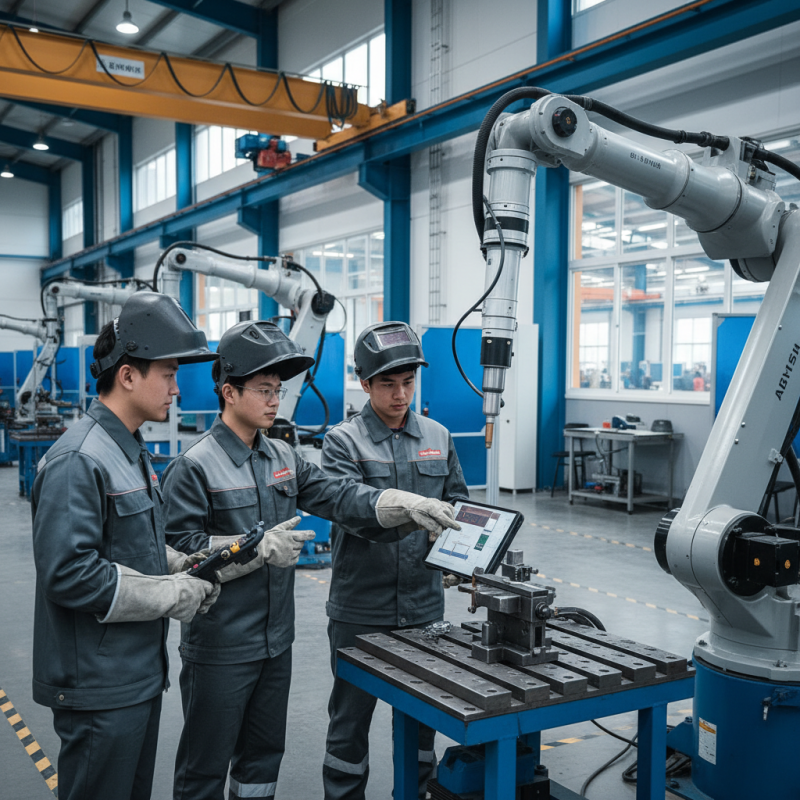
Understanding the Basics of Welding Robots: Technology and Applications
Welding robots are revolutionizing the manufacturing landscape. According to the International Federation of Robotics, the use of industrial robots increased by 27% from 2020 to 2021. This surge highlights the importance of understanding welding robots' technology and applications.
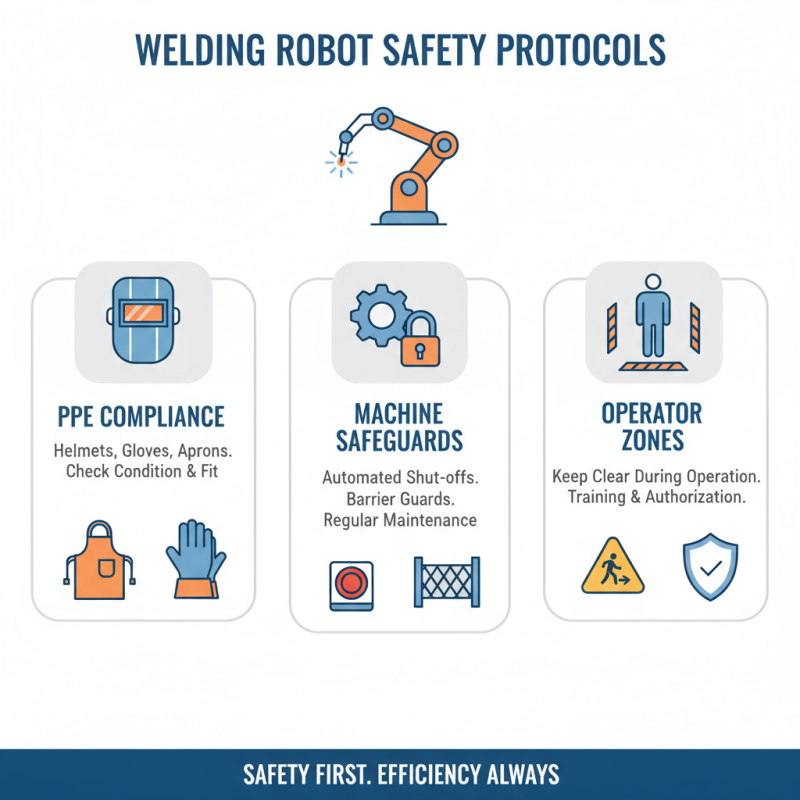
When teaching welding robots, grasping the basics is crucial. Start with understanding arc welding and laser welding technologies. Each method has its strengths. For instance, laser welding is ideal for precision tasks, while arc welding is better for thicker materials. Familiarize students with safety protocols, as this is essential in any hands-on training program.
Tip: Use simulations to bridge theory and practice. They offer an interactive way to understand complex processes. Many students benefit from visual learning. Another crucial point is maintaining equipment. Regular checks can prevent malfunctions. It’s common for learners to overlook this, leading to downtime.
Understanding the applications of welding robots in automotive, aerospace, and construction industries is vital. It's essential to know where these technologies fit in real-world scenarios. The job market for skilled technicians is growing rapidly. However, many programs struggle to keep up with this demand. This gap highlights the importance of effective teaching strategies.
Key Metrics for Assessing Welding Robot Performance and Efficiency
Welding robots are becoming critical in manufacturing. Assessing their performance and efficiency requires specific metrics. One effective metric is cycle time, which indicates how quickly a robot completes a welding task. A survey by the International Federation of Robotics (IFR) found that optimizing cycle time can increase overall productivity by up to 30%. Furthermore, monitoring the robot's downtime reveals potential issues. Unplanned downtimes usually account for about 25% of total operational hours, affecting productivity.
Another significant metric is the quality of the welds produced. Consistency is key in welding; even minor variations can lead to significant failures. Studies show that robots can maintain a weld quality within ±0.5 mm of the desired specification. However, variations in input materials can lead to unexpected quality issues, necessitating continuous monitoring. Process tolerances should be defined clearly to minimize these discrepancies.
Moreover, the efficiency of energy usage is often overlooked. Energy consumption should be tracked during operation. Research indicates that welding robots can consume up to 40% less energy than manual welding processes. However, underutilization or improper programming may reduce these savings. Regular assessments of energy metrics can highlight areas for improvement, ensuring optimal robot performance and effective teaching practices.
10 Essential Tips for Teaching Welding Robots Effectively
| Metric |
Description |
Ideal Value |
Achieved Value |
| Welding Speed |
Speed at which the robot completes a welding task. |
30 cm/min |
28 cm/min |
| Energy Consumption |
Amount of energy used by the robot during welding. |
5 kWh |
4.8 kWh |
| Defect Rate |
Percentage of welds that have defects. |
1% |
0.8% |
| Setup Time |
Time taken to set up the robot for a welding task. |
15 min |
10 min |
| Cycle Time |
Total time taken for one complete welding cycle. |
60 sec |
55 sec |
Effective Training Methods for Operators: Skills and Knowledge Assessment
Training operators to work with welding robots requires a structured approach. Effective methods focus on skills and knowledge assessments. Start by evaluating the operators' current understanding of robotic systems. Create a baseline to identify areas needing improvement. Use hands-on practice to reinforce learning. Practical experience boosts confidence and enhances skill retention.
Incorporate interactive assessments. Quizzes or practical tests measure the operator's grasp of concepts. Tailor sessions to address common gaps in knowledge. Some operators may struggle with programming or safety standards. Open discussions can reveal these weaknesses. Share real-life scenarios to spark critical thinking. Encourage operators to ask questions.
Reflection is key. After training, gather feedback from the participants. What worked? What didn’t? This helps refine future sessions. Continuous improvement is essential. Operators must feel supported as they develop their skills. A collaborative atmosphere fosters growth, even in challenging situations.
Effectiveness of Training Methods for Welding Robot Operators
This chart displays the effectiveness of various training methods utilized for welding robot operators, measured on a scale from 1 to 10, where 10 indicates the highest effectiveness.
Integrating Advanced Technologies: AI and Machine Learning in Welding Robotics
The integration of AI and machine learning in welding robotics is a game changer.
According to a recent report, 70% of manufacturers now see these technologies as crucial for competitiveness.
AI systems can optimize welding parameters in real-time, enhancing both accuracy and speed.
Robots equipped with machine learning can analyze previous welding jobs to improve their techniques.
This results in less waste and lower costs.
However, not every implementation has been flawless. Some welding robots struggle to adapt to new tasks without extensive retraining, which creates
downtime and affects productivity. Data from industry surveys indicate that 30%
of companies face challenges when integrating these technologies. Workers must also adapt to new tools, which can be intimidating.
It’s vital to provide training and support to overcome this hurdle.
The future looks promising but requires careful planning. Continuous updates and monitoring are necessary to ensure
these robots perform optimally. Feedback from operators can help refine AI algorithms. Encouraging collaboration
between human workers and AI systems can lead to innovative solutions.
Addressing these issues proactively is essential for a successful transition into advanced welding robotics.