What is a Laser Cutting Robot and How Does It Work?
In an era where precision and efficiency are paramount, a Laser Cutting Robot stands out as a game changer in manufacturing. Experts like Dr. Emily Chen, a renowned authority in robotics, emphasizes, “Laser cutting technology is revolutionizing the way we think about material processing.” The integration of robotics with laser cutting has opened new horizons for industries, crafting custom designs with unparalleled accuracy.
This technology enables rapid cuts in metal, plastic, and other materials while minimizing waste. As manufacturers adopt Laser Cutting Robots, the need for human oversight diminishes, yet quality assurance remains critical. Despite these advancements, challenges persist. Operators must still manage and maintain the intricate systems that require regular calibration.
Moreover, while Laser Cutting Robots improve efficiency, they also raise concerns about job displacement in certain sectors. Balancing automation and workforce needs remains a necessary discussion. The potential of Laser Cutting Robots is vast, yet it invites ongoing reflection on its implications in today’s labor landscape.
What is a Laser Cutting Robot? An Overview of Its Definition
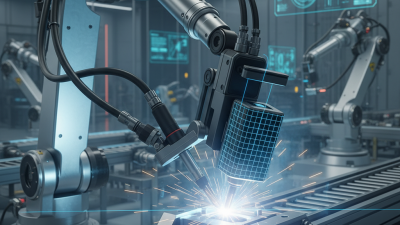
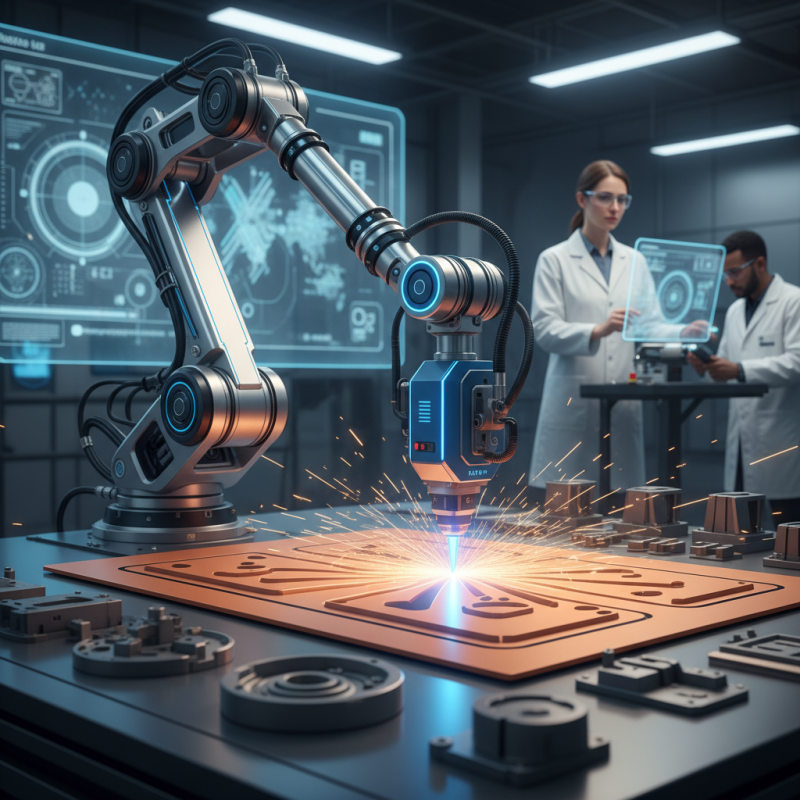
A laser cutting robot is a sophisticated machine that uses focused laser beams to cut through various materials. These robots can work with metals, plastics, and fabrics, providing high precision and clean edges. The laser beam is generated by a powerful light source and is directed through a lens to focus it on the material. This intense energy melts or vaporizes the material, creating intricate designs with minimal waste.
The operation of a laser cutting robot involves a combination of technology and automation. These robots are equipped with advanced software that translates digital designs into cutting paths. As the robot moves, it maintains a steady pace and distance from the material, ensuring consistent cuts. The setup requires careful calibration, as even slight errors can lead to unsatisfactory output. There’s always the challenge of learning the best settings for different materials.
While the technology is impressive, it is not infallible. The robot may face issues like misalignment or overheating. Each material reacts differently, so experimentation is crucial. Operators must constantly evaluate their processes. The potential for errors forces us to refine our skills continuously. It’s a balance between precision engineering and creative problem-solving, where every mistake can lead to new insights.
Key Components of a Laser Cutting Robot: Laser Source, Optics, and Control
A laser cutting robot comprises crucial components that ensure precision and versatility. The laser source is the heart of the system. Typically, CO2 lasers or fiber lasers are utilized. CO2 lasers are ideal for cutting non-metal materials. They can reach power levels of up to 500 watts. Fiber lasers, on the other hand, are effective for metals. They can deliver up to 2,000 watts of power.
Optics play a vital role in directing the beam. High-quality lenses focus the laser onto the material. The focus point can be adjusted to vary the cutting thickness. Research indicates that precise optics can enhance cutting quality by up to 30%. Control systems integrate sensors and software for accuracy. These systems monitor speed and adjust parameters dynamically. A study revealed that automation can reduce production costs by 20%.
However, there are challenges. The initial costs of the components can be high. Not all materials respond equally to laser cutting. Some may require extensive testing to optimize settings. This is where refinement is necessary. Continuous improvement is essential for companies. Investing time and resources in the right components leads to better outcomes. The trade-offs between cost and efficiency will always be present.
What is a Laser Cutting Robot and How Does It Work?
| Component |
Description |
Function |
Example Applications |
| Laser Source |
The source that generates the laser beam, commonly using CO2 or fiber laser technology. |
Produces a highly concentrated beam of light for cutting materials. |
Metal fabrication, industrial cutting. |
| Optics |
Components that focus and direct the laser beam onto the material. |
Concentrates the laser beam for precision cutting. |
Aerospace components, intricate designs. |
| Control System |
A digital system that controls the movement of the laser and the cutting process. |
Allows for precise control of cutting paths and speeds. |
Automated manufacturing, prototyping. |
| Mechanical Structure |
The body of the robot that houses the laser and other components. |
Supports the movement and operation of the laser cutting system. |
Heavy-duty cutting applications. |
How Laser Cutting Robots Operate: Step-by-Step Workflow Explained
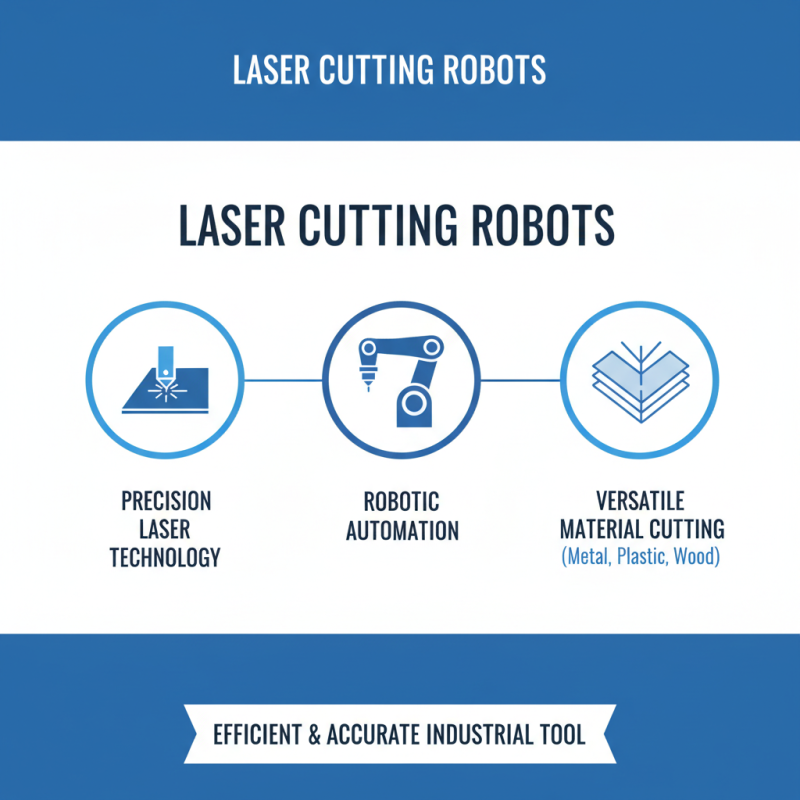
Laser cutting robots are fascinating tools used in various industries. They combine precision laser technology with robotic automation. Their ability to cut through various materials, such as metal, plastic, or wood, is remarkably efficient.
The operation of a laser cutting robot follows a unique workflow. Initially, a computer-aided design (CAD) file is prepared. This file details the cut patterns required. The laser cutter then aligns itself with the material, often using cameras or sensors. The machine activates the laser, which focuses intense light onto the surface, creating a powerful cutting beam. This process is fast and allows for intricate designs. However, achieving perfect cuts often requires fine-tuning settings like speed and laser intensity.
During operation, several challenges may arise. Material thickness variations can disrupt the cutting accuracy. Also, smoke and debris may hinder visibility, affecting performance. Operators must constantly monitor and adjust parameters. Regular maintenance is key to minimize downtime. Although laser cutting robots enhance productivity, it's vital to stay aware of their limitations and the potential need for human intervention.
Applications of Laser Cutting Robots in Various Industries: An In-Depth Look
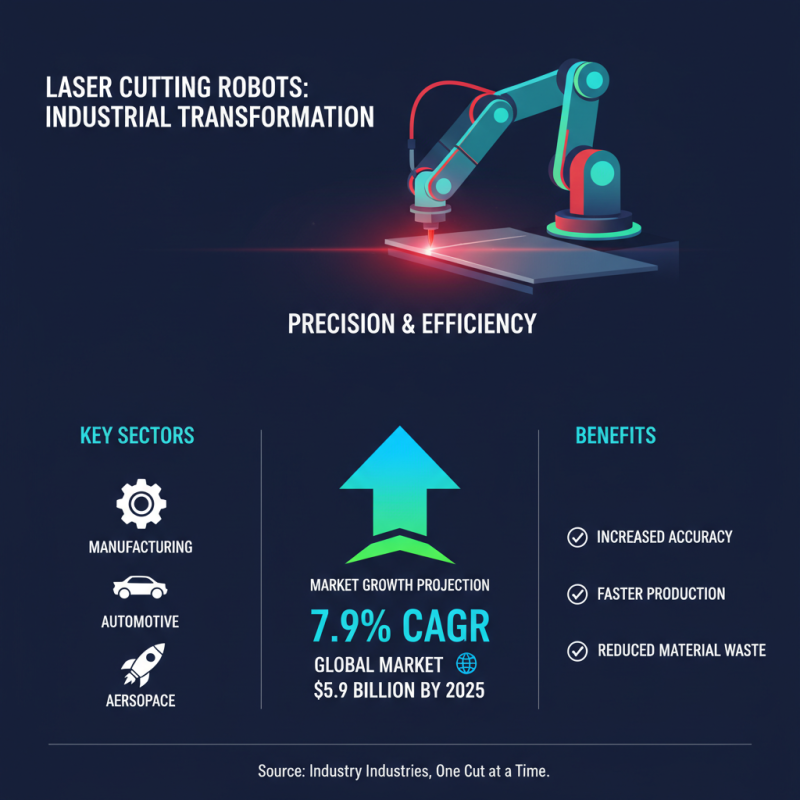
Laser cutting robots are transforming industries. They deliver precision and efficiency. This technology finds applications in manufacturing, automotive, and aerospace sectors. According to a recent industry report, the global laser cutting market is projected to grow at a compound annual growth rate (CAGR) of 7.9%, reaching $5.9 billion by 2025.
In manufacturing, these robots streamline processes. They can cut various materials, including metal, plastic, and wood. The automation reduces labor costs and increases productivity. A study noted a 30% reduction in operational costs with the integration of laser cutting technology. However, the high initial investment may discourage some businesses.
In the automotive sector, laser cutting enhances vehicle design. It allows for complex shapes and reduces material waste. Reports indicate that automotive manufacturers using laser cutting see a 25% increase in output quality. Yet, there are challenges, like the need for skilled technicians. Proper training is critical for maximizing efficiency. These factors remind us that while technology offers promise, careful planning is essential.
Advantages of Using Laser Cutting Robots: Precision, Efficiency, and Cost Savings
Laser cutting robots have gained popularity in various industries. They offer significant advantages over traditional cutting methods. One major benefit is precision. These robots can cut materials with great accuracy. This reduces waste and improves product quality. For example, intricate designs can be executed flawlessly.
Efficiency is another strong point. Laser cutting robots operate faster than manual methods. This leads to shorter production times. Companies can respond more quickly to market demands. Additionally, fewer mistakes occur in automated processes. It may take time to set up, but once operational, the benefits shine through.
Cost savings come from decreased material waste and labor costs. Investing in laser cutting technology can seem daunting. Yet, the long-term savings often outweigh initial expenses. Tips for those considering this technology include assessing your production needs. Evaluate the types of materials you work with. Look for training opportunities to maximize the technology's benefits. Be prepared for challenges, as integrating new systems can be complex. It's essential to keep refining your approach as you learn more.
Advantages of Using Laser Cutting Robots
This chart illustrates the key advantages of using laser cutting robots, showcasing their effectiveness in terms of precision, efficiency, and cost savings as represented by the percentage values. Laser cutting technology is known for achieving high accuracy in cuts, reducing production time, and ultimately lowering costs for manufacturing processes.