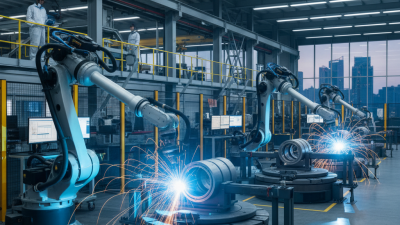
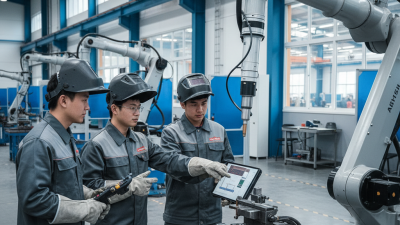
Why is Machine Vision Welding Revolutionizing Manufacturing?
The manufacturing landscape is evolving rapidly. Machine Vision Welding is at the forefront of this change. Experts believe it redefines efficiency and precision. John Smith, a leading expert in robotics, states, “Machine Vision Welding transforms the way we approach quality control.”
In this technology, high-resolution cameras guide welding equipment. They ensure perfect alignment and minimize errors. This innovation allows manufacturers to save time and resources. However, integration can be challenging. Existing systems may not adapt easily. Moreover, training staff on new technologies requires a significant investment.
Despite these challenges, the potential benefits are immense. Machine Vision Welding could reduce operational costs significantly. It promises higher product quality and consistency. Embracing this technology might be daunting, but the rewards could reshape the industry. Ultimately, the question remains: Is your business ready to embrace Machine Vision Welding?
Overview of Machine Vision Welding Technology
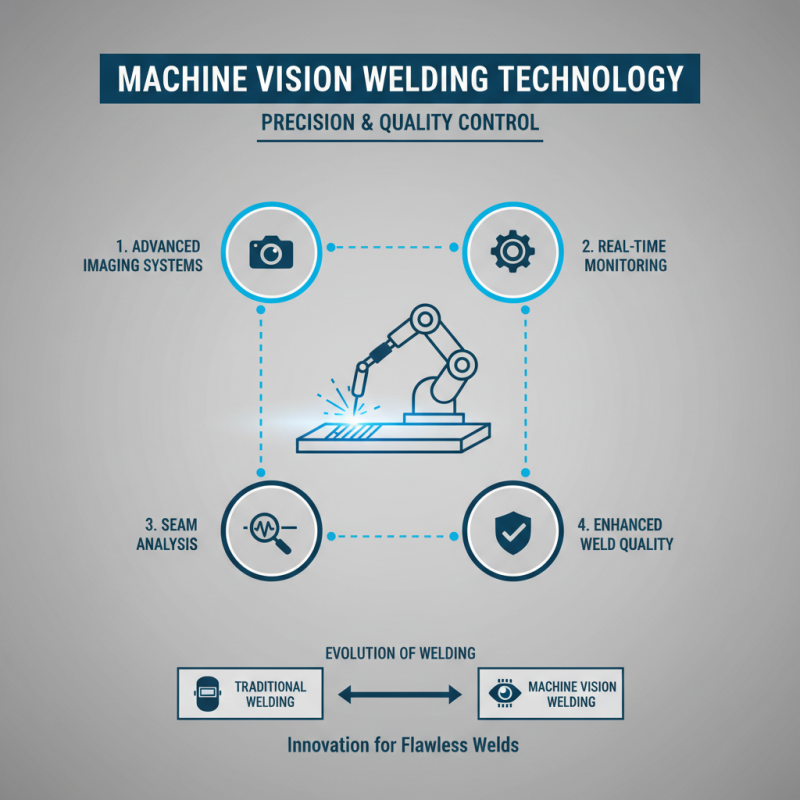
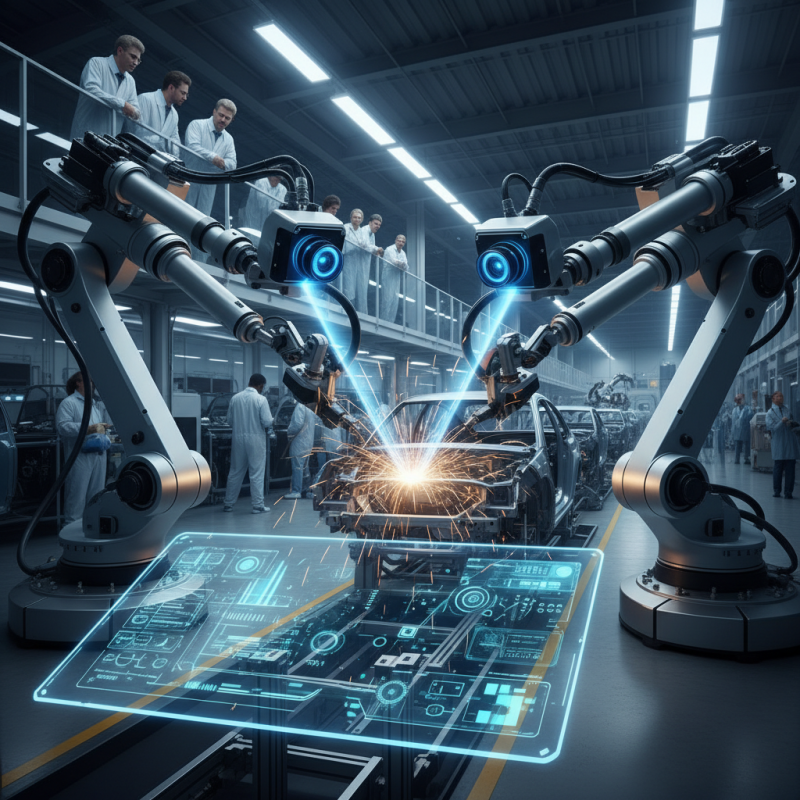
Machine vision welding technology combines advanced imaging systems with welding processes. This innovation offers precise control over weld quality. It uses cameras to monitor conditions in real time, ensuring accuracy. The system analyzes the weld seam and surrounding area.
Tips: Keep your workspace clean. Avoid distractions that can affect performance.
One key feature is the ability to identify defects. If a weld fails, the system alerts operators immediately. This minimizes waste and reduces costs. It also improves overall production efficiency.
However, machine vision systems require proper calibration. Each setup may need adjustments based on the specific materials used. Operators must be trained adequately.
Tips: Regularly review your calibration settings. Test your equipment before production runs.
Key Components of Machine Vision in Welding Processes
Machine vision is changing the welding landscape. It enhances quality and efficiency in manufacturing. A report by MarketsandMarkets states that the machine vision market is projected to reach $20 billion by 2026. This growth is driven by better accuracy and reduced defects.
Key components of machine vision in welding include high-resolution cameras, advanced lighting, and robust software algorithms. High-resolution cameras capture detailed images of welds. This detail is crucial for quality inspections. Advanced lighting plays a significant role in enhancing visibility. Proper lighting helps identify defects that might go unnoticed otherwise.
Software algorithms analyze images quickly. They detect issues like misalignment or insufficient penetration. Real-time feedback allows operators to adjust welding parameters instantly. However, issues can arise. Cameras may struggle in extreme conditions or with reflective surfaces. Understanding these limitations is vital for optimization. Machine vision in welding is not perfect but offers vast potential for manufacturing.
Benefits of Implementing Machine Vision in Manufacturing
Machine vision welding is transforming the manufacturing landscape. Incorporating machine vision systems brings many benefits. According to a recent report by MarketsandMarkets, the machine vision market is projected to reach $18.1 billion by 2025, reflecting rapid adoption.
One key advantage of machine vision is enhanced accuracy. These systems can detect even the smallest defects in welds. Studies show that error rates can decrease by up to 30% through automated inspections. This precision ensures higher quality products, reducing waste and rework. Manufacturers can improve production timelines and save on costs.
However, challenges remain. Implementing machine vision requires upfront investment. Some companies struggle with integration into existing processes. Training staff to operate and maintain these systems is also crucial. Despite these hurdles, the long-term benefits often outweigh the initial obstacles. As technology continues to evolve, companies must adapt to remain competitive in the manufacturing sector.
Impact on Quality Control and Precision in Welding
Machine vision welding stands at the forefront of modern manufacturing. With its ability to enhance quality control and precision, this technology is changing how we think about welding processes. According to recent industry reports, manufacturers using machine vision experience a 30% reduction in defects. This improvement directly impacts the bottom line and boosts customer satisfaction.
The precision offered by machine vision systems ensures that welds are consistently accurate. These systems analyze real-time data, catching errors before they become costly problems. For instance, a study from the Industrial Manufacturing Institute indicates that precision welding can increase production efficiency by 20%. Moreover, it allows for tighter tolerances, which are critical in high-stakes industries such as aerospace and automotive.
Tips: Embrace the data. Real-time analysis can significantly improve accuracy. Consider investing time in training staff. Understanding machine vision can maximize its benefits. Reflect on your current welding processes. Are errors costing you? Identifying and addressing these weak points is essential for progress.
Future Trends in Machine Vision Welding Applications
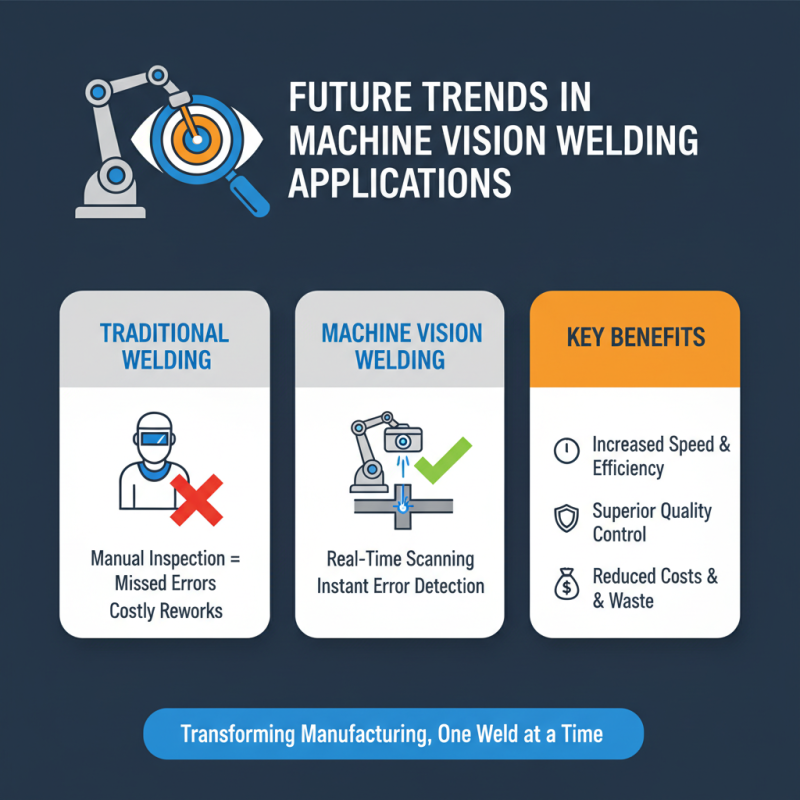
Machine vision welding is changing the way we think about manufacturing. It's not just about speed or efficiency. The technology scans and analyzes the welding process in real time. This ability helps catch mistakes before they become costly problems. Without this technology, minor errors can go unnoticed, leading to severe quality issues. Many manufacturers are still adjusting to these advancements.
Future trends in machine vision welding look even more exciting. As artificial intelligence improves, these systems will learn from each welding task. They could adapt to different materials and techniques. This flexibility can reduce waste and increase productivity. However, there's a catch. Relying too much on automation may lead to skill gaps in the workforce. Some workers may feel threatened by these advancements. It's vital to find a balance between technology and human skill.
Another trend is the integration of machine vision with other technologies. For example, combining it with robotics will enhance precision. Yet, this approach can complicate setups and maintenance. Not every factory will find this easy to implement. There’s still a long way to go in achieving seamless integration. The future of machine vision welding holds promise, but challenges remain. These problems need addressing to fully harness the potential of this technology.