How to Teach a Welding Robot for Effective Automation Solutions?
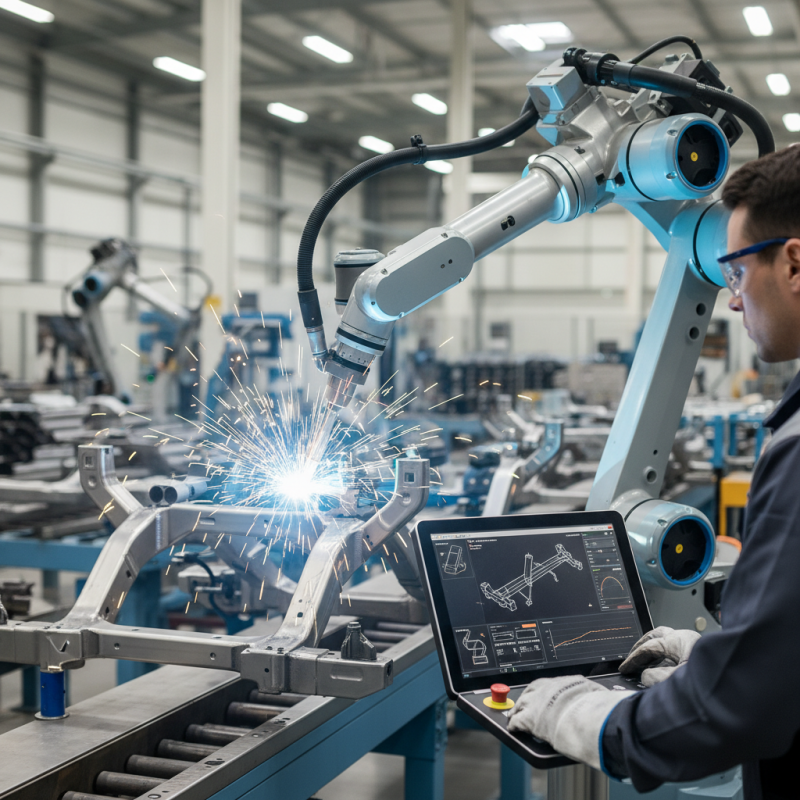
Teaching Welding Robot is a critical aspect of modern manufacturing. Automation has transformed the industry, yet effective teaching methods remain a challenge. Many companies struggle to maximize the potential of these machines.
For successful automation, understanding the robot's capabilities is essential. Each welding task varies in complexity, requiring tailored teaching approaches. Mistakes in this process can lead to inefficiencies and subpar results. It's vital to reflect on these pitfalls and learn from them.
Hands-on experience is crucial. Operators should engage directly with the robot, fine-tuning parameters for optimal performance. Unforeseen setbacks often arise, highlighting the importance of adaptability. A teaching strategy must evolve alongside technological advancements to ensure continued success in the welding realm.
Introduction to Welding Robot Automation in Industrial Settings
Welding robots have transformed industrial settings, providing efficiency and precision. They can perform repetitive tasks with minimal error. This automation reduces the physical strain on workers and enhances safety. However, teaching these robots effectively remains a challenge. It requires a structured approach to programming and iterative learning.
Effective automation solutions start with understanding the welding process. Each weld type demands specific parameters. By inputting these into the robot’s software, one can optimize performance. Yet, monitoring the robot's output is crucial. Sometimes, it may miss details, leading to imperfections. Continuous assessment helps in making necessary adjustments.
Collaboration between engineers and operators is vital. Sharing insights can improve robot training significantly. Real-life scenarios often present unpredictable variables. These can disrupt automated processes; thus, flexibility is key. The learning curve can be steep, and adjustments are often needed. This ongoing refinement ensures that robots remain reliable assets in welding operations.
How to Teach a Welding Robot for Effective Automation Solutions?
| Aspect |
Description |
Benefits |
Challenges |
| Programming |
Utilizing software to teach the robot welding tasks. |
Increased precision and reduced human error. |
Requires skilled operators for programming. |
| Simulation |
Testing robot operations in a virtual environment. |
Identifies potential issues before real-world application. |
Simulations may not always translate perfectly to reality. |
| Integration |
Connecting the robot with other automation systems. |
Streamlined operations and reduced cycle times. |
Complexity in system compatibility. |
| Maintenance |
Regular checks and updates on robot systems. |
Ensures longevity and functionality of the robot. |
Requires time and resources for upkeep. |
| Training |
Educating staff on operating and programming robots. |
Empowers employees and enhances productivity. |
Time-consuming to train new personnel. |
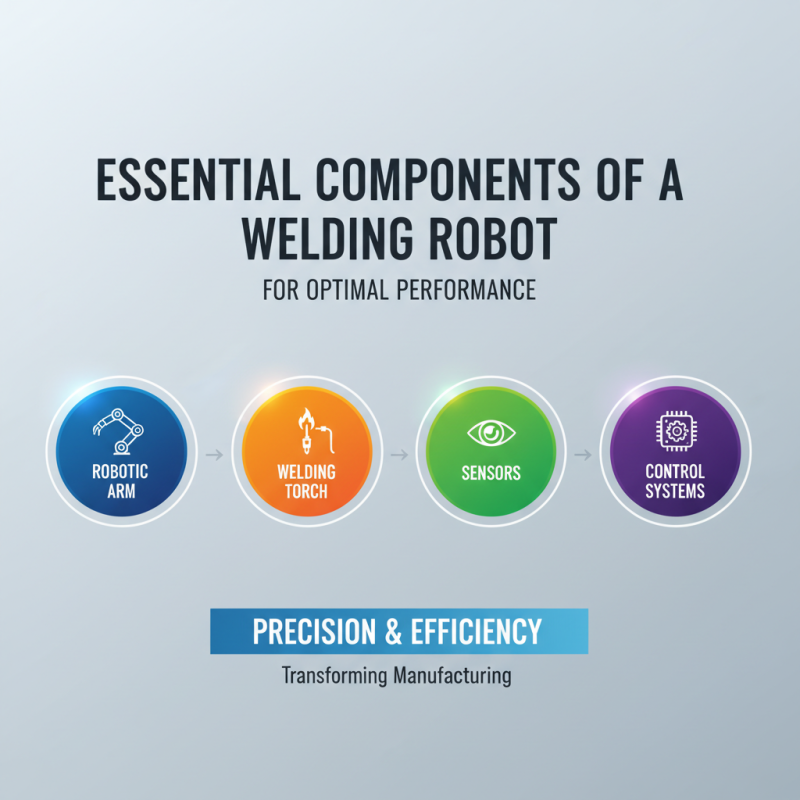
Essential Components of a Welding Robot for Optimal Performance
Welding robots are transforming the manufacturing landscape. To achieve optimal performance, understanding their essential components is crucial. Key elements include the robotic arm, welding torch, sensors, and control systems. Each plays a unique role in ensuring precision and efficiency.
The robotic arm should have high flexibility. This allows it to maneuver in various angles. Its reach must cover the entire workpiece effectively. The welding torch requires a stable feed of welding material, ensuring the welds are strong and uniform. Sensors are vital for real-time feedback. They monitor the weld quality, which reduces defects and rework.
Control systems guide the robot's actions. They translate design parameters into executable tasks. However, programming these systems can be a challenge. Errors in code can lead to inconsistent welds. As technology evolves, staying updated on software enhancements is necessary. Regular adjustments may be needed to optimize performance. Balancing these components is key to successful automation solutions.
Methods for Teaching Welding Robots: Programming Techniques and Algorithms
Teaching welding robots involves specific programming techniques and algorithms. Understanding these methods can significantly enhance automation solutions.
One effective programming technique is path planning. This guides the robot on the welding trajectory. Algorithms like Rapidly-exploring Random Trees (RRT) help find optimal paths. However, achieving precision is tricky. Sometimes, the robot's movements may not align perfectly with the welding seam. This requires constant adjustments and fine-tuning.
Another crucial aspect is sensor integration. Sensors provide real-time data about the weld pool and material conditions. This feedback loop can greatly improve quality. Yet, sensor errors can occur, leading to misinterpretation of data. Programmers must adapt quickly. Open-loop systems may fail under unexpected conditions. Embracing challenges in automation can drive innovation, pushing boundaries in welding technology.
Welding Robot Programming Techniques and Algorithms Efficiency
Future Trends in Welding Automation: Integrating AI and Machine Learning
In recent years, welding automation has evolved significantly. A pivotal shift involves integrating AI and machine learning technologies. The global welding automation market is projected to reach $20 billion by 2025, driven by these advancements. Many industries now leverage this technology to enhance efficiency and quality. This is especially relevant in sectors like automotive and construction.
AI algorithms can analyze welding patterns to optimize settings in real time. Machine learning helps robots learn from past errors and improve over time. A report by Market Research Future indicates that the adoption of these technologies could reduce operational costs by up to 30%. However, integrating these systems isn’t always seamless.
Challenges exist, such as the need for substantial data for training algorithms. Additionally, the workforce may lack the technical skills to manage advanced systems. Employees may resist changes, fearing job losses. Yet, companies must address these challenges to stay competitive. Finding balance between automation and human expertise is vital for effective implementation.