Top 10 Tips for Choosing the Right Laser Cutting Robot?
In the rapidly evolving manufacturing sector, the demand for automation is soaring. A report from the International Federation of Robotics indicates that the global market for laser cutting robots is expected to grow by 15% annually. This growth highlights the importance of selecting the right laser cutting robot for your specific needs.
Choosing the right laser cutting robot can be daunting. Considerations must include types of materials, speed, and software compatibility. Industry experts agree that these factors can significantly impact production efficiency. However, many companies overlook the potential for customization that modern robots offer. Ignoring this could lead to investing in equipment that fails to meet evolving demands.
Ultimately, a well-chosen laser cutting robot not only improves precision but also reduces operational costs. As companies embrace technological advancements, understanding the nuances of these cutting-edge tools becomes essential. Making the right choice today can pave the way for future success.
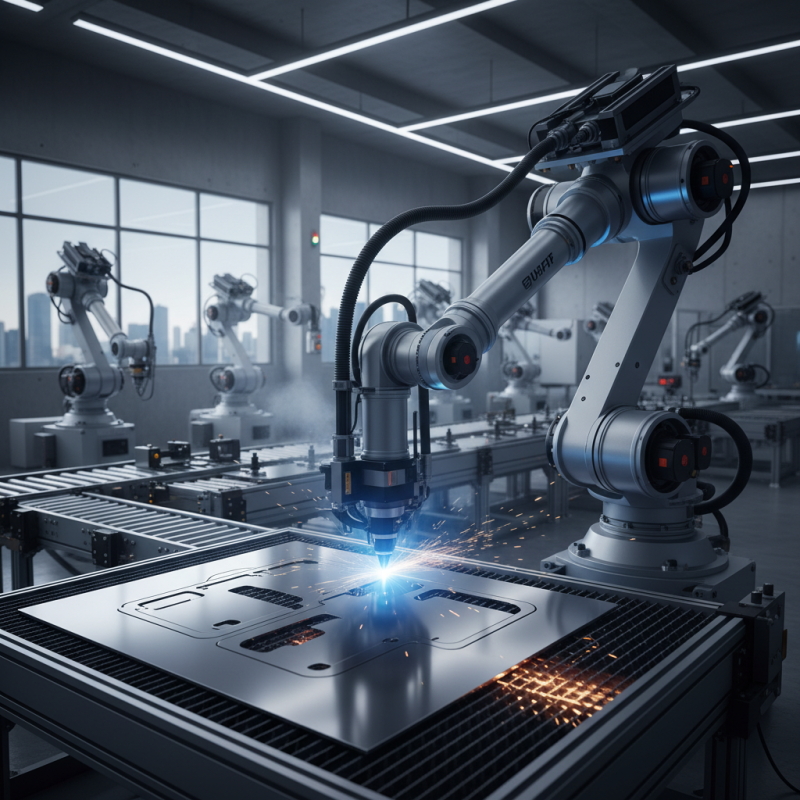
Understanding the Basics of Laser Cutting Technology
Laser cutting technology has transformed manufacturing in various industries. Unlike traditional methods, laser cutting uses highly focused light to cut materials with extreme precision. This technology can handle a wide range of materials, including metals, plastics, and wood. Understanding these basics is crucial for making informed decisions.
When choosing a laser cutting robot, consider its cutting speed and accuracy. A faster cutting speed can improve efficiency. However, accuracy is vital to maintain quality. Each material reacts differently to lasers, so it’s essential to match the technology with your specific needs. Look for equipment that can handle diverse materials and thicknesses. This versatility can save time and costs in the long run.
Maintenance is another critical aspect to ponder. Regular upkeep ensures longevity and consistent performance. Even the best machines may require adjustments over time. It’s essential to have a plan for maintenance. Evaluate the service and support options available for the cutting robot. Reliable support can make a huge difference when unexpected issues arise. Building a solid understanding of these factors can ultimately lead to a successful investment in laser cutting technology.
Top 10 Tips for Choosing the Right Laser Cutting Robot
Key Factors to Consider When Selecting a Laser Cutting Robot
When selecting a laser cutting robot, several key factors can influence your decision. The type of materials you plan to cut is critical. Different lasers excel at cutting various materials, like metals, plastics, or wood. Understanding the thickness and density of your target materials helps narrow down choices.
Speed and precision are also paramount. You want a robot that can maintain high-quality cuts without sacrificing speed. Look into the robot's capabilities in handling intricate designs. Testing the machine on sample materials can aid in assessing performance.
Furthermore, consider the ease of operation and maintenance. A user-friendly interface allows your team to adapt quickly. Maintenance requirements can significantly impact long-term operational costs. A reliable robot should balance performance with manageable upkeep.
Evaluating Different Types and Models of Laser Cutting Robots
When considering a laser cutting robot, it's crucial to evaluate various types and models. A significant factor is the cutting technology used. For instance, CO2 lasers are popular for non-metal materials, while fiber lasers excel in cutting metals. Research shows that fiber lasers have increased cutting speeds by up to 30% compared to traditional methods, leading to higher productivity rates in production environments.
Another important aspect is the robot's precision and repeatability. Industry data indicates that high-end models can achieve precision levels of ±0.01 mm. This level of accuracy can significantly affect the quality of the final product. In contrast, some lower-end models might struggle to maintain consistent quality, especially over extended periods. Evaluating the robot’s software capabilities is also vital. Advanced software allows for better integration with existing systems and can implement AI-based optimizations.
Lastly, consider the maintenance requirements. More complex models may require frequent service, which can disrupt production. According to a report, approximately 60% of manufacturers experienced unplanned downtimes due to maintenance issues with their equipment. Balancing these factors is essential for making informed decisions when selecting the right laser cutting robot for your operations.
Assessing Cost vs. Performance in Laser Cutting Solutions
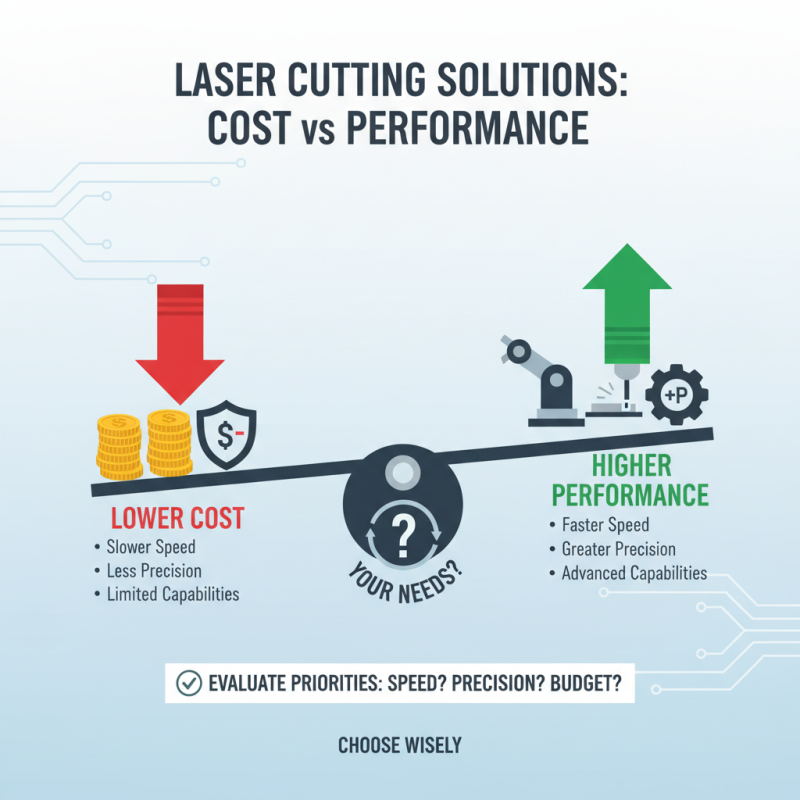
When considering laser cutting solutions, it's essential to assess both cost and performance. The market is flooded with options, making it difficult to choose the right robot for your needs. A cheaper option might seem appealing, but it often comes with limitations in cutting speed and precision. Evaluate what is most important for your projects.
Performance metrics like cutting speed, accuracy, and material compatibility can significantly affect your final product. Be realistic about your expectations. If you require high precision for intricate work, investing in a higher-performing model may prove essential. Understand that lower-cost machines might require more maintenance and can lead to downtime, impacting overall productivity.
Don’t forget to factor in operational costs. The initial purchase price is only part of the equation. Think about energy consumption, replacement parts, and training costs. Some systems may look affordable, but ongoing costs can add up quickly. A robust solution offers reliability but may require a higher investment upfront. Reflecting on these details will guide you toward a more informed decision.
Importance of After-Sales Support and Maintenance Services
When selecting a laser cutting robot, the importance of after-sales support and maintenance services cannot be overstated. You may find a robot that meets your cutting needs perfectly. However, without appropriate support, your investment may not yield long-term benefits. Reliable after-sales service ensures you can troubleshoot problems quickly, minimizing downtime.
Consider asking potential suppliers about their maintenance offerings. Regular servicing helps extend the lifespan of your equipment. It's essential to understand what services are included and the associated costs. A strong service agreement can make a significant difference in your operational efficiency.
While evaluating options, remember that even the best robots can experience issues. Choosing a provider with a solid track record can offer peace of mind. Look for companies that prioritize customer feedback. Read reviews and seek insights from fellow users about their experiences. Ultimately, the right combination of technology and support will enhance your production outcomes and safeguard your investment.
Top 10 Tips for Choosing the Right Laser Cutting Robot
| Tip Number |
Choosing Criteria |
Considerations |
| 1 |
Power Source |
Evaluate the suitability of the power source for your materials. |
| 2 |
Cutting Speed |
Determine the required cutting speed for your production needs. |
| 3 |
Material Compatibility |
Check which materials the robot can effectively cut. |
| 4 |
Software Interface |
Assess how user-friendly the controlling software is. |
| 5 |
Precision and Accuracy |
Look for specifications on precision cuts and accuracy. |
| 6 |
Size and Footprint |
Ensure the robot fits within your workspace limitations. |
| 7 |
Maintenance Requirements |
Evaluate the maintenance schedule and requirements. |
| 8 |
After-Sales Support |
Consider the level of support available post-purchase. |
| 9 |
Cost of Ownership |
Calculate the overall cost including parts and service. |
| 10 |
User Reviews |
Research how other users rate the product and support. |