Top 10 Thin Plate Precision Welding Manufacturers Worldwide
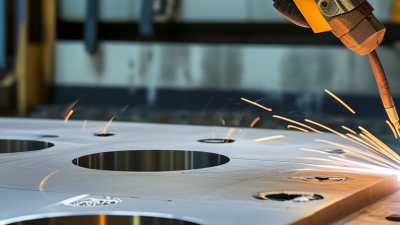
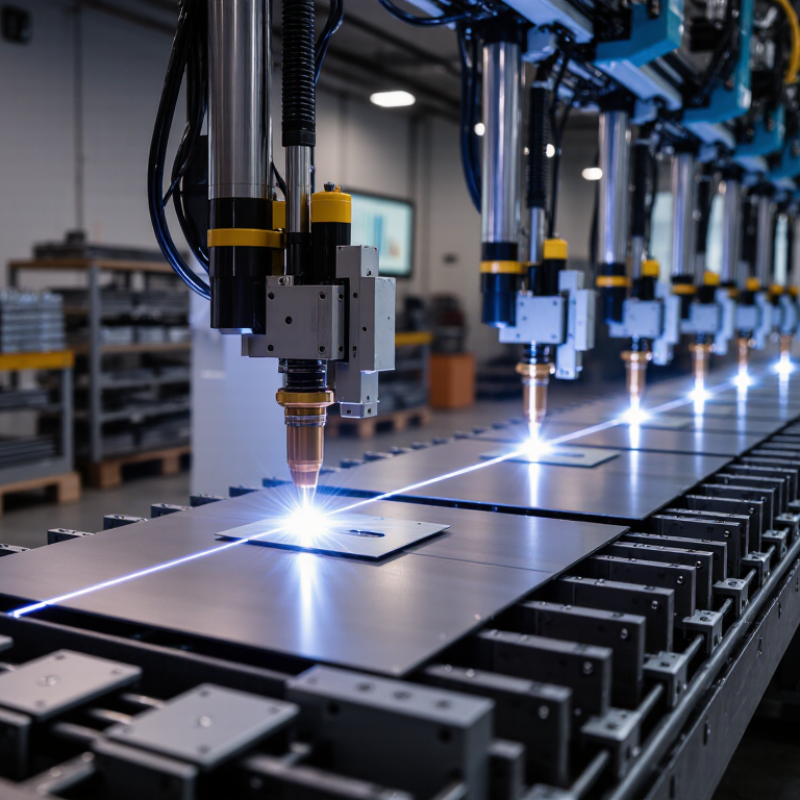
Thin Plate Precision Welding has become a critical capability in aerospace, medical devices, electronics, battery systems, and high-end industrial equipment. Thin materials leave little room for error. A slight heat imbalance can create warping, burn-through, distortion, or an unacceptable surface finish. Manufacturers must therefore control laser or arc energy, shielding gas, joint preparation, fixturing, and inspection with unusual discipline.
Industry data supports this growing importance. The International Federation of Robotics reported 541,302 industrial robots installed worldwide in 2023, showing continued investment in automated production. Welding remains a major robotics application, although the exact market share varies by region and reporting method. Reports from Grand View Research and MarketsandMarkets also identify automation, lightweight materials, and demand for consistent weld quality as important market drivers. Their estimates differ because some studies include robotic cells, while others focus only on welding equipment or services.
This ranking examines ten manufacturers with international influence in thin-plate welding. It considers process capability, equipment precision, production experience, certification practices, customization, and after-sales support. A polished weld is not enough. Traceability matters. Repeatability matters more. The evaluation also considers laser welding, micro-TIG, resistance welding, robotic integration, and inspection systems where relevant.
No ranking is perfectly universal. Supplier strengths change across industries, materials, and order volumes. A company excellent with stainless steel medical housings may not suit aerospace aluminum assemblies. That limitation deserves attention. Readers should verify current certifications, sample welds, tolerances, and delivery records before making a final decision.
Thin Plate Precision Welding: Scope, Definitions, and Thickness Below 3 mm
Thin plate precision welding covers the joining of metal sheets below 3 mm thick. Common work includes stainless steel enclosures, medical housings, sensor brackets, and fine mechanical assemblies. Thickness alone does not define precision. Joint design, heat input, surface condition, and dimensional tolerance also matter.
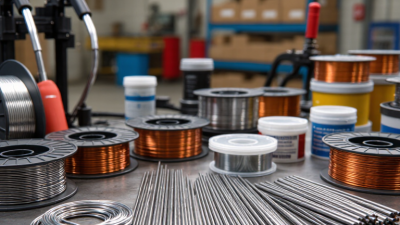
Heat control matters. At this scale, a small arc fluctuation can cause burn-through, warping, or an oversized bead. Experienced manufacturers select laser welding, micro-TIG, resistance welding, or controlled pulsed arc processes according to the material and joint. Fit-up decides much. A clean edge and consistent gap often improve results more than higher welding power. Copper fixtures, backing bars, and short weld sequences can reduce distortion.
Reliable production requires more than attractive samples. Engineers should review weld penetration, repeatability, fixture design, operator qualifications, and inspection records. Visual inspection may reveal undercut or spatter, while dimensional checks can expose movement after cooling. For sealed parts, leak testing may be necessary. Material certificates and weld traceability add confidence across international supply chains. However, even a carefully controlled process can show variation between batches. That assumption fails. Trial runs, destructive tests, and tolerance reviews should challenge the original design before full production. A thin sheet may look simple, yet its narrow thermal margin demands disciplined preparation and honest process limits.
Top 10 Thin Plate Precision Welding Manufacturers Worldwide
Thin Plate Precision Welding: Scope, Definitions, and Thickness Below 3 mm
Thin plate precision welding generally covers metallic sheets below 3 mm, where heat input, distortion control, penetration consistency, and repeatability are critical. The chart shows representative engineering thickness ranges commonly associated with major precision welding processes; actual capability depends on material, joint design, equipment, shielding, and production qualification.
Evaluation Criteria: ISO 5817 Quality Levels, Tolerances, and Heat Input
Top 10 Thin Plate Precision Welding Manufacturers Worldwide
Comparing the top ten manufacturers requires more than inspecting polished samples. ISO 5817 quality levels provide a practical baseline for weld imperfections, including pores, undercut, cracks, and incomplete fusion. Quality Level B is typically the strictest, while Levels C and D allow progressively greater imperfections. The correct level depends on service conditions, safety requirements, and design responsibility.
Dimensional tolerance is equally important. Thin plates can distort quickly when heat is concentrated along a short seam. A reliable manufacturer should document joint gaps, angular distortion, flatness, and finished dimensions. Laser measurement, calibrated gauges, and repeatable fixtures strengthen confidence. However, a perfect inspection report does not always reveal unstable production control. Ask for process records, welder qualifications, and sample results from similar plate thicknesses.
Tips:
Compare heat input, not only appearance. Lower heat input can reduce warping, but excessive reduction may cause weak fusion. Review current, voltage, travel speed, shielding gas, and interpass temperature together. A test coupon should resemble the real component, including its alloy, thickness, joint design, and restraint. Small details matter.
Experience shows that consistent results often come from disciplined preparation. Clean edges, controlled fit-up, and balanced welding sequences limit rework. Still, no scoring sheet is perfect. Some evaluations overlook fatigue loading or thermal cycling. Buyers should challenge unclear tolerances and request traceable inspection evidence before ranking a supplier.
Top 10 Global Manufacturers by Welding Technology and Production Capacity
Top 10 Thin Plate Precision Welding Manufacturers Worldwide
The leading ten global manufacturers distinguish themselves through welding technology and production capacity. They commonly process stainless steel, aluminum, and coated sheet from 0.5 to 3 millimeters thick. Laser welding supports narrow seams and limited distortion. Robotic TIG and MIG systems remain valuable for complex assemblies and lower-volume orders.
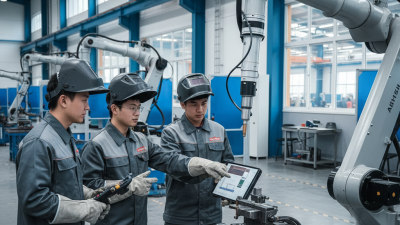
Production capacity depends on more than factory size. A reliable manufacturer combines automated fixtures, calibrated power sources, and skilled inspection teams. High-performing facilities may operate multiple welding cells across several shifts. They also use vision systems, digital seam tracking, and real-time current monitoring. These tools help maintain consistent penetration when material thickness changes.
Quality evidence matters. Buyers should review sample welds, dimensional reports, procedure qualifications, and traceability records. Practical experience shows that fast output can expose weak points in fixture design or operator training. That issue is often overlooked.
A capable supplier should explain cycle times, rework rates, material controls, and capacity during peak demand. Certifications can support credibility, but they do not replace production audits or independent testing. No ranking is perfectly stable. Energy costs, equipment upgrades, workforce skills, and regional logistics can change the order each year. Manufacturers with balanced technology, dependable capacity, and transparent quality data deserve closer consideration.
Process Comparison: Laser, Micro-TIG, Resistance, and Robotic Welding
Top 10 Thin Plate Precision Welding Manufacturers Worldwide
When comparing ten leading manufacturers, process capability matters more than catalog claims.
I inspect weld samples, heat distortion, repeatability, and operator access. A 0.5 mm stainless panel quickly reveals weak control.
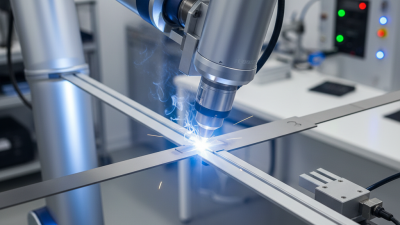
Laser welding produces narrow seams, low heat input, and minimal post-weld finishing. It suits delicate enclosures and visible joints. However, reflective metals can challenge beam stability. Joint fit-up must be excellent.
Micro-TIG welding
gives operators direct control over arc length, filler addition, and heat. It works well for prototypes, repairs, and complex corners. The process is slower, though. Small changes in torch angle can alter penetration.
Resistance welding
is practical for overlapping sheets and repeated spot patterns. It offers short cycle times and limited surface heating. Electrode wear remains a concern, especially during long production runs.
Robotic welding
improves consistency across high-volume assemblies. Sensors can monitor seam position and compensate for minor variation. Yet automation cannot rescue poor fixture design. Automation is not magic.
In my experience, the best manufacturer matches the process to material, thickness, tolerance, and production volume. I once favored laser welding for every thin sheet project, but that judgment was too simple. A supplier should provide cross-sections, dimensional reports, and durability data from comparable parts.
Ask how they control shielding gas, clamping pressure, electrode condition, and robot calibration.
Real evidence matters.
Key Industries, Certifications, and Regional Manufacturing Footprints
Top 10 Thin Plate Precision Welding Manufacturers Worldwide
The leading thin plate welding manufacturers serve automotive, rail, aerospace, medical equipment, electronics, and clean-energy industries. The International Energy Agency reported nearly 14 million electric car sales in 2023. This growth increases demand for controlled welding on battery trays, cooling plates, and lightweight body structures. Thin stainless steel and aluminum require stable heat input, accurate fixturing, and strong inspection routines.
Regional capability matters. Asian production centers often combine high-volume automation with extensive electronics and battery supply chains. European facilities commonly emphasize rail, medical, and industrial engineering requirements. North American manufacturers frequently support aerospace, energy, and defense-adjacent production under strict traceability systems. The World Steel Association reported global crude steel production above 1.8 billion tonnes in 2023, showing the scale of the wider metalworking ecosystem.
Certifications separate serious suppliers from attractive websites. ISO 9001 supports documented quality control, while ISO 3834 addresses welding quality requirements. Rail projects may require EN 15085, and aerospace work can demand NADCAP-based special-process approval. ISO 14001 and ISO 45001 also reveal environmental and workplace management maturity. Audit these certificates directly. No ranking is perfect. Some factories display group-level certifications, not plant-specific approvals. A practical shortlist should compare weld penetration records, destructive-test results, laser or TIG capability, regional service teams, and response times. The 2024 Global Automotive Supplier Study also highlights resilience and localization as procurement priorities, making a nearby qualified plant more valuable than a distant low-cost option.