request to quote
Leave Your Message

Top 10 Traditional Welding Equipment You Need to Know About?

In the world of manufacturing, Traditional Welding Equipment plays a crucial role. According to the American Welding Society, over 2.5 million welders work in the U.S. alone. This number highlights the significance of welding in various industries, from construction to automotive. Reliable equipment is essential for ensuring safety and precision.

Many manufacturers still rely on traditional methods. Techniques like MIG and TIG welding remain popular choices. However, not all professionals utilize these tools effectively. The gap in understanding and execution presents challenges. Choosing the right Traditional Welding Equipment can be daunting for newcomers.

As we delve into the top 10 essential tools, we must recognize potential pitfalls in traditional practices. Equipment maintenance is often overlooked, leading to subpar results. Understanding the capabilities and limitations of these tools is vital. When used correctly, Traditional Welding Equipment can create strong, durable bonds essential for modern production.

Top 10 Traditional Welding Equipment You Need to Know About?

Understanding the Essentials of Traditional Welding Equipment

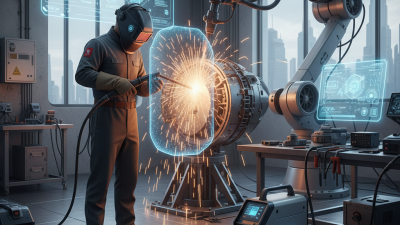
When diving into traditional welding, having essential equipment is crucial. Tools like welding helmets, gloves, and protective clothing ensure safety. A sturdy worktable is also a must. It helps you secure materials while working. The welding machine itself is the heart of the process. Without it, you're left with just a pile of metal parts.

The variety of welding rods can be overwhelming. Each type serves specific applications. Choosing the right rod can affect the strength of the weld. It's important to experiment, but it can also lead to frustration. You can’t always get it right on the first try. Clamps are essential too. They hold everything in place, allowing you to focus on the weld.

While equipment is important, skill and knowledge matter more. Understanding the basics of welding techniques is critical. It's not just about having the right gear; it's about making it work for you. The learning curve can be steep. Many beginners face challenges and setbacks. Embrace them as part of the journey.

Top 10 Traditional Welding Equipment You Need to Know About

Equipment Description Usage Safety Features
Welding Machine A device used to join metal parts by melting them together. Utilized in various welding processes like MIG, TIG, and Stick welding. Overload protection, thermal cut-off.
Welding Helmet Protective headgear that shields the welder's face and eyes from sparks and ultraviolet light. Essential for eye protection during welding. Auto-darkening filters, adjustable headgear.
Welding Gloves Heat-resistant gloves that protect the hands from heat and sparks. Worn during all welding processes. Insulated materials, reinforced palm.
Welding Jacket Protective clothing designed to shield the upper body from heat and sparks. Important for protecting the body from burns. Flame-resistant materials, long sleeves.
Fume Extractor Device that removes harmful welding fumes from the work area. Used in confined spaces to maintain air quality. HEPA filters, adjustable air flow.
Angle Grinder Tool used for grinding and polishing welds. Helps in finishing the weld seams. Safety guard, adjustable speed settings.
Clamps Devices used to hold metal pieces securely during welding. Ensures stability and precision in welding. Durable materials, quick-release mechanism.
Welding Rods Metal rods used as filler material in welding processes. Essential for creating strong welds. Variety of materials available for different applications.
Chipping Hammer Tool used for removing slag from welds. Ensures clean welds with better finish. Built with durable materials for longevity.
Wire Brush Used to clean the surface before welding. Prepares metal surfaces for better adhesion. Ergonomic handle, replaceable brushes.

Gas Welding: Techniques and Essential Tools Overview

Top 10 Traditional Welding Equipment You Need to Know About?

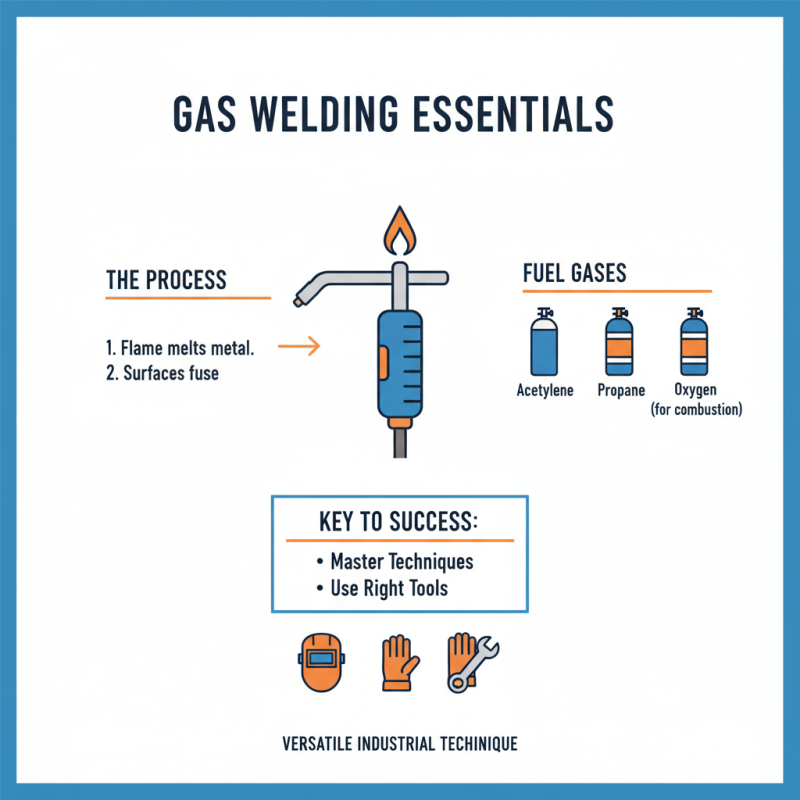
Gas welding is a versatile technique used in various industries. It primarily relies on a flame produced by burning a fuel gas, often mixed with oxygen. This method melts the metal surfaces, allowing them to fuse effectively. To achieve great results, one must master the appropriate techniques and utilize essential tools.

An oxygen and acetylene torch is indispensable for gas welding. It controls the flame's heat and size, making it easier to weld different materials. Proper safety gear is crucial. Always wear goggles and gloves to protect against sparks and intense light.

When starting, practice on scrap metal. This habit helps refine your skills without the pressure of a project. The flame should be adjusted to create a neutral burn: balanced, neither oxidizing nor carburizing. Be aware that different metals may require separate techniques. Keep a clean workspace as well. A cluttered area can lead to accidents.

Arc Welding: Key Equipment and Applications Explained

Arc welding is a widely used process in various industries. It employs an electric arc to melt the base materials and form a strong bond. This method is crucial for tasks that require high strength and durability. Various equipment is involved in arc welding, each serving a unique purpose.

The most essential tool is the welding machine, which generates the necessary heat. These machines come in different types, such as transformer-based or inverter-based. Each type has its own advantages and limitations. Workers must understand their specific requirements to choose appropriately.

Personal protective equipment, often overlooked, is vital in maintaining safety. Helmets, gloves, and protective clothing are essential. Ignoring protective gear can lead to severe injuries. Proper ventilation is also necessary to avoid inhaling harmful gases. Many lose focus on these safety aspects, which can lead to regrets later. Effective training and awareness can significantly improve oversight in safety practices.

MIG and TIG Welding: A Comparative Look at Equipment Needs

Top 10 Traditional Welding Equipment You Need to Know About?

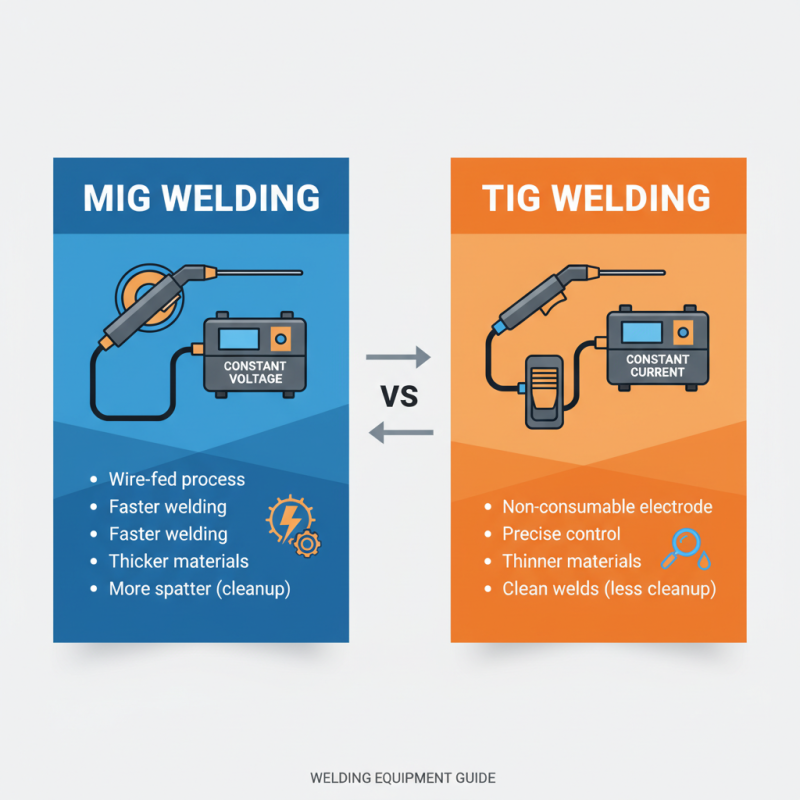
MIG and TIG welding each have unique equipment needs. MIG welding uses a wire-fed process. It requires a constant voltage power supply. This setup allows for faster welding, ideal for thicker materials. However, it may cause more spatter. This can lead to extra cleanup time.

On the other hand, TIG welding uses a non-consumable tungsten electrode. It's slower but offers more precision. The equipment needed is more complex. You’ll need a foot pedal to control the heat. This flexibility is essential for thinner materials. However, mastering this method takes practice. Mistakes can lead to poor welds, requiring rework.

Both methods require proper safety gear. Gloves, helmets, and work clothing are critical. Each technique also demands different types of shielding gas. This affects the final results. These choices can lead to significant differences in your projects. Balancing speed and quality can be a struggle and requires reflection on your skill level.

Safety Gear: Essential Items for Welders to Ensure Protection

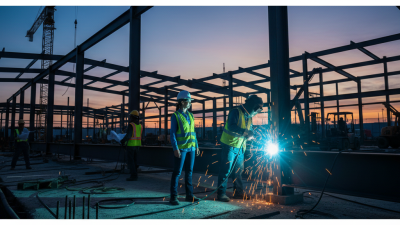
Welding is a dangerous trade. Safety gear is crucial for welders. In a study by the American Welding Society, about 50% of welders reported minor injuries. Proper gear can significantly reduce these risks.

Essential items include helmets, gloves, and protective clothing. Helmets protect from intense light and heat. Gloves prevent burns and cuts. Wearing flame-resistant clothing is vital. A report highlighted that 75% of welders experienced skin issues due to inadequate protection.

Additionally, respiratory protection is often overlooked. Fumes released during welding can be toxic. Only 30% of welders consistently use appropriate masks. This needs improvement. Investing in safety gear is non-negotiable for a long career in welding. It's not just about compliance; it's about personal health and safety.