Top 10 Applications of Thin Plate Precision Welding in China Industry?
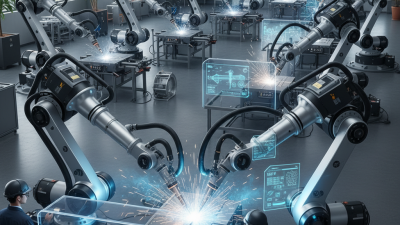
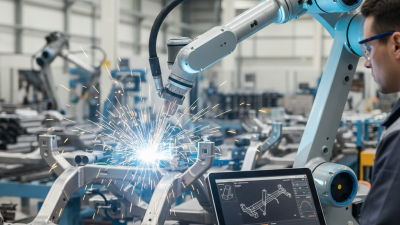
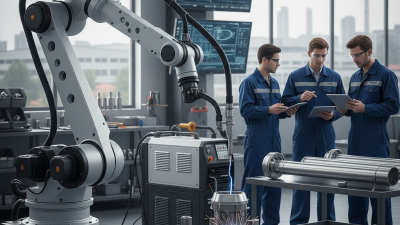
Thin Plate Precision Welding has emerged as a critical technology in various sectors of the Chinese industry. This innovative process enhances the welding of thin metal sheets, leading to improved durability and reliability. Dr. Zhang Wei, a leading expert in welding technology, emphasizes its significance, stating, "Thin Plate Precision Welding redefines efficiency and quality in modern manufacturing."
In China, industries like aerospace, automotive, and electronics rely heavily on this technique. The ability to weld thin plates without compromising structural integrity is vital. With an increasing demand for lightweight materials, this technology allows manufacturers to meet modern standards. However, challenges remain. Ensuring consistency and overcoming potential defects is an area requiring ongoing research and development.
As the industry advances, the adoption of Thin Plate Precision Welding continues to grow. Its applications are vast, and the potential for innovation is promising. Yet, stakeholders must remain vigilant. Balancing speed and quality in production is crucial for success.
Applications in Aerospace Industry
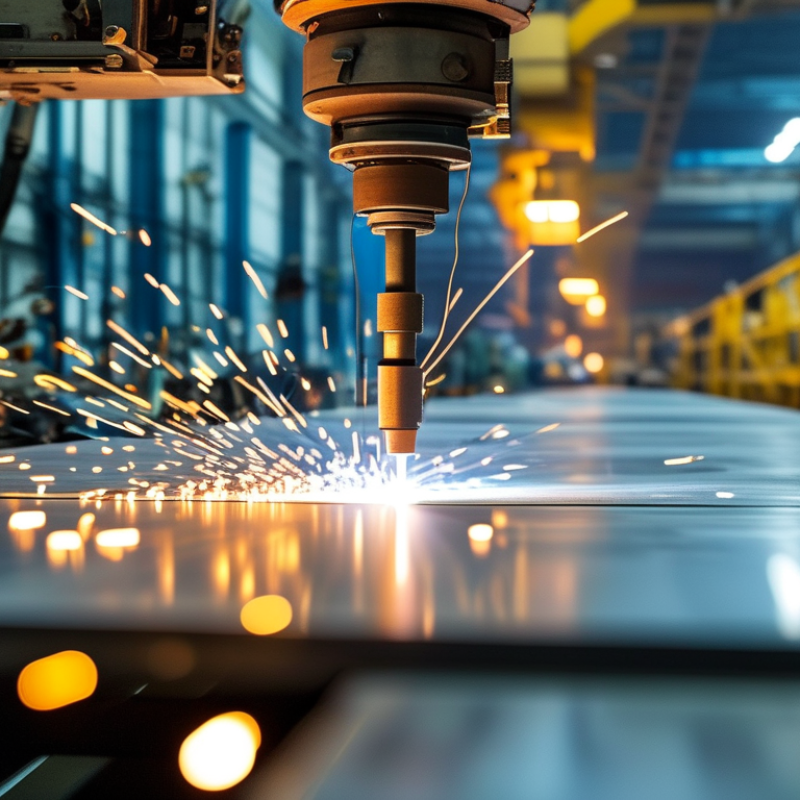
Thin plate precision welding has transformed the aerospace industry in China. This technology provides high accuracy and minimal thermal distortion. It’s crucial for joining lighter materials required in modern aircraft design. Reducing weight enhances fuel efficiency and performance. Furthermore, it allows for the creation of complex structures essential in advanced aerospace components.
One challenge is ensuring weld quality under varying conditions. Inconsistent heat input can lead to defects. Continuous improvement in welding techniques is necessary. Each project brings unique demands, making it essential to adapt methods. The need for skilled technicians is evident; they must understand the materials and processes thoroughly. Moreover, ongoing training helps maintain high standards in this evolving field. Precision welding technologies are not just about machines; they are about the people who operate them as well.
Thin Plate Welding in Automotive Manufacturing
Thin plate welding plays a crucial role in the automotive manufacturing industry in China. It enables the assembly of lightweight structures essential for fuel efficiency and vehicle performance. This technique supports the production of various components, including chassis, body panels, and brackets. By allowing precision joining of thin materials, manufacturers can enhance the overall strength of automotive parts.
Tips: Regular training for welders can improve skill levels. Incorporate advanced techniques like laser welding for intricate designs. Equipment maintenance ensures high-quality welds.
The challenges in thin plate welding are notable. Achieving the right heat input is essential. Too much heat can lead to warping, while too little can result in weak joints. Experimentation and adjustments in parameters are necessary for optimal results. This approach not only enhances product reliability but also promotes innovation in automotive design.
Tips: Keep a detailed log of welding conditions. Review and adapt processes for continuous improvement. Collaborate with engineers to solve persistent issues.
Electronics and Semiconductor Production
Thin plate precision welding plays a crucial role in the electronics and semiconductor industries in China. This technique allows for high precision applications, ensuring that delicate components are joined together with minimal distortion. It enhances the integrity of electronic devices, which is essential for their performance and reliability.
In semiconductor production, the need for accurate welding is paramount. The process allows for the seamless integration of thin materials. These materials are often used in microelectronic circuits. The challenge lies in maintaining the balance between heat input and precision. Excessive heat can damage sensitive components, leading to reduced quality or failure. Testing and monitoring are vital to achieving optimal results.
However, precision welding is not without its challenges. Operators must be skilled and experienced. There is an ongoing need for training in this field. Additionally, varying material properties can complicate the welding process. Continuous improvements and innovations are necessary to address these issues and enhance the industry’s output.
Top 10 Applications of Thin Plate Precision Welding in China Industry
Medical Device Fabrication Techniques
Thin plate precision welding is reshaping medical device fabrication in China. This method provides superior accuracy and control over traditional techniques. According to a recent industry report, over 50% of medical devices now utilize advanced welding technologies.
The advantages are clear. Thin plate welding offers minimal heat distortion and a stronger bond. This is crucial in the medical field, where device integrity is non-negotiable. However, challenges remain in mastering the technique. A study revealed that more than 30% of manufacturers face difficulties in achieving repeatability. This can lead to inconsistencies in device quality.
Furthermore, with the rapid evolution of technology, staying updated is vital. For example, over 60% of experts recommend continuous training for welders. This ensures they are skilled in the latest methods and practices. Health and safety also require attention, as workplace accidents can occur without proper protocols. Overall, while progress is evident, the need for ongoing improvement in skill and practice is undeniable.
Top 10 Applications of Thin Plate Precision Welding in China Industry
| Application |
Industry |
Welding Technique |
Precision Level |
Expected Outcome |
| Surgical Instruments |
Medical Devices |
TIG Welding |
High Precision |
Durability and Sterilization Capability |
| Implantable Devices |
Orthopedics |
Laser Welding |
Ultra-High Precision |
Enhanced Biocompatibility |
| Diagnostic Equipment |
Imaging |
Resistance Spot Welding |
Moderate Precision |
Reliable Functionality |
| Endoscopic Tools |
Surgical |
Micro-Welding |
High Precision |
Enhanced Viewability |
| Dental Instruments |
Dental Care |
Arc Welding |
High Precision |
Improved Performance and Safety |
| Oxygen Sensors |
Respiratory Devices |
Laser Hybrid Welding |
Ultra-High Precision |
Increased Sensitivity |
| Pacemakers |
Cardiology |
Electron Beam Welding |
Extreme Precision |
Improved Lifespan |
| Blood Analysis Devices |
Laboratory Equipment |
Ultrasonic Welding |
Moderate Precision |
Cost-effective Manufacturing |
| Stents |
Vascular Surgery |
TIG Welding |
High Precision |
Enhanced Patency |
Energy Sector Innovations through Precision Welding
Precision welding plays a crucial role in the energy sector. It increases efficiency and reduces material waste. Thin plate precision welding is especially vital in manufacturing parts for renewable energy systems. These parts require high strength and lightweight properties. Industries are now integrating advanced welding technology to meet these needs.
When applying precision welding, attention to detail is essential. Inconsistent techniques can lead to weak joints. This could result in failures in harsh conditions. Therefore, operators must be thoroughly trained. Investing in proper training ensures skill development and quality output.
Tips: Regular maintenance of welding equipment can prevent issues. Keeping tools in top condition enhances performance. It's also beneficial to test welds systematically. Early detection of flaws can save time and resources in the long run. The energy sector must continuously innovate. Only through improvement can they ensure sustainability and resilience.