Top Extended Type Cobot Features and Benefits for Modern Automation?
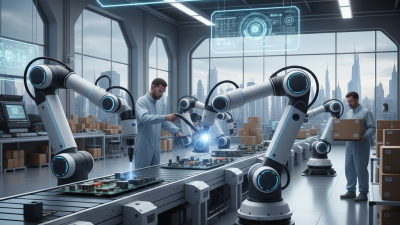
In today's rapidly evolving industrial landscape, the demand for automation solutions is on the rise. Among these solutions, the Extended Type Cobot stands out for its versatility and efficiency. Unlike traditional robots, these collaborative robots are designed to work alongside humans, enhancing productivity without sacrificing safety. This unique capability is a game changer for many manufacturing processes.
The Extended Type Cobot offers advanced features that cater to modern automation needs. For instance, its adaptive sensors allow for real-time adjustments during operations. This flexibility minimizes downtime and enhances overall output. Additionally, the ease of programming means that companies can integrate these cobots without extensive training programs. However, there is a learning curve. Companies must be willing to refine their processes to fully harness this technology.
Implementing Extended Type Cobots can lead to significant benefits, like reducing labor costs and improving accuracy. Yet, organizations must remain realistic about challenges in deployment. Technology may not fit all tasks seamlessly. A thoughtful approach to integration is essential. Overall, Extended Type Cobots represent a valuable asset in modern automation, driving progress while requiring careful consideration.
Key Characteristics of Extended Type Cobots in Automation
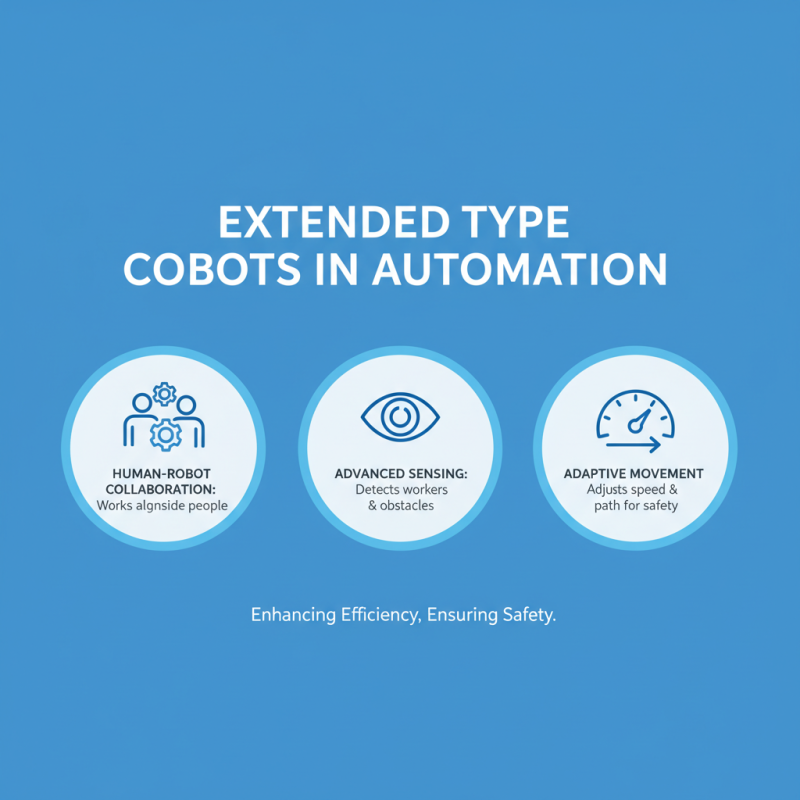
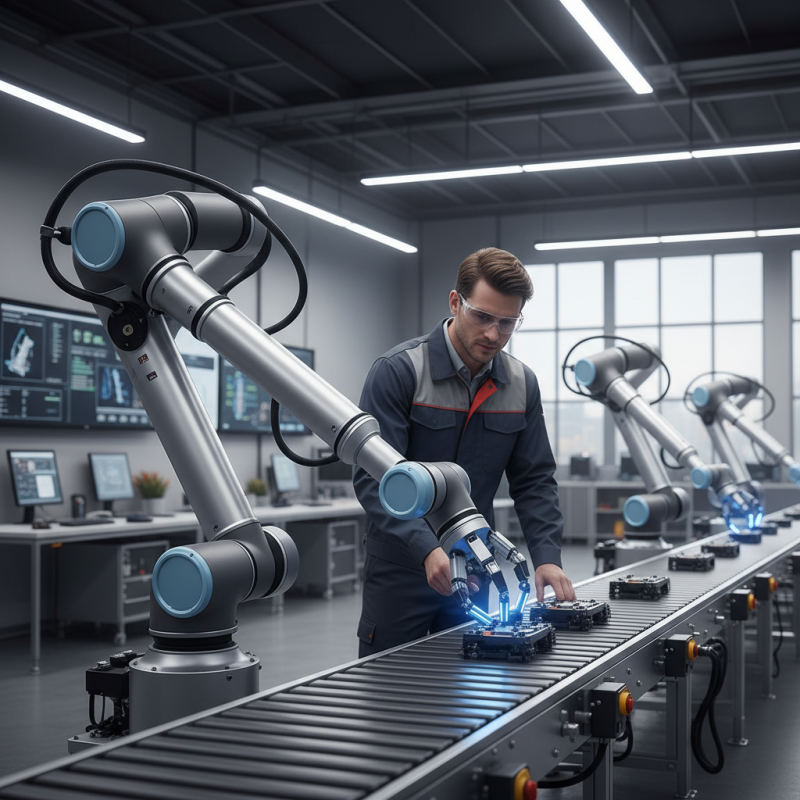
Extended type cobots have unique characteristics that significantly enhance modern automation. These collaborative robots are designed to work alongside human operators, improving efficiency without compromising safety. One of the standout features is their advanced sensing technology. This allows cobots to detect nearby workers, adjusting speed and movement as necessary. Such adaptability ensures a safer workspace and promotes seamless collaboration.
Another important aspect is their flexibility in operation. Extended type cobots can perform various tasks, from assembly to packing. They are easily programmable, allowing businesses to quickly adapt to changing demands. This capability can be especially beneficial in industries with fluctuating production levels. However, not all cobots function flawlessly in every environment. Some might struggle with complex tasks, highlighting the need for ongoing evaluation.
The ease of integration is also a key characteristic of these machines. Many cobots can coexist with existing systems, simplifying the automation process. However, companies need to invest time in training staff to utilize this technology effectively. Identifying potential limitations early can improve outcomes in the long run. Recognizing where these cobots excel and where they might need support is essential for successful automation.
Advantages of Integrating Extended Type Cobots in Manufacturing
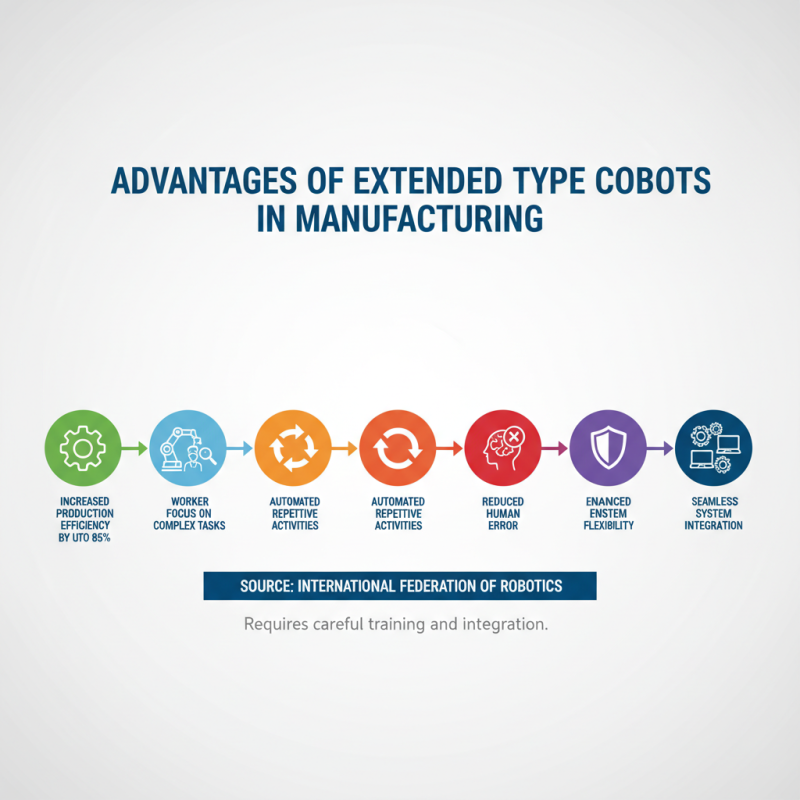
The integration of extended type cobots in modern manufacturing offers several advantages that enhance productivity and flexibility. According to a study by the International Federation of Robotics, collaborative robots can increase production efficiency by up to 85%. These versatile machines enable workers to focus on more complex tasks while handling repetitive activities, reducing human error. However, the transition requires careful training and integration with existing systems.
Extended type cobots not only enhance productivity but also improve workplace safety. The World Economic Forum reports that about 10% of workforce injuries stem from repetitive tasks. By adopting cobots, manufacturers can significantly lower injury rates. These robots operate alongside human workers, offering support without compromising safety. Yet, manufacturers must assess their safety protocols continuously to optimize human-cobot collaboration.
Moreover, businesses experience shorter lead times with collaborative robots. A report by McKinsey highlights that companies using automation tools, including cobots, can reduce lead times by 20-30%. While the initial investment may seem daunting, savings from improved efficiency can justify the costs. Regular evaluation of performance metrics is essential, as not all cobot integrations yield equal results. Manufacturers should remain mindful that continual adjustments and training are vital for maximizing the benefits of extended type cobots.
Enhancements in Flexibility and Adaptability Offered by Cobots
Collaborative robots, or cobots, have transformed modern automation with their flexibility and adaptability. These machines can work alongside humans, making them ideal for various tasks. They are designed to be easily programmed and reconfigured, allowing manufacturers to shift quickly between different production lines. This capability is crucial in today’s fast-paced market, where changes in consumer demand happen frequently.
The user-friendly interfaces of cobots enhance their adaptability. Operators can often set them up without extensive training. This lowers the barrier for entry, making automation accessible to smaller enterprises. However, some users may find the initial transition challenging. Finding the right balance between human and robotic integration requires careful planning.
Integration of cobots can lead to increased efficiency. However, businesses need to reflect on their specific needs. Identifying repetitive tasks for automation is essential. Not all operations benefit from cobots; some require human intuition or creativity. Ensuring that cobots complement human workers is vital to achieving optimal productivity and workplace satisfaction.
Safety Features That Differentiate Extended Type Cobots
Extended type cobots have emerged as a cornerstone in modern automation, particularly due to their advanced safety features. According to a recent report by the International Federation of Robotics, the cobot market is projected to grow by 30% annually, driven by the need for safer working environments. These cobots boast integrated sensors and real-time monitoring systems that enhance workplace safety, protecting both human workers and the machines themselves.
Safety features often include force limiters and speed regulators that prevent accidents. In a study published by McKinsey, organizations using these safety technologies reported a 40% reduction in workplace injuries. This is significant for industries that rely on human-robot collaboration. While these features are impressive, companies need to ensure proper training on using cobots. Misunderstanding the technology can lead to misuse, which is a common pitfall.
Tips: Regular safety audits can help identify risks in cobot operations. Encourage operators to share feedback based on their experiences. Ensuring a culture of safety is crucial as automation continues to evolve. Extended type cobots can be highly effective, but continuous assessment is essential.
Top Extended Type Cobot Features and Benefits for Modern Automation
Impact of Extended Type Cobots on Workforce Efficiency and Productivity
Extended type cobots, or collaborative robots, are transforming modern automation. Their unique features enhance workforce efficiency, driving productivity to new heights. By assisting human workers, extended type cobots alleviate repetitive tasks. This allows employees to focus on more strategic responsibilities. Such technology complements human skills rather than replacing them.
Implementing extended type cobots requires careful planning. Organizations should assess the specific tasks that can benefit from automation. Collaboration between employees and cobots should be encouraged at all levels. Employees might feel resistant initially. Effective communication is essential to address these concerns. Sharing success stories can help build confidence in the new technology.
Tips for successful integration include regular training sessions. This keeps team members updated on the cobot functionalities. Also, maintaining an open feedback loop is crucial. Listening to employee experiences can highlight areas for improvement. These interactions help refine processes and maximize benefits. Balancing automation with a human touch creates an optimal working environment.
Top Extended Type Cobot Features and Benefits for Modern Automation
| Feature |
Description |
Benefit |
Impact on Workforce |
| User-Friendly Interface |
Intuitive programming and operation. |
Reduces training time for operators. |
Improves adaptation and job satisfaction. |
| Flexible Deployment |
Can be easily moved and reprogrammed for different tasks. |
Enhances facility productivity and workflow adaptability. |
Allows workforce to focus on value-added tasks. |
| Collaborative Safety Features |
Equipped with sensors for safe human-robot collaboration. |
Minimizes workplace accidents and enhances safety. |
Boosts employee morale and confidence in using advanced technologies. |
| High Precision and Consistency |
Delivers precise movements and repeatability. |
Ensures high-quality output and reduces waste. |
Allows workers to engage in more innovative and creative tasks. |
| Cost Efficiency |
Lower operational costs compared to traditional robots. |
Provides a faster return on investment. |
Facilitates workforce reallocation towards strategic roles. |