request to quote
Leave Your Message

Top Thin Plate Precision Welding Manufacturers?

Thin Plate Precision Welding has become a critical capability for manufacturers serving medical devices, electronics, aerospace, automotive, and clean-energy equipment. Thin stainless steel, aluminum, and nickel sheets can distort quickly under excessive heat. A small burn-through may ruin an entire enclosure, bracket, or fluid channel. Precision is not a marketing phrase here. It is a production requirement.

Industry data supports this growing focus. Grand View Research reports continued expansion in the global welding equipment market, driven by automation, lightweight materials, and advanced manufacturing. The International Federation of Robotics also identifies welding as a major industrial robot application, especially where repeatability and worker safety matter. However, market size alone cannot identify the best supplier. A strong manufacturer should demonstrate qualified welding procedures, stable laser or TIG parameters, traceable materials, inspection records, and practical experience with thin-gauge assemblies.

This guide examines leading Thin Plate Precision Welding manufacturers through those technical and commercial lenses. It considers equipment capability, thickness control, joint accuracy, surface finish, production scalability, and quality certifications such as ISO 9001 and ISO 3834. Customer evidence matters, too. Look for samples with clean seams, limited discoloration, and minimal post-weld grinding.

No ranking is perfect. Supplier websites often show their best projects, not their daily output. Buyers should verify tolerances, reject rates, lead times, and inspection methods directly. A polished brochure is not enough. The right partner must repeatedly deliver precise welds on real production parts, under real schedule pressure.
Top Thin Plate Precision Welding Manufacturers?

What Is Thin Plate Precision Welding?

Thin plate precision welding joins metal sheets while controlling heat, distortion, penetration, and surface quality. Plate thickness often ranges from 0.3 to 3 millimeters, depending on the application. Common processes include pulsed TIG, laser welding, and micro-plasma welding. Each method requires carefully matched current, travel speed, shielding gas, and joint preparation.

The International Federation of Robotics reported 541,302 industrial robots installed worldwide in 2023. This growth supports automated welding, but automation cannot correct poor fit-up or contaminated surfaces. In practical production, operators check edge alignment with feeler gauges, clean fingerprints and oil, then use short, balanced tack welds. Thin sheets move easily. That remains a problem.

Precision welding should also follow controlled quality procedures. ISO 3834 addresses comprehensive welding quality requirements, while ISO 5817 defines quality levels for weld imperfections. A manufacturer should document welding procedures, material certificates, operator qualifications, and inspection results. Visual inspection may detect undercut or burn-through, but it cannot confirm every internal defect. Sampling plans, dimensional checks, and non-destructive testing may be necessary.

A clean bead is not proof of a sound joint. Excessive confidence can hide distortion beneath an attractive surface. The best process combines stable equipment, qualified technicians, traceable parameters, and realistic tolerance limits. Small changes in gap width can alter penetration significantly, especially on stainless steel or aluminum sheets. During supplier evaluation, request sample welds made with your actual material and thickness.

How Are Leading Manufacturers Evaluated?

Top Thin Plate Precision Welding Manufacturers?

How Are Leading Manufacturers Evaluated?

Evaluating a thin plate welding manufacturer requires more than comparing prices. A capable supplier should show real production evidence, including sample welds, inspection records, and repeatable results. Ask how the team controls heat input, edge alignment, and weld distortion. Small variations can affect an entire assembly. Experience matters here.

Technical capability should match the material and thickness. Review equipment accuracy, welding methods, fixture design, and operator qualifications. Request measured tolerances, not general promises. A useful trial may include stainless steel sheets below one millimeter, tight corners, and visible surfaces. Inspect penetration, discoloration, porosity, and warping under consistent lighting. The answer should be measurable.

Reliability also depends on process discipline. Look for material traceability, calibrated instruments, documented inspections, and clear corrective actions. A site visit can reveal practical details, such as clean workstations, protected components, and organized weld records. Communication is another test. Can the manufacturer explain a failed sample without hiding it? No supplier is perfect. I value honest limits more than polished claims, although I have sometimes relied too heavily on test samples. Production consistency still needs verification through pilot runs, batch records, and independent dimensional checks.

Top Thin Plate Precision Welding Manufacturers? - How Are Leading Manufacturers Evaluated?

Evaluation Dimension Practical Benchmark or Requirement Why It Matters for Thin Plate Welding Evidence to Request Suggested Weight
Minimum Plate Thickness Documented capability for approximately 0.3–1.5 mm sheet, subject to material and joint design. Thin material has a narrow process window and is more vulnerable to burn-through, warping, and edge melting. Qualified welding procedure, sample welds, material certificates, and cross-section photographs. 12%
Dimensional Accuracy Typical controlled features should be specified by drawing; high-precision assemblies commonly require tolerances around ±0.05–0.20 mm. Accurate fit-up reduces gaps, inconsistent penetration, post-weld correction, and assembly rejection. Inspection reports using calibrated CMMs, optical measurement systems, gauges, or equivalent equipment. 12%
Weld Repeatability Stable bead placement and penetration across repeated parts; automated systems should provide a documented positional repeatability specification. Repeatability is essential for consistent appearance, strength, and downstream assembly. Process capability study, first-article inspection, production samples, and statistical control charts. 12%
Heat Input and Distortion Control Controlled current, voltage, travel speed, pulse settings, shielding gas, clamping, and weld sequence. Low and controlled heat input limits distortion, discoloration, residual stress, and dimensional movement. Welding parameter logs, distortion measurements before and after welding, and process trial results. 14%
Welding Process Range Appropriate access to TIG, laser, micro-plasma, resistance, or robotic processes based on the alloy, thickness, joint, and production volume. No single process is optimal for every thin-plate application; process selection affects quality and cost. Equipment list, process qualification records, application examples without confidential customer information, and sample parts. 10%
Material Compatibility Verified experience with stainless steel, aluminum alloys, galvanized sheet, mild steel, nickel alloys, or other specified materials. Thermal conductivity, oxidation behavior, reflectivity, and alloy chemistry strongly influence weldability. Material certificates, weld procedure specifications, metallurgical inspection, and corrosion or leak-test results where applicable. 8%
Inspection and Quality Assurance Defined inspection plan covering visual inspection, dimensional checks, weld-size verification, and applicable non-destructive testing. A documented quality system detects defects before shipment and makes acceptance criteria measurable. ISO 9001 certification where applicable, inspection plan, calibration records, nonconformance procedure, and sample inspection report. 12%
Standards and Welder Qualification Personnel and procedures aligned with the customer’s required codes, such as ISO 9606, ISO 15614, AWS D17.1, or other applicable standards. Qualified operators and procedures reduce variation and provide objective evidence of process competence. Current welder certificates, procedure qualification records, internal audit records, and code-compliance declarations. 8%
Traceability and Process Records Lot-level traceability for raw material, filler, shielding gas, operator, machine, parameters, inspection, and rework. Traceability supports root-cause analysis, regulatory requirements, and consistent repeat production. Digital travelers, weld logs, batch records, material identification system, and retention policy. 7%
Production Capacity and Delivery Capacity should be demonstrated through cycle-time data, staffing, equipment availability, and an agreed production ramp plan. A technically capable supplier must also maintain stable quality and lead times at the required volume. Capacity assessment, on-time delivery history, bottleneck analysis, backup equipment, and business-continuity plan. 3%
Prototype and Engineering Support Ability to support design-for-welding reviews, fixture development, sample validation, failure analysis, and engineering changes. Early engineering involvement can prevent poor joint design, excessive heat input, and avoidable production cost. Design review checklist, prototype workflow, fixture concepts, trial reports, and corrective-action examples. 2%
Total Evaluation Weight 100%

Note: Final acceptance limits should always be defined by the engineering drawing, material specification, applicable welding code, and validated production samples. Benchmark ranges are screening references rather than universal pass/fail limits.

Key Technologies Used in Thin Plate Welding

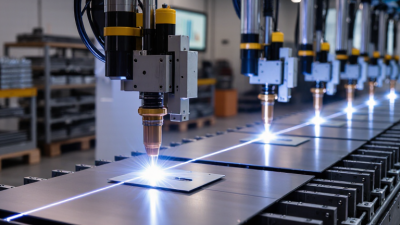
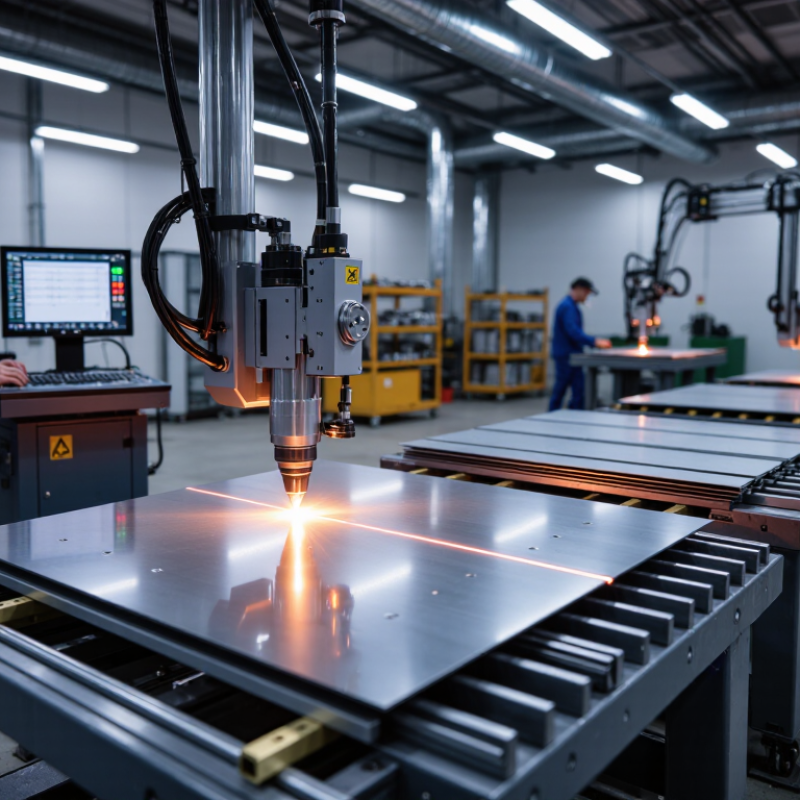
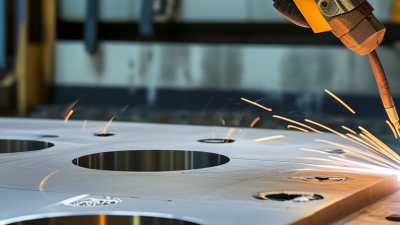
Thin plate welding demands tight control because a small amount of heat can distort an entire component. In precision workshops, laser welding is often selected for narrow seams and low heat input. A focused beam can join sheets with limited discoloration. However, laser alignment must remain stable. A gap of only a few tenths of a millimeter may weaken the joint.

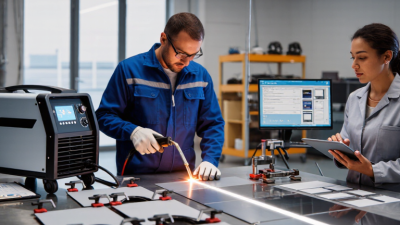
Pulsed TIG welding offers another practical solution for stainless steel and delicate assemblies. Short current pulses reduce heat buildup and help control the molten pool. Skilled operators adjust pulse frequency, peak current, and travel speed together. Shielding gas coverage also matters. Poor coverage can create oxidation around the weld. Clean surfaces, accurate fixturing, and consistent clamping reduce these risks.

Resistance welding works well for overlapping thin sheets, especially where speed matters. Electrode pressure, current duration, and contact condition directly influence nugget formation. Engineers often verify results through visual inspection, dimensional checks, and sample cross-sections. Non-destructive testing can reveal incomplete fusion or hidden cracks. Small details matter.

In practice, no setting works for every alloy or thickness. I have seen attractive welds fail after cooling because distortion was overlooked. That mistake deserves attention. Process records, trial coupons, and operator feedback make production more reliable. Even advanced equipment needs disciplined preparation. Precision comes from the complete process, not one machine.

Top Manufacturer Profiles and Core Capabilities

Top Thin Plate Precision Welding Manufacturers?

Top Manufacturer Profiles and Core Capabilities

Thin plate precision welding demands control, not speed alone. Leading manufacturers combine trained operators, stable equipment, and documented process controls. Their profiles often include work with stainless steel, aluminum, and nickel-based alloys. Each material reacts differently to heat. A reliable manufacturer studies distortion, edge fit-up, and surface finish before production begins.

A strong fabrication team usually offers laser, TIG, or micro-plasma welding capabilities. Laser systems can produce narrow seams and limited heat distortion. TIG welding remains useful for careful manual adjustments and visible joints. Skilled technicians inspect tack placement, amperage, shielding gas, and travel speed. Some manufacturers also use digital weld monitoring and calibrated microscopes. These tools support repeatability, especially on parts thinner than one millimeter.

Traceability separates experienced suppliers from basic job shops. Look for material certificates, operator qualification records, inspection reports, and controlled revision systems. A serious manufacturer can explain how it handles warping, discoloration, pinholes, and inconsistent gaps. No workshop is flawless. That matters. The most dependable teams record defects, review root causes, and revise work instructions instead of hiding weak results. Buyers should also examine sample welds under magnification and compare them with production parts. A polished sample proves little without stable batch performance.

How to Select the Right Precision Welding Partner

How to Select the Right Precision Welding Partner

Selecting a thin plate precision welding partner requires more than comparing hourly rates. Review weld samples using your actual alloy, thickness, joint design, and surface requirements. A clean sample weld can still hide weak traceability. Ask for procedure qualifications, welder certifications, calibration records, and inspection results. The partner should explain heat input, distortion control, shielding gas, and post-weld cleaning in practical terms.

Automation matters, but it is not the whole answer. World Robotics 2024 reported 541,302 industrial robots were installed globally in 2023. This growth shows stronger process control across manufacturing. Still, thin sheet work often needs skilled adjustment. Check whether operators can correct fit-up variation without damaging the part. Request a small pilot batch. Measure distortion, cycle time, rework, and cosmetic consistency. Real evidence beats a polished presentation.

Deloitte’s 2023 smart manufacturing survey found that 86% of manufacturing leaders viewed smart factory initiatives as important for competitiveness. Yet digital dashboards cannot replace sound welding judgment. Confirm whether production data links each part to its material heat, operator, machine, and inspection record. Also examine response speed when defects appear. No checklist is perfect. Some suppliers may provide excellent documents but weak communication. A site visit, sample review, and honest discussion of past failures can reveal more than a sales meeting.

How to Select the Right Thin Plate Precision Welding Partner

This practical evaluation framework prioritizes the factors most relevant to thin-plate precision welding: documented quality systems, process qualification, dimensional control, material traceability, inspection capability, and production reliability. The weighting is a neutral purchasing model and does not represent any company or brand.