What is Traditional Welding Equipment and Its Benefits?
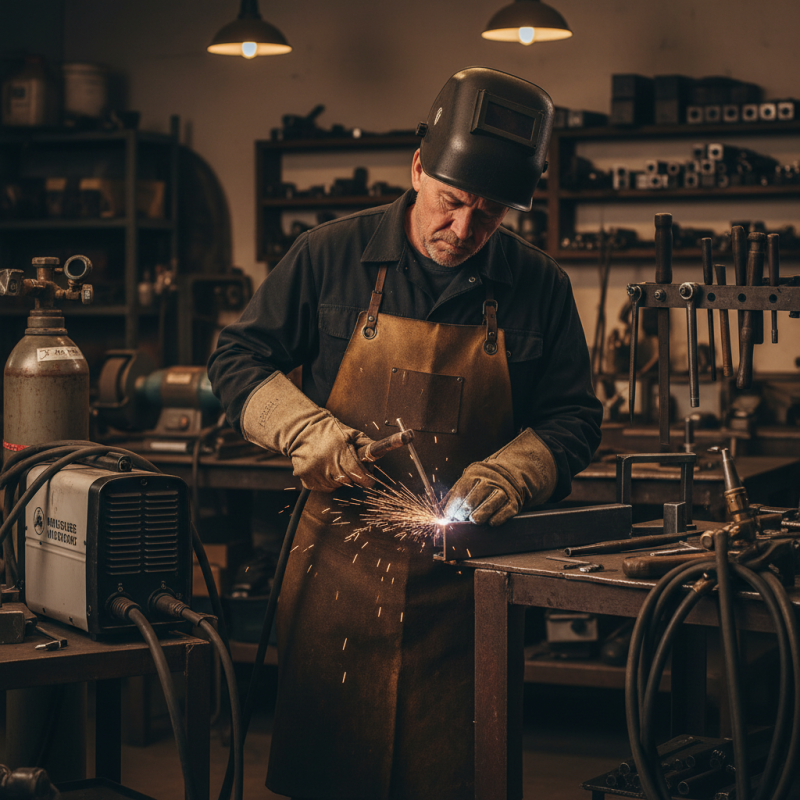
In the world of manufacturing and construction, Traditional Welding Equipment plays a pivotal role. Expert welder John Smith states, “The craftsmanship with traditional tools brings a unique quality that modern methods can't replicate.” His insight reflects a common sentiment among seasoned professionals.
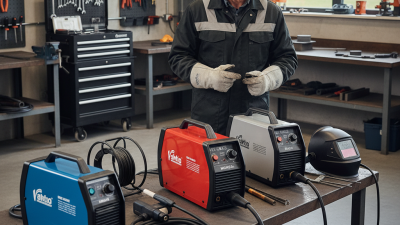
Traditional Welding Equipment encompasses various tools like MIG welders, arc welders, and gas torches. These tools offer reliability and durability. Many in the industry still prefer them for their simple mechanics and ease of use. However, it is vital to acknowledge that traditional methods can be slower than modern techniques. This hesitance to adopt rapid advancements isn't purely negative; it shows a dedication to craftsmanship.
Moreover, Traditional Welding Equipment provides fidelity in weld joints that younger technologies sometimes fail to deliver. It is this blend of skill and equipment that ensures safety and strength in critical applications. While the growth of innovative technologies looms, traditional equipment maintains its place as a fundamental resource, offering both challenges and rewards.
What is Traditional Welding Equipment?
Traditional welding equipment has long been the backbone of metal fabrication. This equipment encompasses various tools, including arc welders, gas welders, and MIG machines. According to the American Welding Society, the welding industry employs over 600,000 individuals in the U.S., highlighting its importance.
These tools enable welders to join metal parts effectively. Arc welding, for instance, uses an electric arc to fuse metals, creating strong bonds. Gas welding, using fueled flames, offers versatility in thin materials. Industry reports indicate that traditional welding methods still account for approximately 60% of all welding applications.
Tips: Safety is crucial. Always wear protective gear. Regularly check your equipment for wear and tear. This maintenance prevents accidents and improves performance. It’s essential to keep upgrading skills too. As technology evolves, being informed about newer methods can enhance efficiency.
Despite its advantages, traditional welding has limitations. It requires skill and experience to master. New welders might struggle with techniques, leading to defects like weak joints. Continuous training is vital. Embracing both traditional and modern methods can result in improved outcomes.
Types of Traditional Welding Equipment and Their Functions
Traditional welding equipment includes several essential tools with distinct functions. One common type is the MIG welder, which uses a continuous wire feed to join metal pieces. It’s popular for its speed and ease of use. Many beginners favor this tool, yet mastering its settings requires practice and skill. Still, some may struggle with inconsistent heat settings, resulting in poor weld quality.
Another vital tool is the TIG welder. This machine offers more precision, ideal for thin materials. Welders use a non-consumable tungsten electrode, which can create clean and strong joints. However, TIG welding demands a high level of control and technique. For novices, learning this method can feel overwhelming, especially with its slower pace.
Stick welding is also noteworthy. It’s versatile and effective for outdoor projects. This method uses a flux-coated electrode, which protects the weld pool. Yet, it can produce slag that requires cleanup. This sometimes deters users who prefer a tidier process. Overall, each type of traditional welding equipment has unique benefits and challenges, requiring users to choose the right method for their specific needs.
What is Traditional Welding Equipment and Its Benefits?
This chart illustrates the benefits of different types of traditional welding equipment based on their usage and effectiveness in various applications.
Key Benefits of Using Traditional Welding Equipment
Traditional welding equipment offers numerous benefits that are vital in various industries. One key advantage is durability. Many of these tools have stood the test of time. They often require less maintenance compared to modern alternatives, which can vary in reliability. Skilled welders appreciate the simplicity in using conventional devices. For them, this means fewer operational complications.
Another benefit is the ease of access. Traditional equipment is widely available. This accessibility makes it easy to find replacement parts. Welders can quickly fix issues without long downtimes. Various welding techniques, such as MIG and TIG, still rely on this equipment. Each method requires specific tools, but traditional setups remain versatile.
Cost-effectiveness is a significant aspect. Traditional welding gear usually comes at a fraction of the cost of advanced machinery. This affordability allows small businesses to engage in quality welding projects. However, some may struggle with outdated features. Finding a balance between cost and functionality requires thoughtful consideration. It's essential to weigh the benefits against the limitations.
What is Traditional Welding Equipment and Its Benefits? - Key Benefits of Using Traditional Welding Equipment
| Equipment Type |
Description |
Benefits |
Common Applications |
| Arc Welder |
A machine that uses an electric arc to melt metals and fuse them together. |
High welding speed, suitable for thick materials, versatile in terms of applications. |
Construction, metal fabrication, and repair work. |
| MIG Welder |
Uses a wire feed process for welding, providing continuous welding wire. |
Easy to use, minimal cleanup, good for thin metal sheets. |
Automotive repairs, light fabrication. |
| TIG Welder |
Produces high-quality welds using a non-consumable tungsten electrode. |
Produces precise and clean welds, ideal for thin materials. |
Aerospace, piping, and artistic welding projects. |
| Stick Welder |
Uses a consumable electrode coated in flux to create the weld. |
Highly portable, effective in outdoor settings, can weld multiple materials. |
Maintenance and repair, steel structures. |
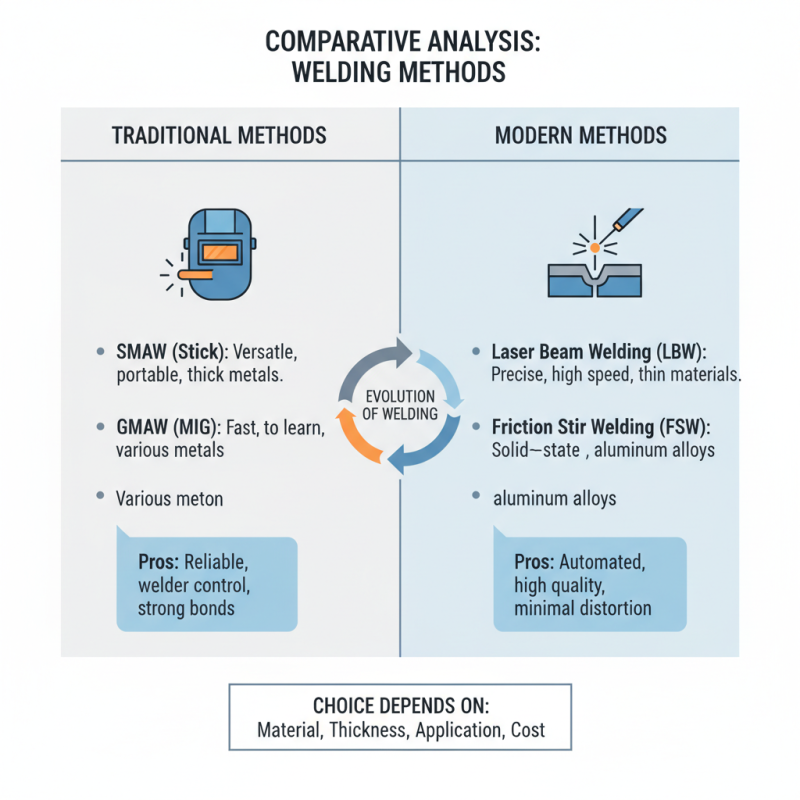
Comparative Analysis: Traditional vs. Modern Welding Methods
Traditional welding methods, like Shielded Metal Arc Welding (SMAW) and Gas Metal Arc Welding (GMAW), serve specific purposes in various industries. These techniques have stood the test of time for their reliability and versatility. Welders often appreciate the control they have over the welding process, allowing for adjustments based on material thickness and type. This hands-on approach creates a strong bond that can be crucial for structural integrity.
Modern welding methods offer advancements such as automation and precision. Techniques like Laser Beam Welding (LBW) and Electron Beam Welding (EBW) boast high-speed operations and minimal heat distortion. However, these methods can face limitations in terms of material selection and initial setup costs. Traditional methods, while sometimes slower and requiring more skill, allow for repairs and less stringent setup, making them accessible in many scenarios.
Yet, even traditional techniques can be challenging. Skill level varies among welders, leading to inconsistencies. Additionally, safety concerns persist with spatter and fumes. These factors highlight the need for continuous training and safety assessments. Navigating this landscape requires a balance of embracing modern practices while acknowledging the strengths and weaknesses of traditional methods.
Safety Measures and Best Practices in Traditional Welding Techniques
In traditional welding, safety measures are crucial. Around 40% of welding injuries stem from inadequate protective equipment. Proper gear, such as helmets and gloves, is vital in reducing these risks. The American Welding Society emphasizes the importance of personal protective equipment (PPE) for welders to safeguard against burns and eye damage.
Best practices go beyond wearing gear. Ventilation is essential to minimize fumes. Insufficient airflow can lead to respiratory issues, impacting a welder's health in the long run. Statistics show that more than 30% of welding professionals experience lung-related diseases. Having a well-ventilated workspace can significantly lower these risks.
Training also plays a key role. Many injuries occur due to a lack of knowledge about traditional techniques. Continuous training can improve safety awareness and skill proficiency. This proactive approach addresses potential hazards before they become serious. Emphasizing safety does not eliminate the challenges of welding, but it enhances overall work conditions.