2026 Top Trends in Thin Plate Precision Welding Techniques?
The realm of Thin Plate Precision Welding is witnessing transformative trends as we approach 2026. Advances in technology are reshaping techniques and improving outcomes. These developments promise enhanced accuracy and efficiency, catering to industries that demand high-quality welds.
Recent innovations emphasize automation and precision. Integrating robotics and advanced controls minimizes human error. However, the reliance on technology poses questions about skill retention in the workforce. While we can expect greater consistency, the potential for over-dependence exists.
Materials are also evolving. Emerging alloys and composites call for new welding methods. Adapting to these materials challenges traditional practices. Specialists must continually learn and refine their skills, navigating an ever-changing landscape. This blend of innovation and ongoing education defines the future of Thin Plate Precision Welding.
Emerging Technologies in Thin Plate Precision Welding for 2026
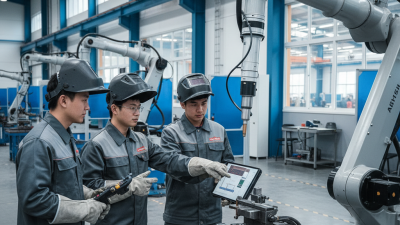
Thin plate precision welding is evolving quickly. In 2026, several emerging technologies promise to enhance efficiency and accuracy. One notable trend is the use of advanced robotics. These systems provide consistency and reduce human error. Robots equipped with AI can adapt to different materials and thicknesses on the fly. They may redefine production lines, making them smarter and more flexible.
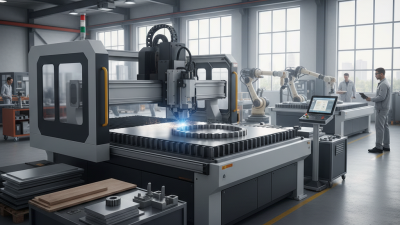
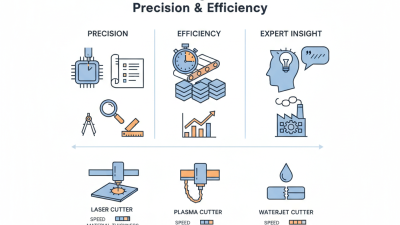
Another significant development is the integration of laser welding techniques. Lasers offer precise control over heat input. This precision reduces warping and improves joint quality. Combined with real-time monitoring, operators can ensure better outcomes. However, this technology can be costly and requires skilled personnel to manage it. The initial investment might deter some businesses, resulting in uneven technology adoption.
Additionally, the focus on sustainability is shaping welding practices. Environmentally friendly materials and processes are gaining traction. Companies are under pressure to reduce their carbon footprints. This shift may lead to innovation in both techniques and materials. However, the transition can be challenging. New processes may lack proven reliability. These factors could slow down widespread acceptance. Ultimately, while the future looks bright, careful planning is essential.
2026 Top Trends in Thin Plate Precision Welding Techniques
| Trend |
Description |
Impact on Industry |
Expected Adoption Rate |
| Laser Welding |
Utilization of high-powered lasers for precise joining of thin materials. |
Increased efficiency and reduced thermal distortion. |
Approximately 35% |
| Robotic Welding Systems |
Integration of robotics for enhanced precision and speed. |
Significant labor cost reduction and improved accuracy. |
Around 40% |
| Hybrid Welding Techniques |
Combining different welding methods for greater flexibility. |
Enhanced material compatibility and a wider range of applications. |
Estimated 30% |
| Additive Manufacturing in Welding |
Leveraging 3D printing techniques within welding processes. |
Opens new dimensions in complex geometries and repairs. |
Projected at 25% |
| Smart Welding Technology |
Deployment of IoT and AI to monitor and control welding processes. |
Real-time quality control and predictive maintenance. |
Approximately 50% |
Advancements in Laser Welding Methods for Thin Plate Applications
Laser welding techniques for thin plates are evolving rapidly. These advancements enhance joint quality and efficiency. Precision laser welding minimizes heat-affected zones. This means less distortion and better material integrity. Manufacturers appreciate the ability to weld complex geometries with higher accuracy.
Recent innovations focus on integrating automated systems. Automation speeds up production and reduces human error. However, this reliance raises concerns about skill gaps in the workforce. As machines take on more tasks, operators need advanced technical training.
Higher laser powers and improved optics are key developments. These tools allow for faster welding speeds while maintaining excellent control. Yet, the risk of over-penetration remains. Proper calibrations are crucial for successful outcomes. Continuous evaluation of techniques is essential to mitigate potential flaws. Balancing speed and precision will define future trends in thin plate welding.
Robotic Automation Trends in Thin Plate Precision Welding processes
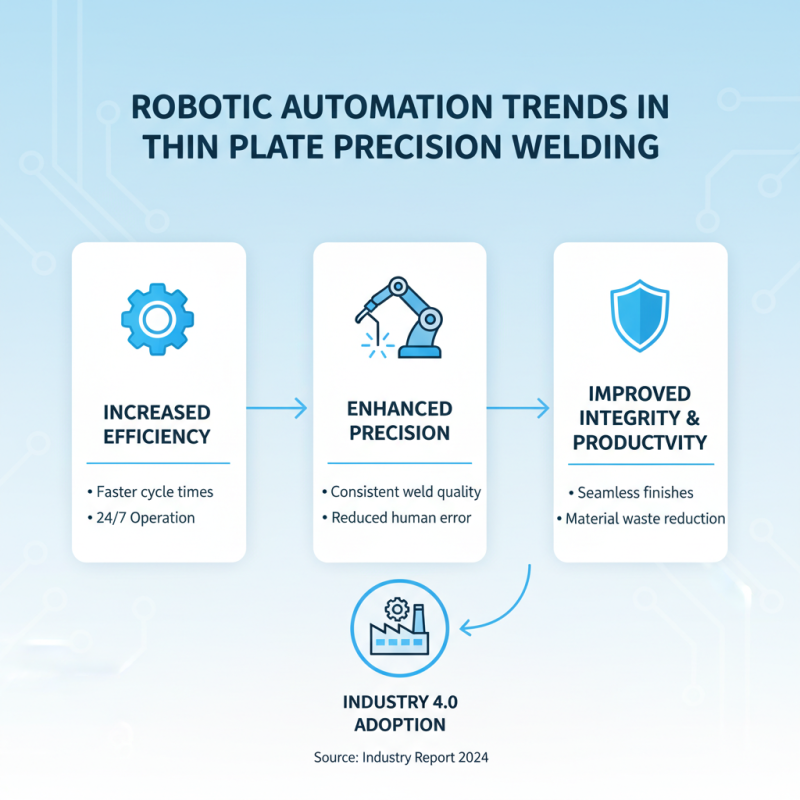
The landscape of thin plate precision welding is evolving rapidly with advancements in robotic automation. Today, industries demand high efficiency and consistency in welding processes. Robotic systems are increasingly utilized for their precision and reduced human error, which is essential in applications requiring a seamless finish. These machines improve productivity while maintaining the integrity of the weld.
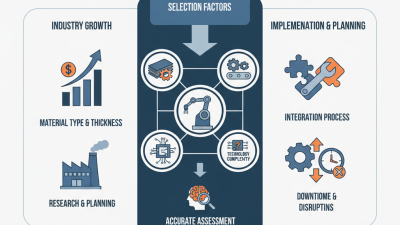
One key to success is proper programming of robotic welders. Ensure that the input parameters are accurately set to reflect material type and thickness. The wrong settings can lead to poor weld quality. Regularly revisiting your programming methods can reveal areas for improvement.
Another aspect to consider is the integration of sensors into welding processes. Sensors provide real-time feedback, allowing immediate adjustments to welding parameters. This can reduce waste and ensure optimal results. However, too much reliance on automation may lead to overlooking manual inspection processes, which can be critical for quality assurance. Balancing automation with human oversight creates a robust welding process.
Material Considerations for Enhanced Thin Plate Welding Techniques
Advancements in thin plate welding techniques are heavily influenced by material considerations. Selecting the right materials can significantly enhance the quality and durability of welds. For example, materials with higher melting points can provide better performance under heat. Conversely, softer materials may present challenges during the welding process. Understanding the properties of different metals is crucial for successful welding.
When working with thin plates, consider the thickness and type of materials involved. Too much heat can warp or distort thin metal. Therefore, it's essential to adjust the welding parameters accordingly. This can lead to inconsistencies in the weld quality. Preheating the material might help in some cases. Always test your techniques on scrap pieces.
Tips: Use filler materials wisely. They can improve the weld’s strength but may complicate the process. Always stay informed about the latest research in welding materials. This knowledge can drive future innovations. Keeping an eye on evolving technologies ensures you remain competitive. Embrace mistakes; they often reveal valuable lessons for enhancing your technique.
Quality Control Innovations in Thin Plate Welding for Future Applications
Quality control in thin plate precision welding is crucial. It determines the longevity and reliability of welded joints. Recent reports show that up to 30% of welds in critical applications may fail due to inadequate inspection methods. This statistic underscores the need for innovative quality control techniques in thin plate welding.
In 2026, we anticipate advancements such as real-time monitoring systems. These systems use sensors to detect anomalies during the welding process. Additionally, artificial intelligence can analyze data from previous welds to predict potential failures. Such innovations could reduce failure rates by as much as 25%. However, these technologies are not without challenges. Integrating new systems into existing processes requires investment and training.
Moreover, the focus on sustainability will drive developments in quality control. Manufacturers are expected to adopt eco-friendly inspection methods. This shift may introduce inconsistencies in the short term. The transition period could strain resources. Ultimately, balancing innovation with reliability will define the future of thin plate precision welding.