How to Choose the Best CNC Rotary Cutter for Your Needs?
Choosing the best CNC Rotary Cutter for your needs can be a complex task. The CNC machining industry is evolving rapidly. In 2021, the global CNC market was valued at approximately $63 billion. It is expected to grow significantly in the coming years. A reliable CNC Rotary Cutter can greatly impact your productivity and precision.
When selecting a CNC Rotary Cutter, consider important factors such as material compatibility and cutting speed. Reports indicate that 70% of manufacturers emphasize these aspects in their purchasing decisions. However, choosing the right tool is often overlooked, leading to inefficiencies. Many users admit to experiencing frustration when their CNC Rotary Cutter does not meet expectations.
In conclusion, thorough research and analysis are vital when selecting a CNC Rotary Cutter. Consider expert reviews and reputable sources for guidance. Your choice will ultimately define your machining success. Exploring various options allows for a better fit for your specific needs.
Factors to Consider When Selecting a CNC Rotary Cutter
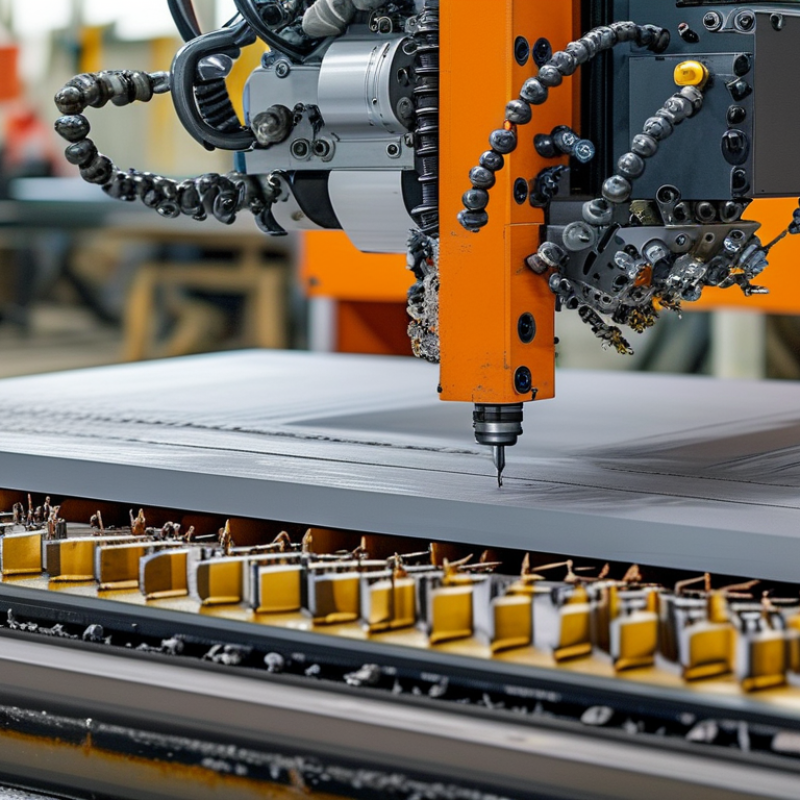
When selecting a CNC rotary cutter, several key factors come into play. Understanding the material types you will be cutting is essential. Different materials—like wood, plastic, or metal—require distinct cutting tools. According to a report by Market Research Future, the CNC milling tools market is projected to grow by 4.5% annually. Knowing this can help prioritize the appropriate cutter for your needs.
Another crucial factor is the cutter's size and speed capabilities. Compact cutters may improve precision in tight spaces, while larger cutters are necessary for heavy-duty tasks. Choose a cutter with adjustable speed settings. This flexibility allows you to adapt to varying material densities and achieve optimal results. Selecting the right spindle speed can directly influence your cutting efficiency and quality.
Tip: Regular maintenance of your CNC rotary cutter is vital. Inspect the cutting edges for wear and replace them as needed. Neglected maintenance can lead to subpar performance, affecting your overall project outcomes. Additionally, consider how user-friendly the machine is. A steep learning curve may slow down productivity, but a more intuitive design can enhance workflow.
Comparison of CNC Rotary Cutter Features
This chart compares key features of CNC rotary cutters such as cutting speed, max cutting thickness, weight, power consumption, and price. When choosing a CNC rotary cutter, it's important to consider these factors to meet your needs effectively.
Types of CNC Rotary Cutters and Their Applications
When choosing a CNC rotary cutter, understanding the different types is essential. There are various models available, each tailored for specific applications. For instance, end mills are excellent for precise detailing on metals, while ball nose cutters provide curvature and can achieve intricate shapes in 3D projects. This distinction is crucial, as using the wrong cutter can lead to subpar finishes or tool damage.
Another type is the straight cutter, known for its versatility. It is often used for straight cuts and can handle different materials such as wood, plastics, and soft metals. However, this might not suit every task, and some users find their performance lacking in more complex operations. As you explore options, consider what tasks you perform most frequently.
Finally, specialty cutters serve specific functions and can enhance creativity. They may allow for engraving or unique cut patterns. Yet, relying too heavily on specialized tools may limit adaptability across projects. Seek a balance between general-purpose and specialized options, matching them to your specific needs and skills in crafting.
Material Compatibility with Different CNC Rotary Cutters
When selecting a CNC rotary cutter, material compatibility is a key factor. Different rotary cutters are designed for specific materials, including wood, metal, plastic, and composites. Understanding the properties of each material can guide your choice. For instance, cutting aluminum requires a specific tool with sharp, durable edges. In contrast, wood is more forgiving and can be cut with various cutter designs.
It’s not just about the material type. Thickness and density matter too. A heavy-duty cutter works better for dense materials, while lighter cutters suit softer materials. Each material's grain and structure can affect the cutting process. Experimentation may be needed, as results can vary based on your machine and settings.
Consider the cutter geometry as well. Straight blades excel in clean cuts for softer materials. However, spiral or ball-nose cutters may be necessary for intricate designs on tougher materials. Trial and error can lead to unexpected challenges. Learning from mistakes is part of the process. Each attempt can improve your skills and knowledge, ensuring better results over time.
How to Choose the Best CNC Rotary Cutter for Your Needs? - Material Compatibility with Different CNC Rotary Cutters
| Material Type |
Cutter Type |
Recommended RPM |
Feed Rate (in/min) |
Cutting Depth (inches) |
| Wood |
End Mill |
10000 - 12000 |
20 - 30 |
0.25 |
| Acrylic |
Spiral Cutter |
15000 - 18000 |
30 - 40 |
0.125 |
| Aluminum |
Ball Nose Cutter |
8000 - 10000 |
10 - 15 |
0.2 |
| Steel |
Solid Carbide Cutter |
6000 - 8000 |
5 - 10 |
0.1 |
| Composites |
Router Bit |
10000 - 12000 |
15 - 25 |
0.15 |
Understanding CNC Rotary Cutter Specifications and Features
When selecting a CNC rotary cutter, understanding its specifications and features is vital. Key specifications include cutting diameter, spindle speed, and material compatibility. Each aspect plays a significant role in the cutter’s performance. For instance, a higher spindle speed typically translates to smoother cuts and faster production rates. However, higher speeds may also increase wear and tear, requiring a balance between efficiency and tool longevity.
Safety features are another crucial factor. Many CNC rotary cutters come with built-in safety systems to protect operators. This includes automatic shut-off mechanisms and blade guards that reduce the risk of accidents. Evaluating these safety features can sometimes be overlooked. Yet, they are essential for a productive and safe working environment.
Material choice also impacts performance. Different materials may require specific cutter geometry or coating to achieve optimal results. Poor fit can lead to inefficient cuts or tool damage. Testing a few variations may reveal the best option for your needs, but this can be time-consuming. You might find that the right choice isn’t always immediately clear. It’s an ongoing process of learning and adaptation that enhances overall cutting efficiency.
Maintenance Tips for Optimal Performance of CNC Rotary Cutters
CNC rotary cutters are essential tools in modern manufacturing. Proper maintenance is key to their performance. Regular inspections help identify issues before they become major problems. Operators should monitor the cutting edges for wear and tear. Studies show that dull blades can increase production time by 20%. Regularly changing these blades can keep production efficient.
Cleaning the cutter after use is crucial. Residue buildup can lead to uneven cuts. Manufacturers recommend using a soft brush and specialized cleaner. This ensures the longevity of the tool. In addition, check the lubrication system. Insufficient lubrication can cause excessive wear. A report from the CNC Alliance indicates that proper lubrication can extend machine life by 30%.
Training personnel on maintenance practices is vital. Skilled operators can enhance the lifespan of the cutters. They should be aware of the common signs of wear. In many shops, maintenance is often overlooked. This can lead to costly downtime. Regular training sessions can mitigate these risks and improve overall operation.