How to Choose the Best Automatic Welding Equipment for Your Needs?
Choosing the right Automatic Welding Equipment is crucial for efficiency and quality in welding projects. The global welding equipment market was valued at approximately $22 billion in 2022 and is expected to grow steadily. This surge reflects the growing demand for advanced welding technologies across various industries. However, selecting the best equipment can be challenging.
Not all Automatic Welding Equipment is created equal. Factors such as machine type, automation level, and functionality play significant roles in the selection process. For instance, MIG and TIG welding machines serve different purposes and require distinct operational skills. A report by the International Institute of Welding notes that improper equipment selection can lead to increased operational costs and project delays.
Welders often face dilemmas when weighing cost against performance. Some may opt for cheaper models that compromise quality. Others invest heavily but struggle with technical complexities. Reflecting on these choices is essential for long-term success. Downtime from equipment failure can greatly impact productivity, emphasizing the importance of informed decisions.
Understanding Different Types of Automatic Welding Equipment
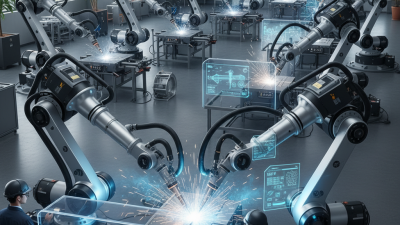
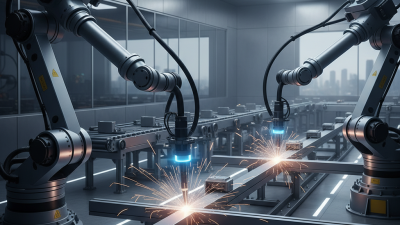
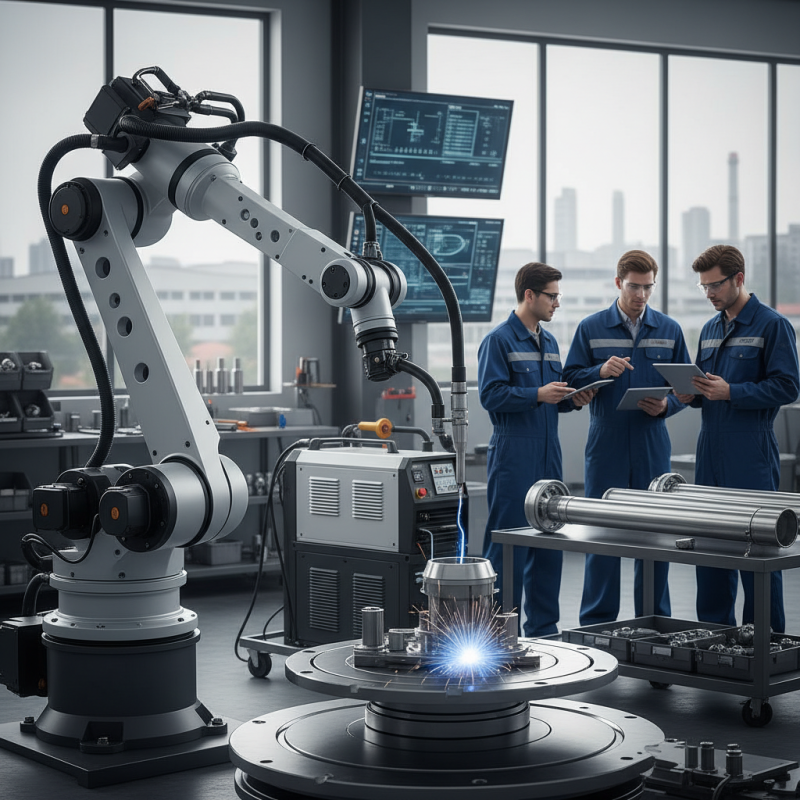
When selecting automatic welding equipment, understanding the various types is essential. There are different categories, each tailored for unique welding applications. For instance, robotic welding systems excel in high-volume projects. They ensure precise and consistent welds, reducing human error. These systems are ideal for production lines where speed and quality are paramount.
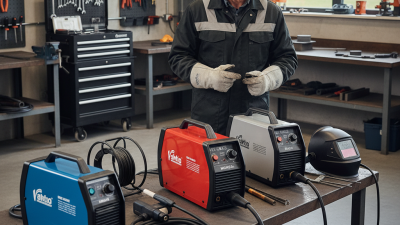
Another type is the automatic TIG welder. This equipment is perfect for intricate tasks. The controlled heat and precise feed allow for clean, strong welds. Users often overlook the importance of desktop plasma welders, which provide flexibility for small-scale jobs. Each option has its strengths and weaknesses, requiring careful consideration.
Choosing the right equipment can be challenging. You might find a feature appealing, only to realize it doesn't fit your needs. It's crucial to assess your specific projects before committing. Consider factors such as material type, thickness, and work environment. Ultimately, investing time in research can lead to better decisions, saving money in the long run.
Key Features to Consider When Selecting Welding Machines
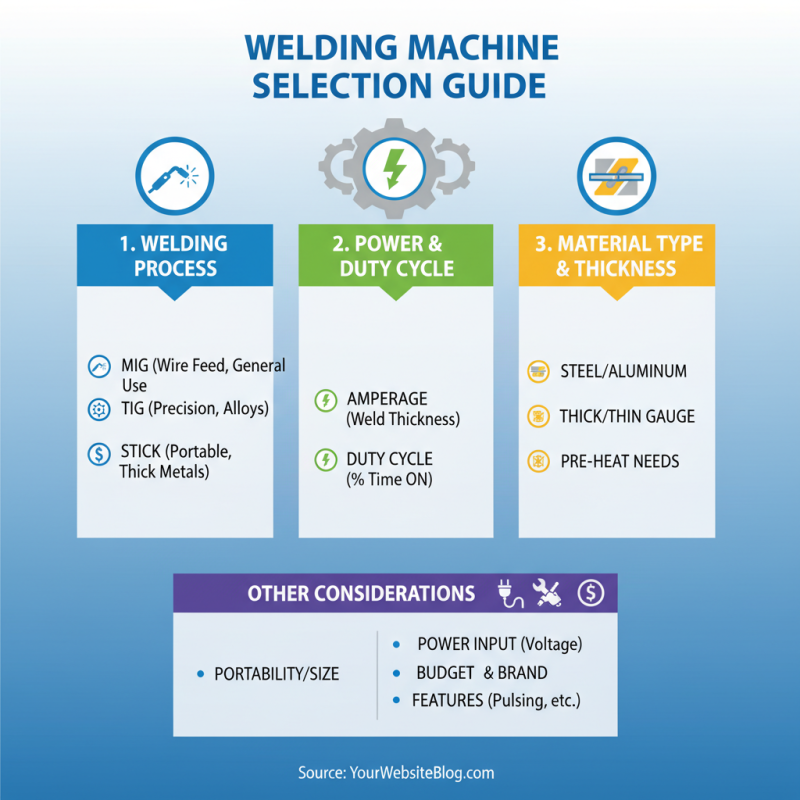
Choosing the right automatic welding equipment requires careful consideration of several key features. The type of welding process you intend to use is paramount. Each process, whether MIG, TIG, or stick welding, has its unique requirements and equipment specifications. Understanding the characteristics of each type helps narrow down your options significantly.
Another critical factor is power output. Different projects demand different wattages. For instance, light-duty tasks may only require 120 amps, while heavy industrial work demands much more. Always ensure the equipment can handle the thickness of materials you’ll be working with. Additionally, portability is worth pondering. If you plan to move your equipment frequently, weight and design will impact your work efficiency.
Don't overlook the machine's duty cycle. It determines how long you can operate the welder before it needs a rest. A higher duty cycle is beneficial for prolonged tasks. Lastly, assess the accessories included with the machine. Some units come with necessary tools, while others do not. You may find yourself lacking the essentials if you don’t check. As you evaluate these features, reflect on your unique welding needs. What works for one situation may not suit another.
Evaluating Your Specific Welding Needs and Project Requirements
Choosing the right automatic welding equipment begins with understanding your specific needs. Consider the type of materials you will work with. Different metals, such as steel and aluminum, require different approaches. Reflect on the thickness of the materials as well; thicker materials often need more robust equipment.
Next, evaluate your project requirements. What is the scale of your projects? Are they small repairs or large industrial tasks? This will influence the power and size of the equipment you should select. Also, think about the frequency of use. Occasional welding might not necessitate the same equipment as daily, heavy-duty welding.
Don’t overlook safety features and ease of use. Reliable automatic welding equipment must have protective mechanisms in place. Ergonomically designed tools can reduce fatigue during extended use. Having the right equipment is crucial, but it's also about matchless skill. Consider training opportunities to enhance your welding capabilities. Different equipment requires different techniques. Reflect on how comfortable you feel adopting new technologies and methodologies in welding.
Budgeting for Automatic Welding Equipment: Cost vs. Benefit
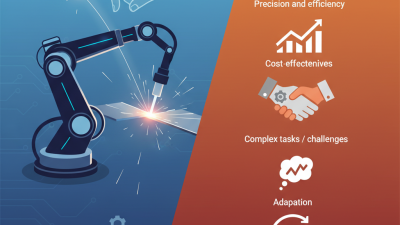
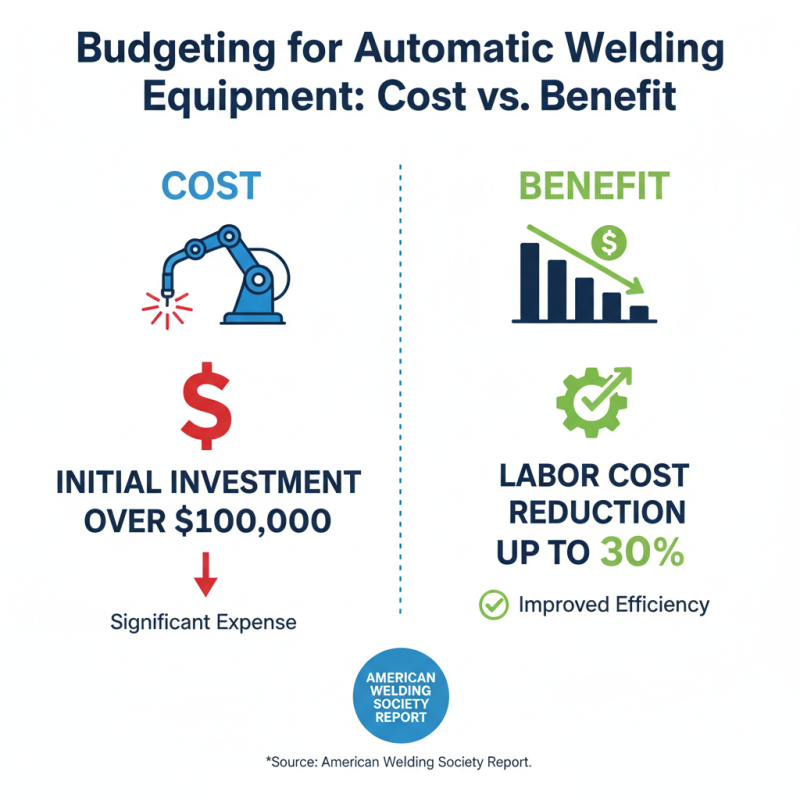
When considering automatic welding equipment, budgeting is a critical factor. A recent report from the American Welding Society indicates that automatic welding can reduce labor costs by up to 30%. However, the initial investment in such equipment often exceeds $100,000. This significant expense raises important questions about cost versus benefit.
Many businesses struggle to justify the upfront costs against potential savings. A well-calibrated machine may require six months to two years to realize a return on investment. Factors include not only the purchase price but also maintenance costs, training, and operational efficiency. Choosing the right equipment involves assessing long-term productivity gains against these upfront and ongoing costs.
Moreover, different applications yield varying levels of return. A study found that industries like automotive and aerospace yield higher efficiencies than others. For instance, automakers report an up to 50% increase in welding speed with automation. Yet, not all sectors will experience similar benefits. Miscalculating these variables can lead to financial strain. Businesses must assess their specific needs and potential output before committing resources.
Maintenance and Support Services for Welding Equipment
When considering automatic welding equipment, maintenance and support are crucial. Regular maintenance keeps the equipment in peak condition. It minimizes downtime, ensures safety, and prolongs the life of your machinery. Always review the manufacturer’s guidelines for routine checks.
Support services should include responsive technical assistance. With welding equipment, issues can arise unexpectedly. A reliable support team can help troubleshoot problems quickly. This aspect is often overlooked but can greatly impact your workflow. You might find yourself needing urgent repairs when working on important projects.
Having access to trained professionals is essential. They provide advice on best practices and preventive maintenance. A skilled technician can identify potential issues before they escalate. Sometimes, companies underestimate the value of having support services until a crisis occurs. Investing in these services pays off in the long run.
Maintenance and Support Services for Welding Equipment