request to quote
Leave Your Message

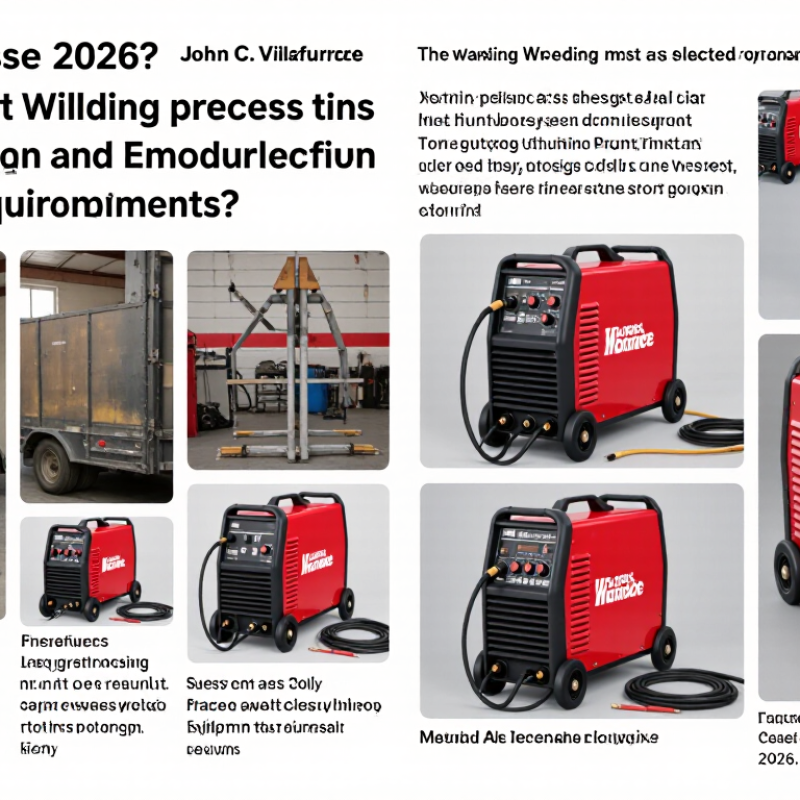
How to Choose Traditional Welding Equipment in 2026?

Choosing Traditional Welding Equipment in 2026 requires more than comparing prices, power ratings, or familiar brand names. Workshops still depend on shielded metal arc welding, gas welding, manual cutting, and other proven methods. Yet equipment built for yesterday’s production floor may not suit today’s safety expectations, energy costs, or repair schedules. A heavy transformer welder can remain dependable, but its weight and electricity demand deserve honest consideration.

John C. Villafuerte, welding engineer and author of Modern Welding Technology, has emphasized, “The welding process must be selected according to the material, joint design, and production requirements.” This principle remains practical. A farm repair shop may value a rugged stick welder that starts reliably beside a dusty trailer. A fabrication plant may need stable arc control, accurate current adjustment, and easier maintenance. The best choice depends on real work.

Small details matter. Check duty cycle under actual operating conditions, not only the label. Inspect cable flexibility, electrode-holder quality, grounding connections, and ventilation needs. Ask whether replacement parts are available locally. That question can prevent weeks of downtime.

Safety cannot be treated as an accessory. Look for thermal protection, insulated handles, clear controls, and suitable screens. Training matters too. Even excellent Traditional Welding Equipment can produce weak joints when settings, preparation, or technique are inconsistent.

Some choices will remain uncertain. Newer technology may reduce operating costs, while traditional machines may offer simpler repairs. Neither option wins automatically. This guide examines those trade-offs carefully, using workshop experience, technical specifications, and long-term reliability as practical decision points for 2026.
How to Choose Traditional Welding Equipment in 2026?

Define Traditional Welding Methods and Their 2026 Applications

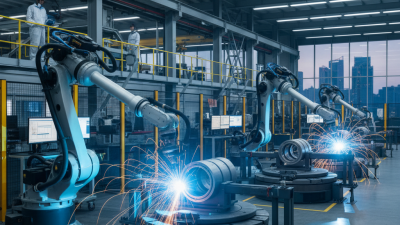
Traditional welding methods are established joining processes that use an arc, flame, or electrical resistance. They remain practical in 2026, especially where repair, flexibility, and field access matter more than full automation.

Shielded metal arc welding uses coated electrodes and suits outdoor repairs, structural work, and thick steel. Its equipment is portable, but electrodes absorb moisture and require careful storage. Gas metal arc welding feeds continuous wire, supporting faster fabrication in workshops and controlled production areas. It creates less slag, although wind can disturb its shielding gas.

Gas tungsten arc welding produces precise, clean welds on stainless steel, aluminum, and thin components. It is slower and demands steady hand control. Oxy-fuel equipment still serves cutting, heating, and some maintenance tasks, but operators need strict ventilation and fire controls. Resistance welding remains useful for repeated sheet-metal joints when consistent pressure and current are available.

Choosing equipment means matching the process to material thickness, joint design, power supply, duty cycle, and working location. A compact stick welder may outperform a larger system on a remote repair site. In a workshop, wire welding can reduce handling time. My first choice is not always the fastest process. I once favored speed and overlooked cleanup time. A neat weld can still hide poor penetration, so test pieces, qualified procedures, and visual inspection remain essential in 2026.
Assess Material, Thickness, and Joint Requirements

When choosing traditional welding equipment in 2026, start with the material, not the machine’s advertised power. Carbon steel accepts many processes, while stainless steel demands controlled heat and clean preparation. Aluminum transfers heat quickly and often needs a stable arc with careful shielding. Surface condition matters. Rust, paint, oil, or galvanized coatings can distort the arc and contaminate the weld. Remove coatings safely and confirm the base metal before selecting consumables.

Thickness sets the practical range. For 2 mm sheet, excessive current can create burn-through, especially at a slow travel speed. For 10 mm plate, low heat input may leave incomplete fusion. Check the machine’s usable current range, duty cycle, cable capacity, and electrode or wire size. Joint design changes the decision. A tight lap joint differs from a root-gapped butt joint. Fillet welds may suit simple frames, but restrained corners can pull out of alignment. Use fit-up samples and inspect the root, not only the visible cap.

Position also affects equipment choice. Overhead work benefits from controllable output and manageable torch or electrode handling. Long outdoor leads require attention to voltage drop. In workshops, I record settings beside test coupons, then compare bead profile, penetration, and distortion. That habit has exposed mistakes. I still occasionally overestimate a machine’s capacity when a joint looks simple. Manufacturer manuals and current welding standards remain useful, but trial welds reveal conditions they cannot predict.

Compare Welding Machines, Power Sources, and Essential Features

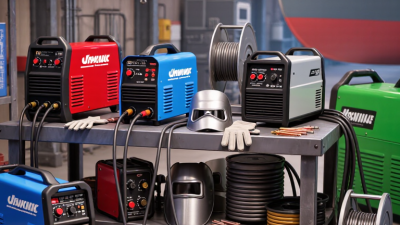
Choosing traditional welding equipment in 2026 starts with the work, not the machine’s appearance. For repair jobs, structural steel, and outdoor maintenance, compare stick, MIG, and TIG machines by material thickness and weld position. A stick welder handles rusty steel and windy conditions better. MIG equipment works faster on clean plate, but it needs shielding gas and careful wire feeding. TIG delivers precise control for thin stainless steel, although it demands more skill and time. The power source matters just as much. Transformer units are rugged and simple, while inverter units are lighter and usually offer steadier arc control. Check input voltage, amperage range, duty cycle, and generator compatibility before buying.

Look closely at practical features. A stable low-amp output helps prevent burn-through on thin sheet. Hot-start and arc-force controls can improve electrode ignition and reduce sticking. Thermal protection, clear meters, strong cable connections, and an accessible ground clamp support safer daily work. Longer leads may improve access, but excessive length can cause voltage loss. I once selected a machine with an impressive duty cycle, then discovered its short leads slowed work around a large frame. That was my mistake. Specifications need job-site testing. Ask whether replacement torches, electrode holders, contact tips, and service parts are available locally. Also verify ventilation, electrical protection, and compliance with applicable safety requirements before operation.

How to Choose Traditional Welding Equipment in 2026? - Compare Welding Machines, Power Sources, and Essential Features

Welding Process Typical Machine Type Common Power Source Typical Output Range Suitable Materials Typical Thickness Range Main Advantages Main Limitations
Shielded Metal Arc Welding (SMAW) Stick welder or transformer-rectifier/inverter welder Single-phase or three-phase AC/DC Approximately 20–300 A; many portable units operate at 120–240 V input Carbon steel, stainless steel, cast iron, and some low-alloy steels About 3 mm and above, depending on electrode size and joint design Portable, effective outdoors, tolerant of wind, and suitable for rusty or lightly contaminated surfaces Slag removal is required; lower deposition rate; frequent electrode changes; more operator skill needed
Gas Metal Arc Welding (GMAW/MIG) CV wire-feed welding machine with shielding-gas system Constant-voltage DC output Approximately 30–400 A; input commonly 120, 208, 230, or 460 V Carbon steel, stainless steel, and aluminum with compatible wire and setup Approximately 0.8–12 mm in common workshop applications High productivity, continuous wire feed, low visible slag, and easy integration with fixtures Sensitive to wind, requires gas cylinders and clean surfaces, and is less convenient for remote outdoor work
Flux-Cored Arc Welding (FCAW) Heavy-duty wire-feed welder Constant-voltage DC output; self-shielded or gas-shielded operation Approximately 100–500 A, depending on wire diameter and duty cycle Carbon steel and low-alloy steel; specialized wires are available for other alloys Approximately 3–25 mm in fabrication and structural work High deposition rate, good penetration, and self-shielded wire can perform outdoors without external gas Produces slag and fumes; wire is more expensive than solid wire; settings require careful control
Gas Tungsten Arc Welding (GTAW/TIG) AC/DC TIG machine with high-frequency or lift-start ignition Constant-current AC/DC output Approximately 5–300 A for many manual applications Stainless steel, aluminum, carbon steel, copper, titanium, and nickel alloys Approximately 0.5–6 mm for many manual applications Excellent arc control, clean welds, precise heat input, and strong appearance on thin materials Slower process, higher operator skill requirement, gas consumption, and lower deposition rate
Engine-Driven Welder-Generator Fuel-powered welding generator with auxiliary electrical outlets Engine-generated AC/DC; some models provide auxiliary single-phase power Approximately 130–500 A; output depends on engine size and duty cycle Primarily carbon steel and low-alloy steel; process capability depends on the installed welding module Commonly 3 mm and above for field fabrication and repair Independent of utility power, practical for construction sites, and useful for powering tools Fuel, noise, exhaust, maintenance, and greater weight; ventilation is essential indoors

Essential Features to Compare in 2026

Feature What to Check Why It Matters Practical Selection Guidance
Rated Output and Duty Cycle Amperage at a stated duty cycle, commonly measured over a 10-minute period Determines how long the machine can weld before thermal protection activates Choose a machine whose rated output exceeds the normal working current, especially for continuous production
Input Voltage and Phase Available voltage, phase configuration, input current, and plug or hard-wiring requirements Prevents installation problems, nuisance trips, and insufficient electrical capacity Verify the workshop or job-site supply before selecting the machine; do not rely only on maximum output ratings
AC/DC and Polarity Selection AC, DC electrode positive, DC electrode negative, and polarity-change capability Different electrodes, materials, and processes require different current types and polarities Select AC/DC capability when working with varied electrodes, aluminum, or multiple welding processes
Arc-Start and Arc-Control Functions Hot start, arc force, anti-stick, adjustable inductance, crater fill, and high-frequency start where applicable Improves starting reliability, reduces electrode sticking, and helps control spatter and arc stability Prioritize simple, clearly labeled controls that match the operators’ skill level and process requirements
Wire-Feed Compatibility Supported wire diameters, spool sizes, feeder type, drive-roll configuration, and gun connections Ensures consistent wire delivery and compatibility with solid, flux-cored, or aluminum wire Check whether the feeder supports the wire sizes and materials used most often
Portability and Enclosure Protection Machine weight, carrying handles, wheel kit, cable storage, and protection from dust or moisture Affects transport, setup time, reliability, and suitability for field work Use compact inverter equipment for frequent movement, while heavier transformer units may suit fixed workshop locations
Thermal Protection and Cooling Thermal overload protection, fan cooling, temperature indicators, and airflow design Protects internal components and reduces unplanned downtime during demanding work Keep air inlets clean and allow adequate clearance; avoid operating continuously beyond the rated duty cycle
Safety and Compliance Grounding provisions, overcurrent protection, insulation, ventilation requirements, and applicable local certifications Reduces electric-shock, fire, fume, and equipment risks Follow local electrical and workplace-safety rules, and use correctly rated leads, holders, clamps, PPE, and ventilation
Serviceability and Parts Availability Access to consumables, replacement cables, contact tips, liners, fuses, fans, and technical documentation Affects lifetime operating cost and repair time Evaluate total ownership cost, not only purchase price; standard consumables generally simplify maintenance
Note: The ranges shown are typical industry values for manual welding equipment. Actual performance depends on electrode or wire diameter, material, joint design, shielding gas, ambient conditions, input power, and the machine’s rated duty cycle.

Choose Compatible Electrodes, Torches, Cables, and Safety Gear

In 2026, traditional welding equipment still depends on compatibility, not appearance. Match the electrode classification to the base metal, joint position, and power source. A low-hydrogen electrode may require controlled storage and direct current. Check polarity, amperage range, and diameter before striking an arc. The wrong combination causes unstable arcs, porosity, and wasted material.

The torch must suit the process, gas, connector, and duty cycle. For oxy-fuel work, verify hose color coding, regulator range, flashback protection, and leak tightness. For arc welding, select cables by current, length, insulation rating, and connector size. Thin or excessively long cables create voltage drop and heat. AWS’s 2023 workforce report projected a U.S. shortage of about 330,000 welders by 2027, making reliable setup practices increasingly important.

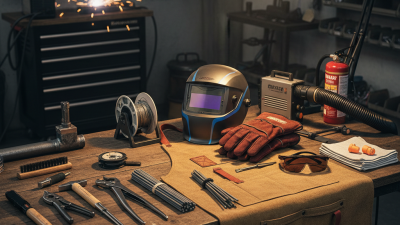
Safety gear needs equal attention. Use a correctly rated helmet shade, flame-resistant clothing, leather gloves, safety boots, hearing protection, and suitable respiratory control. NIOSH lists a recommended exposure limit of 0.2 micrograms per cubic meter for hexavalent chromium, relevant when welding stainless steel. OSHA also identifies fumes, ultraviolet radiation, burns, and electric shock as major hazards. A respirator alone is not a ventilation plan. I would recheck cable heating after several minutes, even when calculations look correct. Workshop conditions are rarely perfect.

Evaluate Operating Costs, Maintenance Needs, and Supplier Support

Choosing traditional welding equipment in 2026 requires more than comparing purchase prices. Operating costs often decide the real value. A transformer-based welder may consume more electricity during long shifts, while a modern inverter can reduce energy use. However, the cheaper machine is not always cheaper to own. Check duty cycle, electrode consumption, cable quality, and expected daily hours. Ask for measured power data, not vague efficiency claims.

Maintenance needs should be visible before installation. Inspect cooling vents, switches, ground clamps, and torch connections during a practical demonstration. Dusty workshops can block airflow quickly. Replacement parts should be common, clearly priced, and available for several years. Keep records of service intervals and repeated faults. Small failures become expensive when they stop a production line. I once focused too heavily on initial price and underestimated downtime. That judgment needed correction.

Supplier support deserves equal attention. A reliable supplier provides operating manuals, safety guidance, technician training, and realistic response times. Request written details about warranty limits, inspection procedures, and spare-part availability. Speak with existing users if possible. Their comments may reveal slow repairs or unclear technical advice. Test the supplier before buying: send a detailed question and measure the response. Fast replies matter. Yet fast replies are not enough if the advice lacks practical depth. A strong evaluation includes a sample service visit, transparent costs, and evidence that technicians understand your materials, workload, and workshop conditions.

How to Choose Traditional Welding Equipment in 2026?

Compare typical annual operating costs, maintenance requirements, and supplier-support ratings before selecting traditional welding equipment. Costs are shown in USD per year, maintenance is estimated in labor hours, and supplier support is rated on a 10-point procurement benchmark.