Top 10 Welding and Cutting Machinery Innovations You Should Know?
In today's fast-paced industrial world, innovations in Welding and Cutting Machinery play a crucial role. These advancements enhance efficiency, safety, and precision in various applications. The demand for high-quality welding and cutting solutions is ever-growing, driven by sectors like manufacturing, construction, and automotive.
Recent innovations have transformed traditional practices. For instance, the introduction of robotics and automation has redefined how we approach welding tasks. The integration of artificial intelligence optimizes parameters for better results. However, with rapid advancements, some may feel overwhelmed by the options available. This makes informed choices essential.
As we explore the top 10 innovations in Welding and Cutting Machinery, it’s important to consider how they can impact your operations. Technologies may promise drastic improvements, but their practical application is what truly counts. Understanding these innovations is key to leveraging their benefits effectively.
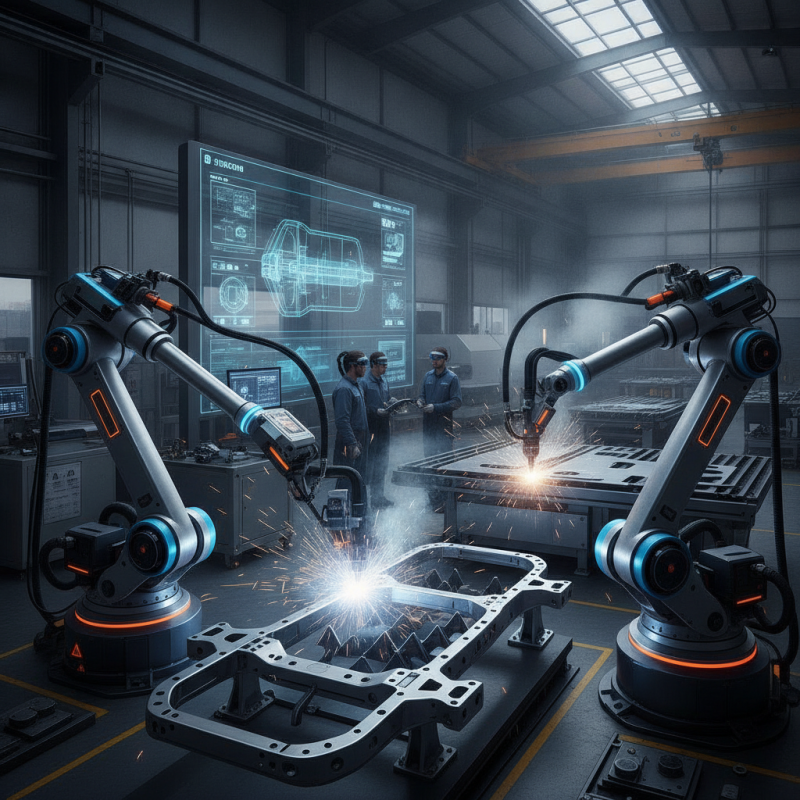
Emerging Trends in Welding and Cutting Technologies
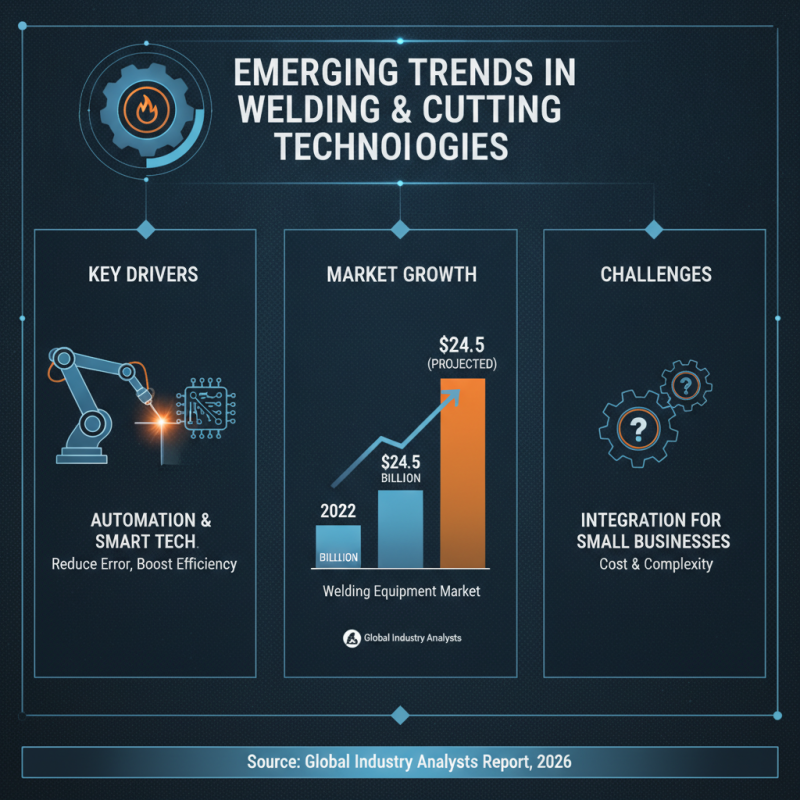
The landscape of welding and cutting technologies is rapidly evolving. Emerging trends focus heavily on automation and smart technologies. According to a report by Global Industry Analysts, the welding equipment market will reach $24.5 billion by 2026, driven by these advancements. Automation reduces human error and increases efficiency. Yet, integrating these systems poses challenges for smaller businesses.
Another significant trend is the adoption of green technologies. Companies strive to meet strict environmental regulations by using cleaner processes. The World Economic Forum indicates that welding processes generate substantial emissions, motivating manufacturers to innovate. These innovations include energy-efficient systems and eco-friendly materials. Despite these beneficial trends, companies face high initial costs and training needs, potentially hindering widespread adoption.
Safety remains a primary concern. Advanced welding equipment now features enhanced safety protocols. According to the American Welding Society, over 40% of welding injuries could be prevented with better technology. Implementing smart systems may reduce accidents significantly, yet adaptation resistance exists within the workforce. Addressing these challenges is crucial for maximizing the benefits of new technologies.
Advancements in Laser Welding Techniques
Recent advancements in laser welding techniques have transformed the landscape of manufacturing. Laser welding is now preferred for its precision and speed. According to a report by the International Institute of Welding, laser welding has gained traction with a growth rate of 15% annually. This technology reduces heat distortion and enhances the quality of welds.
One significant innovation is the development of fiber laser systems. These systems provide higher efficiency and longer lifespans compared to conventional lasers. They cut operational costs while increasing productivity. Industry experts highlight that fiber lasers can achieve welding speeds up to five times faster than traditional methods. This capability raises productivity yet poses challenges in training personnel to manage new systems effectively.
While the benefits are clear, challenges exist. Not all materials suit laser welding. High reflectivity metals can complicate the process. Additionally, the initial investment in equipment can be daunting for small manufacturers. Companies must weigh these factors as they consider integrating new technologies. Finding a balance between innovation and practical application remains crucial in the welding industry.
Robotic Automation in Welding and Cutting Processes
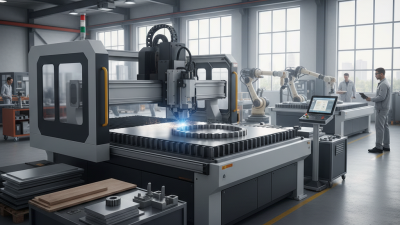
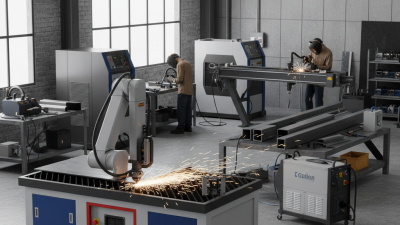
Robotic automation is transforming welding and cutting processes across various industries. This technology enhances precision and efficiency in fabrication tasks. Robots can execute complex welding patterns, ensuring consistent quality. They also minimize the chances of human error, which is crucial in high-stakes environments.
However, integrating robotics into existing workflows poses challenges. Companies must invest in training staff to operate and maintain these machines. There are also concerns about the initial setup costs versus long-term savings. Sometimes, a hybrid approach, combining human oversight with robotic assistance, might be the solution. This balance can lead to both innovation and safety in the workplace.
As businesses evolve, so do their needs. Adaptability is key. While automation improves productivity, it is essential to continually assess technology's impact on your workforce. Regularly reviewing the effectiveness of robotic systems helps identify areas for improvement. This reflection can ensure that automation serves your specific production goals.
Smart Technologies for Quality Control in Welding
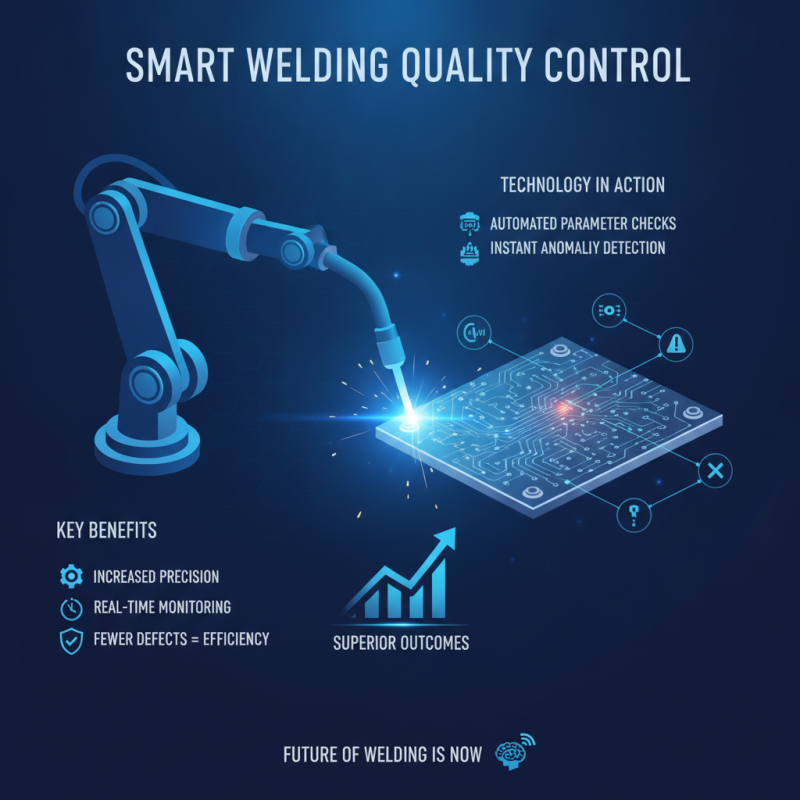
Smart technologies are revolutionizing quality control in welding processes. These innovations enhance precision and reliability in various welding applications. Automated systems now monitor welding parameters in real-time. They can detect inconsistencies immediately, reducing defects. This leads to a more efficient workflow and superior outcomes.
Data analytics plays a crucial role in smart welding technology. By collecting and analyzing data from each weld, companies can identify patterns. This helps in predicting potential issues before they arise. However, interpreting data requires skilled professionals. Over-reliance on technology can sometimes result in missed insights without human intervention.
Another area of innovation is the use of machine learning. Machine learning algorithms can optimize welding processes based on historical data. They continuously improve, enhancing quality over time. Yet, these systems are not flawless. There can be learning biases that affect outcomes. Regular training and data validation are necessary to ensure consistent quality.
Eco-Friendly Innovations in Welding and Cutting Machinery
Innovations in welding and cutting machinery are increasingly focusing on eco-friendliness. Companies are developing machines that minimize energy consumption while maintaining performance. These innovations contribute to reducing carbon footprints in industrial applications.
It’s essential to choose machines with advanced technology, such as high-efficiency plasma cutters and electric welding options. These tools consume less energy and produce fewer emissions. While transitioning to greener solutions, some might face challenges in upfront costs or adapting existing practices. It’s necessary to weigh these factors against long-term savings and environmental benefits.
Consider implementing regular maintenance to enhance machine efficiency. Proper upkeep can lead to reduced waste and prolonged equipment life. Recycling scrap materials is another effective strategy. It not only supports sustainability but can also lower operational costs. While the shift to eco-friendly solutions may seem daunting, the rewards can significantly outweigh initial hurdles.
Top 10 Eco-Friendly Innovations in Welding and Cutting Machinery