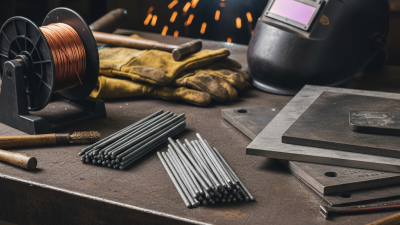
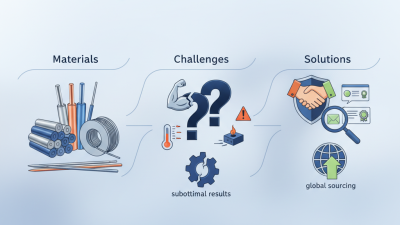
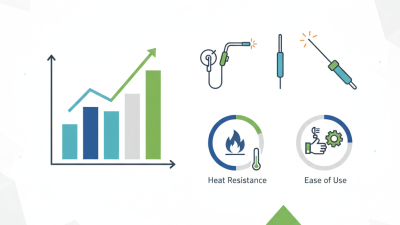
Choosing the best Welding Accessories starts with the work you actually do, not the longest product list. The right equipment can support safer, more consistent welds and make long sessions less tiring. A helmet with a clear view helps you track the joint. Gloves should protect your hands without making it difficult to hold a torch or feed filler material. Small details matter.
Fit the accessories to the welding process, materials, and work environment. A cramped workshop may call for compact storage and good fume-control equipment, while outdoor work can bring wind and changing light into the equation. Check product specifications, compatibility, and care instructions before buying. Start with the essentials. Then add tools that solve a real problem, such as a wire brush suited to the material or clamps that hold parts firmly in place.
Experience helps, but habits can be wrong. I have seen people keep using familiar gear even when it fits poorly or makes a task harder. That is worth reconsidering. Compare options from reputable manufacturers, and ask a qualified supplier or instructor when a specification is unclear. No single setup suits every welder. A thoughtful choice balances protection, comfort, durability, and budget—and leaves room to adjust as your skills and projects change.
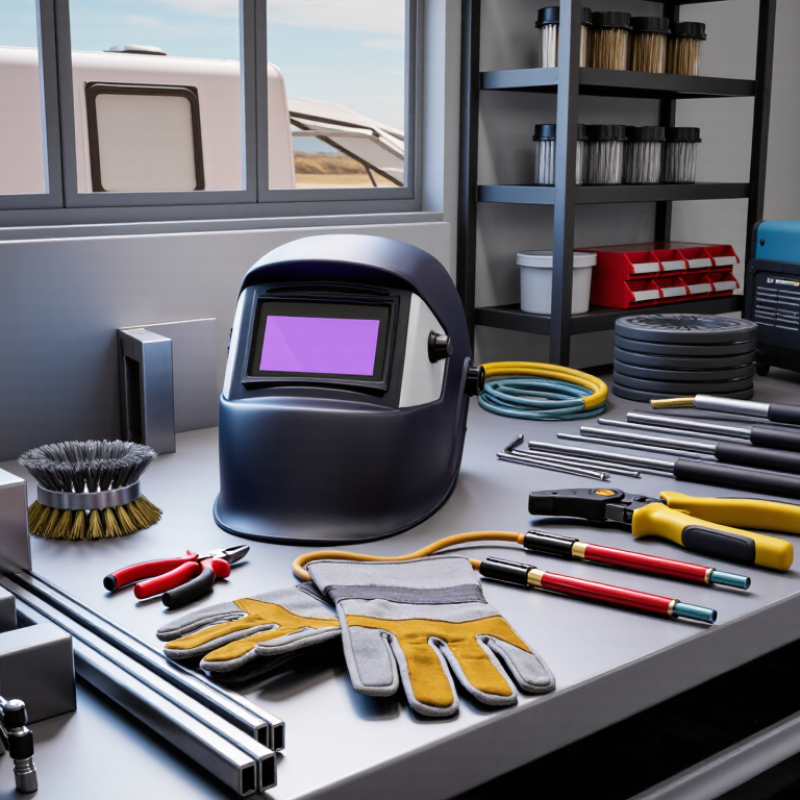
Start with the welding process, because accessories are not interchangeable. MIG work needs a compatible gun liner, contact tips, and wire-feeding setup. TIG work calls for suitable tungsten, collets, cups, and torch capacity. Stick welding requires a sound electrode holder and ground clamp. Fit matters. Check the machine’s output, connector type, and duty cycle before buying; an undersized torch can overheat during long welds.
Then define the actual job. Note the metal type and thickness, weld position, access, and expected hours of use. A shop welding thick steel all day has different needs from a technician repairing thin stainless steel in tight spaces. Outdoor work may call for cable lengths and protective gear suited to movement and changing conditions. Small details count. A glove that is too bulky can make feeding wire or positioning a tungsten electrode frustrating. Even a careful checklist can miss awkward access, so test the setup on scrap material when practical.
The U.S. Bureau of Labor Statistics projects about 45,800 annual openings for welders, cutters, solderers, and brazers from 2023 to 2033. That broad occupational figure does not prescribe specific accessories, but it reflects varied work settings and tasks. Treat it as context, not a shopping list. Choose accessories around the process and conditions you actually face, then reassess after a real weld.

An accessory can look right and still be unsuitable for a welding machine. Check the equipment manual before buying or fitting it. Match the torch, cable, electrode holder, and ground clamp to the machine’s connection type and rated output. A connector that almost fits is not a reliable match. It can loosen, overheat, or interrupt the arc.
Check the welding process, too. A gas regulator must suit the shielding gas and the required flow range. Torch consumables should match the torch model and the process being used. Compare amperage ratings and duty cycle, especially for cables and torches. A thin cable may warm noticeably during repeated, high-current welds. Small details matter.
Physical fit is only part of the check. Confirm polarity requirements, cable length, and whether the accessory supports the material and work conditions. Inspect contact surfaces for dirt, wear, or damage before use, and disconnect equipment before changing parts. Compatibility information can be incomplete or confusing; I would not guess when specifications conflict. Pause and verify with the equipment documentation or a qualified supplier. It may feel overly cautious. That is better than forcing a connection that seems close enough.
Choosing welding accessories starts with the hazards at your station: arc intensity, sparks, hot metal, and fumes. CDC/NIOSH’s workplace eye-safety guidance estimates that about 2,000 U.S. workers receive medical treatment for job-related eye injuries each day. That figure is hard to ignore. Wear impact-rated safety glasses beneath a helmet, and select a filter shade suited to the welding process and current. OSHA’s welding standard also calls for appropriate eye protection and protective screens.
Fit matters as much as the label. A helmet should stay put when you look down, without pressing painfully on your forehead. Check that the headgear adjusts with gloves on; a fiddly dial becomes a real nuisance mid-shift. Gloves should cover the wrists, resist heat and sparks, and still let you grip a small filler rod. Too bulky, and control suffers. Too loose, and sparks can slip inside.
Materials and comfort determine whether protection gets worn consistently. Choose flame-resistant clothing that covers exposed skin, with seams and closures that do not leave gaps. For prolonged work, consider weight, ventilation, and whether the respirator fits beneath the helmet without breaking its seal. NIOSH guidance on respiratory protection emphasizes fit testing for tight-fitting respirators. A practical check: move, bend, and raise your arms before striking an arc. Accessories can look right on a shelf and still rub, shift, or fog in use; that is worth admitting before the shift starts.
Choosing welding accessories means weighing durability, performance, and cost together. A sturdy helmet shell should handle routine bumps and hot spatter without becoming awkward to wear. Check that its lens provides clear visibility and suits the welding process. A comfortable fit matters too. Even good protection can be distracting if the headband slips during a long pass.
Performance often shows up in small details. Gloves should resist heat while still letting you grip a torch or adjust a clamp. Cuffs that cover the wrist can help protect against sparks. For cables and connectors, look for secure fittings and insulation suited to the equipment. Check product specifications rather than judging by appearance alone. Details matter. A stiff cable may last, yet make positioning harder in a tight workspace.
Cost is more than the price on the shelf. Compare expected service life, replacement parts, and how often an accessory will be used. A cheaper item may be sensible for occasional work, but frequent use can expose weak stitching or loose fittings quickly. Paying more is not automatically better. I’d compare two or three options against the actual job, then inspect the fit and finish before buying. That comparison can feel imperfect; real wear varies with storage, handling, and working conditions.
A good welding accessory should suit the job, but its care needs matter just as much. Check labels and care instructions before cleaning gloves, protective clothing, or a helmet. Wipe helmet lenses with a soft, clean cloth; rough paper can leave scratches that blur the view. Let damp gear dry fully before storing it. Keep it away from hot surfaces, oil, and sharp tools. Small cracks matter.
Set a replacement routine, then adjust it to the actual condition of your equipment. Replace gloves when seams split, fingertips thin, or burns expose the lining. Change a helmet lens if it is cracked, deeply scratched, or no longer gives a clear view. Retire clothing with holes or damaged closures that leave skin exposed. Follow the maker’s guidance for parts with specific service limits. Do not guess. A quick visual check can catch obvious wear, but it cannot confirm that every component still protects as intended.
Tips: Inspect gear before each shift, especially seams, lenses, and fasteners. Keep a simple note of purchase dates and visible damage. If you are unsure whether an item remains protective, pause and check its instructions or ask a qualified safety professional. It can feel wasteful to replace gear early, but waiting for complete failure is a poor test.