request to quote
Leave Your Message

What Are the 7 Best CNC Cutting Machines?

Choosing among the 7 best CNC cutting machines means matching the machine to the work, not simply chasing speed or a low price. A compact desktop router can handle signs and small parts, while an industrial plasma or fiber laser system suits different materials, thicknesses, and production demands. Each choice has trade-offs. A machine may cut quickly but require costly extraction, careful setup, or more floor space than a small workshop can spare.

CNC cutting specialist and manufacturing educator Dr. James Benes offers a useful principle: “Choose the machine around the material, tolerance, and workload—not the brochure’s headline speed.” Treat that as practical guidance, not a substitute for checking specifications and service support. Before comparing CNC Cutting Machines, consider the materials you actually use, the largest part you need to cut, and how often the machine will run. Also check controller compatibility, tooling costs, maintenance access, and available training. Small details matter: a rigid frame, a clear work envelope, and reliable dust or fume management can shape daily results.

This guide compares seven machine types and models across common workshop and production needs. It looks at cutting capability, operating costs, ease of use, and likely limitations. No single machine wins every category. Some comparisons depend on material and setup, so verify manufacturer specifications before buying. The right choice may be less impressive on paper—and better suited to your bench.
What Are the 7 Best CNC Cutting Machines?

What Defines a CNC Cutting Machine and Its Main Types?

A CNC cutting machine uses computer-controlled instructions to move a tool along precise X, Y, and Z axes. It converts a digital design into repeated physical cuts. The process can shape wood, metal, plastic, stone, foam, or fabric, depending on the machine. A good system needs more than accuracy. Its software, workholding, extraction, cooling, and operator settings also affect the result.

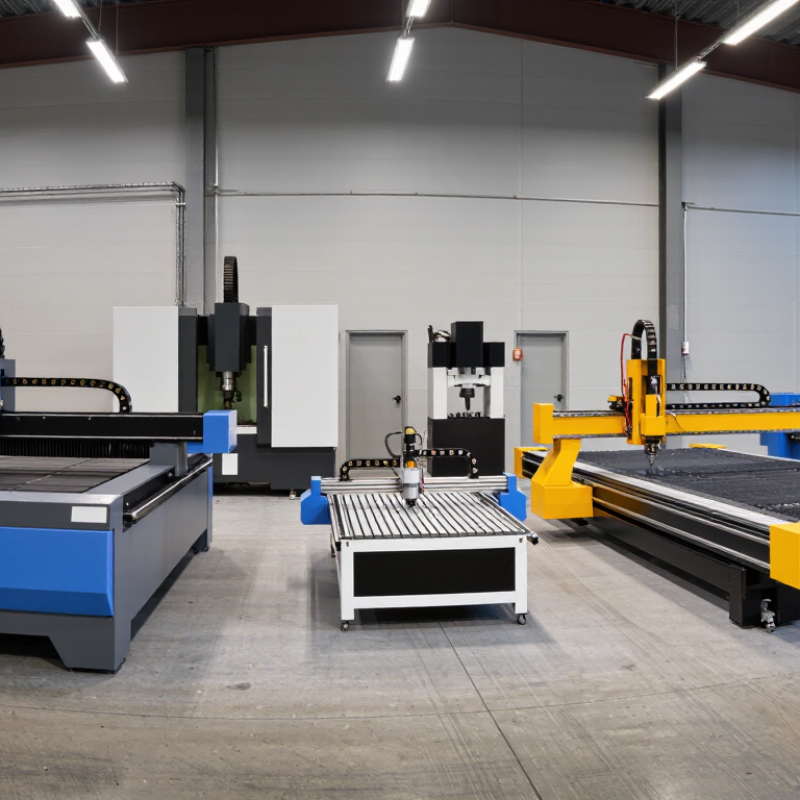
The seven main types are CNC routers, laser cutters, plasma cutters, waterjet cutters, oxy-fuel cutters, CNC knife cutters, and wire EDM machines. Routers suit wood, plastics, and soft metals. Lasers create narrow cuts with little physical contact. Plasma handles conductive sheet metal quickly, while waterjets cut thick materials without a heat-affected edge. Oxy-fuel works well on heavy steel. Knife cutters process cardboard, leather, foam, and textiles. Wire EDM delivers extremely precise cuts through conductive metal, although it is slower.

“Best” depends on material, thickness, tolerance, budget, and production volume. A laser may leave heat marks on some plastics. A router may produce dust and require careful clamping. Waterjet cutting avoids heat, but it can demand more maintenance and abrasive handling. Small errors matter. A loose workpiece, wrong feed rate, or dull tool can ruin an otherwise accurate design. Test cuts remain essential, even with experienced operators. Real workshop conditions are rarely as perfect as the specification sheet suggests.
What Are the 7 Best CNC Cutting Machines?

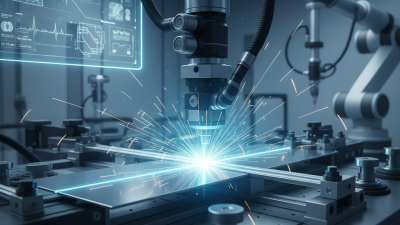
Representative maximum cutting thickness by CNC machine type

A CNC cutting machine uses computer-controlled tool paths to remove, slice, melt, or erode material with repeatable accuracy. The figures show representative upper working thicknesses commonly associated with each process, but actual capability depends on material, power, tooling, speed, and machine configuration. Plasma, laser, waterjet, oxy-fuel, router, wire EDM, and oscillating-knife systems are suited to different materials and production requirements, so there is no single best machine for every application.

How to Evaluate CNC Cutting Machines for Different Needs

What Are the 7 Best CNC Cutting Machines?

How to Evaluate CNC Cutting Machines for Different Needs

The best CNC cutting machine depends on your material, workspace, and production goals. A router suits wood, plastic, and soft metals. A laser cutter offers fine detail on sheets and thin materials. Plasma machines handle thicker steel quickly, while waterjet systems cut heat-sensitive materials without burning edges. Other options include knife cutters, wire EDM machines, and oxy-fuel cutters.

Evaluate the working area before checking advertised speed. A 600 × 900 millimeter bed may fit small signs but restrict furniture panels. Measure your largest workpiece, then leave room for clamps and movement. Accuracy also matters. Ask for repeatability data, not only cutting speed. In practical workshops, dust control, vibration, and software compatibility often affect results more than impressive specifications. I once underestimated extraction requirements; cleanup consumed more time than cutting.

Tips: Compare total ownership costs. Include tooling, consumables, electricity, maintenance, training, and ventilation. Test a sample using your actual material. Inspect corners, narrow slots, and curved edges. These details reveal weaknesses quickly. Check whether the machine supports reliable calibration and replacement parts. A low purchase price can become expensive after frequent downtime. Also consider operator skill. A powerful machine may produce poor results without suitable settings and routine checks. Leave flexibility for future projects, but avoid paying for capacity you will rarely use. Ensure the workspace meets local safety requirements before installation.

Seven CNC Cutting Machines Worth Considering

Seven CNC cutting machines suit very different materials, shop sizes, and tolerances.

A CNC router handles sheet wood, plastics, and composites; its broad bed makes cabinet panels easy to nest.

A laser cutter produces narrow, clean cuts in suitable sheet materials, but material compatibility and fume extraction need careful checking.

A plasma cutter is quick on conductive metals, though its edge may need finishing.

For thick steel, an oxy-fuel cutter is a practical choice, but it is slower to start and unsuitable for non-ferrous metals.

A waterjet cuts many materials without a heat-affected edge; abrasive use and operating costs deserve attention.

A CNC knife cutter suits fabric, foam, and flexible packaging, where heat would damage the edge.

A CNC milling machine offers controlled cutting for rigid parts, but complex setups can take time.

Fit matters more.

Industry figures provide context, not a buying shortcut. Gardner Intelligence’s 2024 World Machine Tool Survey reported about $83.9 billion in global machine-tool consumption for 2023, down roughly 3.3% year over year. Grand View Research estimated the CNC machine market at $67.5 billion in 2023 and projected 10.3% annual growth from 2024 to 2030. These reports use different market definitions, so their figures are not directly comparable.

I would shortlist machines by material, thickness, edge quality, and maintenance capacity, then test a real production part. A glossy sample can mislead.

How the Seven Machines Compare in Features and Performance

Choosing among seven CNC cutting machines depends on material, tolerance, thickness, and production volume. A three-axis router handles wood, plastics, and aluminum efficiently, but its spindle can struggle with hardened steel. A five-axis mill reaches angled surfaces with fewer setups. It costs more, yet reduces repositioning errors. A fiber laser delivers narrow kerfs and fast sheet processing. Its heat-affected zone remains relatively small. A plasma cutter is faster on thick steel, although its edge finish is rougher. A waterjet cuts stone, glass, and heat-sensitive alloys without thermal distortion. It is versatile, but consumes substantial water and abrasive. Wire EDM achieves exceptional precision on conductive metals, while oxy-fuel remains practical for very thick mild steel.

Performance should be judged with measured evidence, not showroom claims. ISO 230-2 separates positioning accuracy from repeatability, so buyers should request both figures. A 2024 Grand View Research report valued the global CNC machine market at about 81.9 billion dollars in 2023, with continued growth expected through 2030. That growth reflects automation demand, not identical machine quality. In workshop trials, cycle time, tool changes, fixturing, and operator skill often alter results. I have seen a slower machine produce cleaner parts because setup errors were lower. That detail is easy to overlook.

Tips: Compare cutting speed at your actual thickness. Check kerf width, tolerance, consumable cost, dust control, and service response. Request sample cuts using your material. A perfect specification sheet can still disappoint on the factory floor. Also measure energy use per finished part; the International Energy Agency continues to identify industrial efficiency as a major operating priority.

What Are the 7 Best CNC Cutting Machines?

How the Seven Machines Compare in Features and Performance

Machine Type Best-Suited Materials Typical Working Area Typical Cutting Capacity Cut Quality and Precision Main Strength Key Trade-Off Best-Fit Applications
CNC Router Wood, MDF, plywood, plastics, composites, and some non-ferrous metals Commonly about 1.2 × 2.4 m; smaller and larger beds are available Depends on material, cutter, and spindle; commonly used for sheet goods and parts several centimeters thick Good for profiling and 3D carving; final accuracy depends on machine rigidity, tooling, and setup Versatile cutting, drilling, and carving over large workpieces Produces chips and dust; metal cutting requires suitable tooling, rigidity, and speeds Cabinetry, signs, furniture components, prototypes, and decorative panels
CNC Plasma Table Electrically conductive metals, especially mild steel, stainless steel, and aluminum Often about 1.5 × 3 m, with larger production tables available From thin sheet to plate many tens of millimeters thick, depending on the plasma system Fast cuts, especially on mild steel; edges are generally rougher and more heat-affected than laser-cut edges High productivity on metal plate with comparatively modest equipment cost Cannot cut non-conductive materials; cut edges may need cleanup, and kerf is wider than laser kerf Metal fabrication, brackets, structural parts, and repair work
Fiber Laser Cutter Carbon steel, stainless steel, aluminum, brass, and other suitable metals Common sheet formats include about 1.5 × 3 m and 2 × 4 m Power-dependent: systems commonly process thin sheet through plate around 20 mm or more Narrow kerf and clean, precise edges; performance varies with material, thickness, power, and assist gas Fast, accurate profiling of metal sheet and plate Higher purchase and service costs; not the general-purpose choice for wood or most plastics High-volume sheet-metal parts, enclosures, panels, and precision components
CO₂ Laser Cutter Wood, paper, textiles, acrylic, and certain other non-metal materials Ranges from desktop beds under 1 m² to production beds around 1.3 × 2.5 m Material-dependent; commonly used for thin-to-moderate sheet materials, with acrylic and wood capacity depending on laser power Fine detail and narrow cuts on compatible materials; edges may be heat-affected or charred Excellent detail for engraving and cutting many non-metals Generally unsuitable for cutting reflective metals; requires fume extraction and careful fire precautions Signs, displays, packaging, crafts, textiles, and acrylic parts
CNC Waterjet Metals, stone, glass, ceramics, composites, and many heat-sensitive materials Commonly around 1.5 × 3 m; larger tables are used in production Can cut from thin sheets to very thick stock; practical limits depend on material and equipment No heat-affected zone; accuracy and edge taper depend on cutting head, settings, and material thickness Handles diverse materials without heat damage Slower than many thermal processes; abrasive systems consume garnet and require water management Thick plate, stone, glass, layered composites, and heat-sensitive parts
CNC Oscillating-Knife Cutter Cardboard, foam, rubber, textiles, leather, and flexible composites Often about 1.3 × 2.5 m, with conveyor-fed formats available Best for sheet and layered soft materials; capacity depends on blade length, material, and machine configuration Clean cuts without a thermal edge; tool choice and material hold-down affect detail and accuracy Fast, low-waste cutting of flexible and compressible materials Not intended for hard metals or thick rigid stock; blades are consumable Packaging, upholstery, apparel, gaskets, and foam inserts
CNC Oxy-Fuel Cutter Primarily carbon and low-alloy steel; not suitable for aluminum or stainless steel with standard oxy-fuel cutting Commonly about 1.5 × 3 m or larger for plate work Used for thick steel plate, often from roughly 6 mm upward and potentially well over 100 mm Slower and less precise than laser on thin sheet; edge quality and accuracy depend on plate thickness and setup Economical cutting of thick steel plate Limited material range; heat input can cause a larger affected zone and distortion Heavy fabrication, structural steel, shipbuilding, and thick-plate work

Note: These are general, representative comparisons of machine types, not specifications for a particular model. Working area, cutting capacity, speed, and accuracy vary with configuration, tooling, material, thickness, and operating conditions. Confirm machine specifications and material compatibility before purchase.

How to Choose the Right CNC Cutting Machine for Your Work

Choose by material and cut quality, not by advertised speed. A CNC router suits wood, plastics, and many composites; plasma cutting handles electrically conductive metal. Laser systems can produce narrow cuts on suitable sheet materials, while waterjets avoid heat-affected edges. Capabilities depend on machine configuration, tooling, and material thickness. Start with the stock, not the machine.

Check the usable work area, required tolerance, and daily cutting volume. A large table is wasted space if your parts are small. Ask suppliers for a sample cut using your own material, then inspect its edge, kerf, and repeatability. The first sample may look clean; repeated cuts can reveal heat buildup or tool wear. Keep the awkward offcut.

Automation is expanding, but it does not identify the right cutter for a specific shop. IFR’s World Robotics 2024 report recorded 541,302 industrial robot installations worldwide in 2023. Treat that as context, not proof that every workshop needs automation. Compare setup time, operator training, extraction or cooling needs, consumables, and software compatibility. A cheaper machine can become costly when its maintenance interrupts production. I would also leave room for doubt: published speed figures rarely reflect your actual material, nesting, or changeovers.