Leave Your Message
For global manufacturers, choosing Automatic Welding Equipment is a production decision, not simply a machinery purchase. It affects weld consistency, labor planning, safety controls, and long-term operating costs. A qualified system can repeat programmed torch paths, maintain stable parameters, and reduce variation between operators. That matters when a factory produces hundreds of frames, pressure-free structural parts, or metal assemblies each week.
Consistency builds trust.
In practical production reviews, engineers often inspect bead appearance, penetration results, cycle time, and rework records before approving automation. A reliable system should support suitable fixtures, sensors, welding power sources, and clear maintenance access. It should also provide usable records, such as current, voltage, travel speed, and alarm history. These details help teams identify problems before a small defect becomes a costly batch issue. Global buyers should confirm training, spare-parts availability, remote support, and compatibility with local electrical conditions. Supplier references and documented testing are valuable evidence, but they are not substitutes for application trials.
Automation is not a magic answer. A poorly designed fixture can reproduce the same error all day. Some low-volume or highly variable work may still require skilled manual welding. Buyers should compare total ownership costs, including integration, programming, inspection, downtime, and operator training. They should also verify applicable workplace and product requirements with qualified local professionals. The strongest choice is rarely the most advanced machine. It is the equipment that matches the material, joint design, production volume, workforce, and realistic quality goals. Careful evaluation may feel slower, yet it usually creates a more dependable investment.
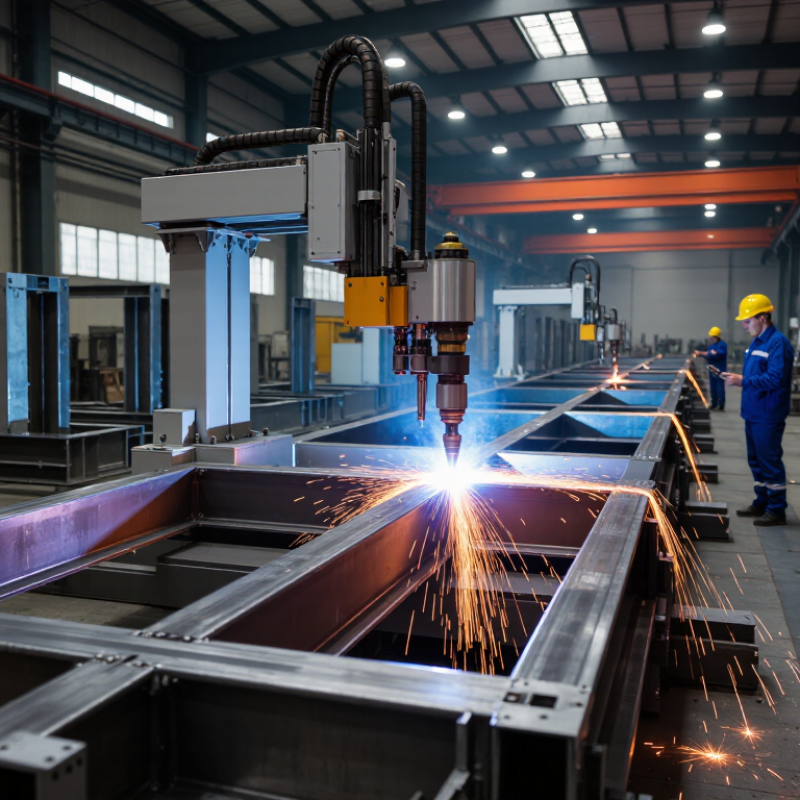
Automatic welding equipment is a system that controls some or most of the welding process with limited manual torch movement. It may include a power source, wire feeder, torch, fixture, controller, and sensors. Depending on the application, the torch travels along a programmed path, or the workpiece moves beneath it. The operator typically loads parts, sets parameters, and checks the weld. The operator still matters.
“Automatic” does not always mean fully unattended. Some systems need frequent part changes or careful adjustment when material thickness varies. A machine can repeat a poor setup very consistently. That distinction gets overlooked.
For global buyers, the useful question is what tasks the equipment actually automates. A fixed station may suit repeatable joints on steel frames, while a robotic cell can handle changing torch angles and longer seams. Ask how the system manages positioning, weld speed, and wire feed, then compare those details with your parts and production volume. A sample weld on the actual material can reveal issues that a specification sheet misses, such as spatter near a clamp or uneven bead width at a corner. Short trials matter. Automatic equipment can improve consistency, but only when the fixture, settings, and operator training fit the job.
Why Choose Automatic Welding Equipment for Global Buyers? — What Is Automatic Welding Equipment?
| Equipment Type | How It Works | Common Applications | Potential Advantages | Key Considerations |
|---|---|---|---|---|
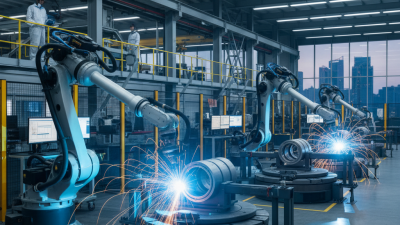
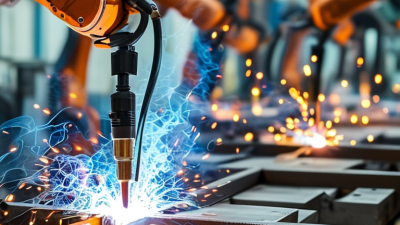
| Robotic Arc Welding Cell | An industrial robot moves a welding torch along programmed paths. The cell typically includes a power source, fixtures, safety guarding, and process controls. | Repeated welds on fabricated parts, vehicle components, machinery, and metal assemblies. | Can provide repeatable torch movement and support consistent production on suitable, repeatable parts. | Requires appropriate part fixturing, programming, operator training, and safety measures. Part variation may require sensing or process adjustments. |
| Mechanized Welding Carriage | A powered carriage travels along a workpiece or guide while carrying a welding torch at a controlled travel speed. | Long, relatively straight seams on tanks, structural components, plate, and pipe. | Can reduce the amount of manual torch travel and help maintain a steadier travel speed on suitable joints. | Works best when the travel path and joint fit-up are consistent. Setup and access to the workpiece affect results. |
| Orbital Welding System | A welding head rotates an electrode or torch around a stationary tube or pipe, usually following a programmed cycle. | Tube and pipe joints in industries where controlled, repeatable weld procedures are required. | Provides controlled motion around the joint and can store or repeat welding programs. | Joint preparation, tube alignment, material, wall thickness, and the selected welding procedure must be suitable for the application. |
| Automated Seam Welding System | Automated equipment moves a workpiece or electrode along a seam; resistance seam welding, for example, uses rotating wheel electrodes to make a series of overlapping welds. | Suitable sheet-metal assemblies and products requiring continuous or regularly spaced seams. | Can support repeatable seam production when material, joint design, and process settings are controlled. | Applicability depends on the welding process, material thickness, joint geometry, and required seam characteristics. |
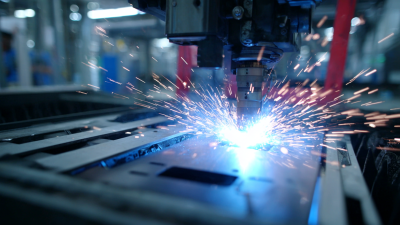
| Automated Laser Welding System | A controlled laser beam is directed along a joint, often using motion equipment or a robot; shielding and monitoring may be incorporated. | Precision joining of compatible metal components in applications with defined joint access and production requirements. | Can produce narrow welds with a concentrated heat source when the material and joint are appropriate. | Requires application-specific process validation, precise joint positioning, suitable laser safety controls, and compatible materials. |
| Automated Welding Line | Multiple stations coordinate tasks such as loading, positioning, welding, inspection, and unloading, with varying levels of automation. | High-volume production of products with stable designs and repeatable manufacturing steps. | Can coordinate several operations and reduce manual handling between process stages. | Needs careful line balancing, maintenance planning, operator training, and consideration of changeover needs and production volume. |
| What “Automatic” Means | Automation may control some or most welding motions and process steps. The level of automation varies by equipment and system configuration. | Applications where repeatability, production planning, or reduced manual torch movement are important. | May improve process repeatability and help manage production workflows when correctly selected and maintained. | Automatic equipment does not eliminate the need for qualified setup, inspection, maintenance, safety procedures, or suitable welding procedures. |
| Selection Factors for Global Buyers | Compare the required welding process, materials, part geometry, production volume, utilities, controls, safety needs, and local service arrangements. | Procurement and engineering evaluation across different facilities and operating environments. | A requirements-based comparison can help buyers assess process fit, integration needs, training, and lifecycle costs. | Confirm applicable local electrical and safety requirements, installation conditions, documentation, spare-parts availability, and after-sales support before purchase. |
Performance and suitability depend on the welding process, material, joint design, equipment configuration, operator training, and validated procedures. Buyers should confirm application requirements with qualified welding and safety professionals.