What is Automatic Cutting Equipment and How Does It Work?
Automatic Cutting Equipment is revolutionizing the manufacturing industry. With precision and efficiency at its core, these machines are becoming essential. According to a 2023 industry report by MarketsandMarkets, the global automatic cutting equipment market is expected to reach $4.5 billion by 2026. This shows rapid growth driven by demand for higher productivity.
Experts like Dr. Linda Walker, a leading figure in the automation sector, emphasize the significance of this technology. She states, “Automatic Cutting Equipment enhances precision, reduces waste, and lowers labor costs.” This highlights the core benefits, but challenges remain. Implementation can be complex, requiring skilled personnel and integration with existing systems.
Despite these hurdles, the advantages are compelling. Many manufacturers report increased output and reduced operational costs. However, businesses must carefully weigh initial investments against long-term savings. The transition may not be easy, but the potential returns make it a topic worth exploring.
Definition of Automatic Cutting Equipment
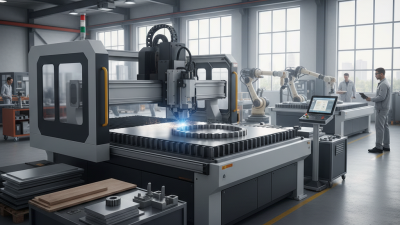
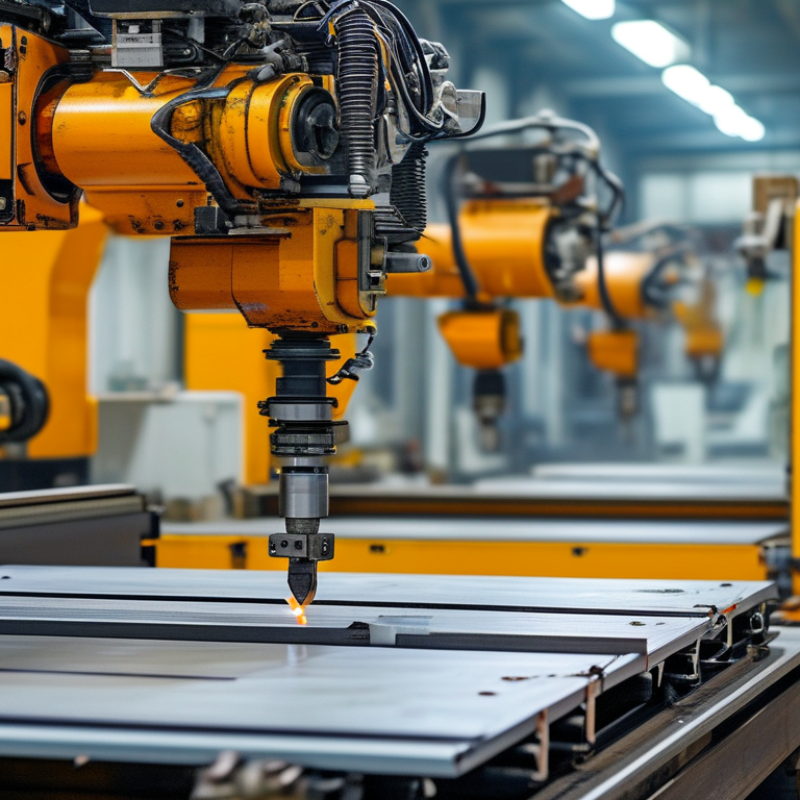
Automatic cutting equipment has transformed various industries by streamlining cutting processes. This technology is designed to cut materials with high precision and efficiency. It uses advanced machinery equipped with tools like lasers, blades, or water jets. These machines can handle different materials, including textiles, metals, and plastics.
In essence, automatic cutting equipment operates through a programmed system that directs the cutting tools. The software allows for intricate designs to be cut, significantly reducing manual labor. Users input specifications into the machine, and it executes cuts accurately and quickly. However, ensuring the software’s accuracy is crucial. Miscalculations can lead to material waste and increased costs. This highlights the need for regular maintenance and updates to avoid technical issues.
Adopting automatic cutting equipment offers many benefits, such as enhanced productivity and safety. However, reliance on technology can create challenges. For instance, operators must be trained to handle these machines effectively. The balance between technology and human expertise is essential for optimal performance. Continuous improvement in both areas is necessary for ongoing success in this field.
Types of Automatic Cutting Equipment in the Industry
Automatic cutting equipment plays a vital role in various industries, providing efficiency and precision. There are several types of this equipment, each tailored to specific materials and applications. For example, laser cutting machines are widely used in metal fabrication. According to a report by Market Research Future, the global laser cutting market is expected to reach $5.80 billion by 2023, indicating significant demand.
Water jet cutting is another popular choice. It uses high-pressure water to cut through materials like stone, glass, and metal without causing thermal distortion. A study by Technavio highlights that the water jet cutting market is set to grow at a CAGR of 6% between 2020 and 2024. This growth reflects the need for precision cutting in industries such as aerospace and automotive.
Plasma cutting is effective for thick metals and is favored for its speed and cost-efficiency. However, it requires skilled operators to set up and manage the equipment correctly. Misjudgments in settings can lead to wasted materials and increased costs. Each type of cutting equipment has its unique strengths and challenges, emphasizing the need for ongoing training and adaptation within the workforce.
Key Components and Mechanisms of Automatic Cutting Equipment
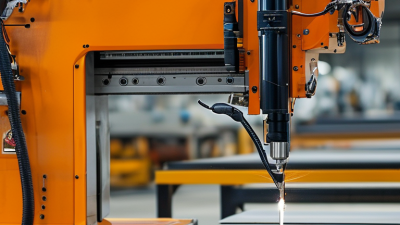
Automatic cutting equipment plays a crucial role in various industries. It combines several key components to ensure precise and efficient cutting. Among these, the cutting head is perhaps the most vital part. It is designed to hold cutting tools securely and can be adjusted based on the material type and thickness. This allows for customizable cuts that meet diverse production needs.
Another important element is the control system. It operates through software that interprets design files. The system guides the cutting head along predetermined paths. It often utilizes sensors to ensure accuracy. However, the calibration of these sensors can sometimes be inconsistent. When improperly calibrated, the result can lead to sizing errors.
The conveyor mechanism supports continuous material feeding. This feature eliminates manual handling, improving workflow efficiency. However, maintenance issues arise when parts wear out. Regular checks are necessary to avoid unexpected downtime. It's important to acknowledge that while automatic cutting equipment streamlines processes, it is not infallible. Operators must often troubleshoot problems, highlighting the human role in automation.
Working Principles of Automatic Cutting Technology
Automatic cutting technology has transformed manufacturing by streamlining the cutting process. This technology employs computer numerically controlled (CNC) machines to achieve precision that manual cutting simply cannot match. According to a recent industry report, automatic cutting systems can improve production efficiency by up to 60%. This increased efficiency translates into significant cost savings and faster turnaround times.
The core working principle of automatic cutting equipment lies in its ability to analyze designs using advanced software. These machines can interpret complex patterns and execute cuts with millimeter precision. Various techniques, such as laser cutting, waterjet cutting, and plasma cutting, allow for diverse applications across industries. For instance, laser cutting can penetrate thick materials and maintain fine details, while waterjet cutting effectively handles delicate fabrics without causing fraying.
However, integrating this technology is not without challenges. The initial investment in automatic cutting equipment can be substantial, and a steep learning curve may hinder user proficiency. Moreover, maintenance of these machines requires specialized knowledge and skills that not all operators possess. Continuously evolving technology also poses a risk; many businesses may find their equipment becoming obsolete as new innovations emerge. Overall, while the benefits of automatic cutting technology are significant, businesses must remain vigilant in navigating the complexities involved.
Automatic Cutting Equipment Efficiency Comparison
This bar chart represents the cutting speed of various automatic cutting technologies, showcasing their efficiency. The data illustrates how each method performs in terms of speed, which is a critical aspect in manufacturing processes.
Applications and Benefits of Using Automatic Cutting Equipment
Automatic cutting equipment revolutionizes various industries by streamlining production processes. It offers significant advantages across multiple applications, making it an essential tool in modern manufacturing. From textiles to automotive parts, this technology enhances precision and efficiency.
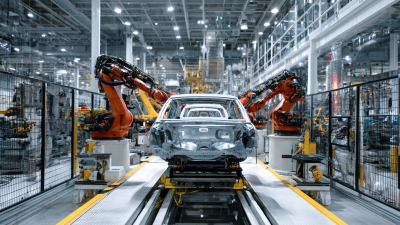
In textile manufacturing, automatic cutting machines significantly reduce labor costs. They can cut multiple layers of fabric simultaneously, ensuring accuracy and minimizing waste. This technology allows manufacturers to maintain high standards in quality while increasing output. In the automotive industry, automatic cutting equipment handles complex shapes and materials, delivering parts that fit perfectly.
When integrating this technology, consider the initial investment required. While automatic cutting units are costly, they often yield a swift return on investment through reduced waste and faster production times. Regular maintenance is also crucial to ensure consistent performance and longevity. Training staff is necessary to maximize the machine's potential, as human oversight remains critical.
Automation may streamline processes, but it also prompts reflection on workforce dynamics. Balancing advanced technology with skilled labor is essential. Ultimately, automatic cutting equipment transforms production methods, bringing efficiency and precision to the forefront.