What is a Cnc Rotary Cutter and How Does it Work?
The CNC rotary cutter is a pivotal tool in modern manufacturing. Its precision shapes materials with unparalleled accuracy. Reports by MarketsandMarkets indicate that the CNC machine market is projected to reach $117 billion by 2025, growing significantly due to the demand for automation.
CNC rotary cutters enhance production efficiency. They reduce human error and ensure consistency in cutting processes. Industries rely on these machines for intricate designs and high-quality outputs. Despite their advantages, operators must possess advanced skills to maximize their potential.
However, many businesses still face challenges with implementation. Some lack comprehensive training programs. Others experience high initial setup costs. This highlights the need for continuous improvement and adaptation in adopting this technology. As industries evolve, understanding the CNC rotary cutter becomes increasingly essential.
What is a CNC Rotary Cutter?
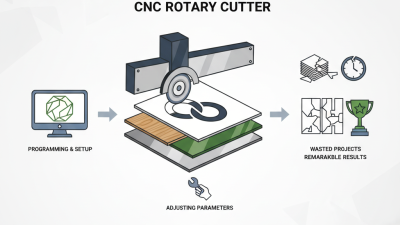
CNC rotary cutters are advanced tools used in manufacturing and fabrication. They operate using computer numerical control (CNC) technology, allowing precise and intricate cuts. These machines are often used to cut materials like wood, metal, or plastics, providing consistent quality and efficiency. The ability to program complex shapes directly into the machine saves time and effort compared to manual cutting methods.
Understanding the functionality of a CNC rotary cutter is crucial. The cutter spins at high speeds, making it effective at slicing through various materials. The design of the cutter can influence the quality of the cut. Different shapes and sizes matter. A poorly selected cutter might lead to rough edges or material damage, which can slow down production. Mistakes happen, but reflection on tool choices can improve results over time.
Overall, CNC rotary cutters enhance precision in shaping materials. They simplify intricate tasks and reduce labor costs. However, it’s essential for operators to continuously learn and adapt, as technology evolves rapidly in this field. The journey of mastering CNC machining is ongoing, filled with trial and error. Each project can teach valuable lessons and lead to improvements in future applications.
What is a CNC Rotary Cutter and How Does it Work?
| Feature |
Description |
Applications |
| Type |
Rotary Cutter |
Woodworking, Metal Fabrication |
| Control System |
Computer Numerical Control (CNC) |
Precision Cutting Tasks |
| Material Compatibility |
Metals, Plastics, Composites |
Manufacturing, Prototyping |
| Cutting Precision |
High Precision |
Custom Parts Production |
| Speed |
Variable Speed Control |
Rapid Prototyping |
| Software |
CAD/CAM Software Integration |
Design and Fabrication |
Key Components of a CNC Rotary Cutter
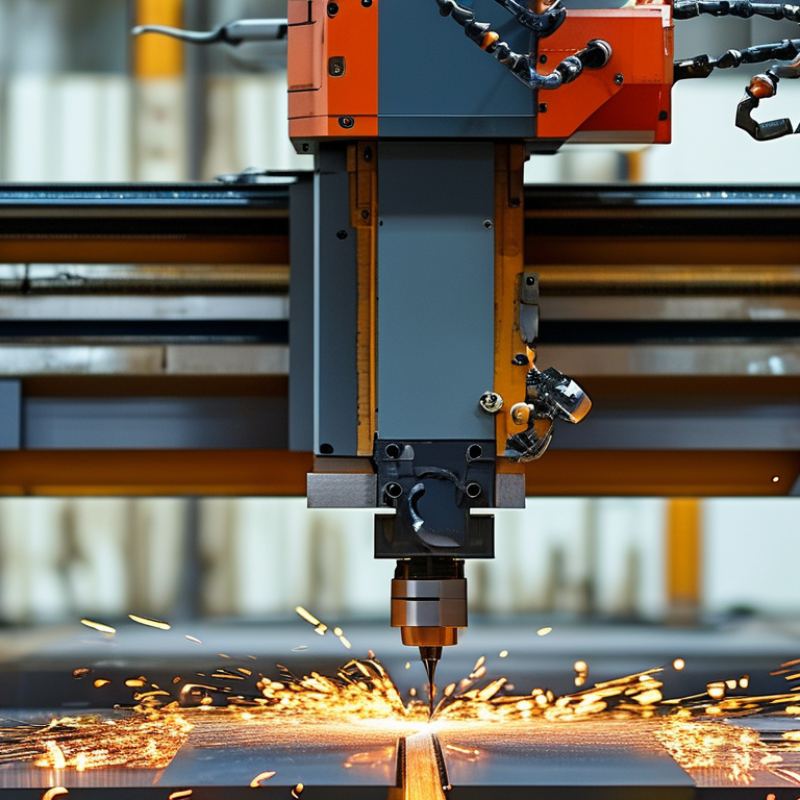
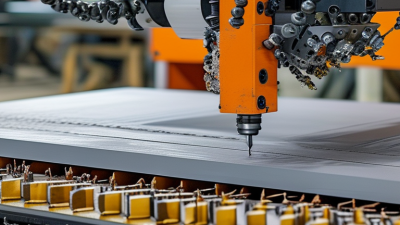
A CNC rotary cutter is a complex machine designed for precision cutting tasks. Understanding its key components is essential for grasping its operation. The main part of this machine is the spindle, which holds the cutting tool in place. This spindle rotates at high speeds, enabling it to slice through various materials, from metal to wood. The cut speed can vary based on the material type and thickness, making adjustments necessary for optimal results.
Another critical component is the control unit. This unit allows the operator to input cutting parameters and control the machine's movements. It works in tandem with software that generates precise cutting paths. These paths are essential for ensuring accuracy and quality in the final product. Additionally, the support frame provides stability. It absorbs vibrations and maintains the machine's overall alignment during operation.
Despite its advanced technology, there are areas for improvement. The learning curve for operating a CNC rotary cutter may be steep. Operators need to understand both the software and hardware intricacies. Tools should be maintained regularly to avoid performance issues. A lack of maintenance can lead to inaccuracies, ultimately affecting production quality. Such factors emphasize the importance of training and awareness in utilizing this technology effectively.
CNC Rotary Cutter Usage Statistics
How CNC Rotary Cutters Operate
CNC rotary cutters are advanced tools used in various industries for precision cutting. They operate by rotating a sharp blade at high speeds, allowing for efficient cutting of materials like wood, metal, and plastics. According to the Global CNC Cutting System Market Report, the market is projected to grow at a CAGR of 10% from 2022 to 2027. This growth reflects the increasing demand for automation in manufacturing.
The operation of a CNC rotary cutter involves intricate programming. The computer controls the cutter’s movements to achieve desired shapes and sizes. Operators input specifications using CAD software, which generates precise instructions for the tool. This ensures repeatability and reduces human error. A study from the American Machinist Journal highlighted that CNC systems can improve cutting accuracy by up to 20% compared to manual methods.
However, not every operation runs smoothly. Maintenance is crucial. Incorrectly calibrated machines can lead to diminished performance and increased scrap rates. Industry experts suggest regular inspection and recalibration. This helps maintain cutting quality and prolongs tool life. While CNC rotary cutters offer many advantages, operators must remain vigilant about their performance and adapt to any changes in material properties or design requirements.
Applications of CNC Rotary Cutters in Industry
CNC rotary cutters are widely used in various industries due to their versatility and efficiency. These tools excel in processes like cutting, shaping, and engraving materials such as metal, wood, and plastics. Their precision allows manufacturers to achieve intricate designs that would be difficult to replicate by hand. This ensures high-quality products while reducing waste.
In automotive and aerospace sectors, CNC rotary cutters are indispensable for creating components with tight tolerances. They can handle complex geometries, contributing to the overall safety and performance of vehicles and aircraft. However, not all applications yield perfect results. Operators need to maintain machines regularly to avoid issues like tool wear or uneven cutting. There is a learning curve in programming these machines, which can lead to inefficiencies if not managed properly.
Textile and furniture industries also benefit from CNC rotary cutters. They enable fast cutting of fabric and wood, enhancing production speed. Yet, improper settings can cause fabric fraying or inaccuracies in wood cuts. The balance between precision and speed in these applications is a constant challenge. Overall, while CNC rotary cutters offer significant advantages, attention to detail is crucial for optimal results.
Advantages of Using CNC Rotary Cutters
CNC rotary cutters are essential tools in modern manufacturing. Their precision and efficiency set them apart in cutting through various materials, including metal, wood, and plastic. One major advantage of using CNC rotary cutters is their ability to automate processes. This reduces labor costs significantly. Industry data indicates that manufacturers leveraging CNC technologies can boost productivity by up to 30%.
Another benefit is the repeatability of cuts. Unlike manual methods, CNC machines provide consistent results. This is crucial in sectors where uniformity is vital, such as automotive and aerospace. Studies have shown that accuracy in manufacturing directly correlates with fewer defects and lower material waste. Some reports estimate that effective use of CNC rotary cutters can decrease waste by as much as 25%.
Creating effective designs requires staying updated with best practices. Understanding how to optimize tool speed and feed rate can enhance performance. Regular training for operators is key. Reflect on operational methodologies to identify areas for improvement. Adopting a culture of continuous feedback helps in refining processes and maximizing the use of CNC technology.