What is the Future of Aerospace Welding Technology?
The aerospace industry is on the brink of a revolution, especially in the field of Aerospace Welding. According to the latest report by MarketsandMarkets, the aerospace welding market is projected to grow from $2.1 billion in 2023 to $3.6 billion by 2028. This growth is driven by technological advancements and increasing demand for lightweight materials in aircraft manufacturing.
Dr. Emily Carter, a noted expert in Aerospace Welding technologies, emphasizes, “The future of welding in aerospace lies in automation and material innovation.” Her insight reflects a significant shift toward using automated processes and advanced materials to meet stringent safety and efficiency standards.
However, there are challenges ahead. Integrating new technologies presents a steep learning curve for many professionals in the field. Furthermore, ensuring quality and consistency in welded joints remains a critical concern. As the industry evolves, continuous training and adaptation will be essential. The journey of Aerospace Welding is promising but demands reflective strategies to address ongoing hurdles.
Advancements in Aerospace Welding Techniques and Their Impacts
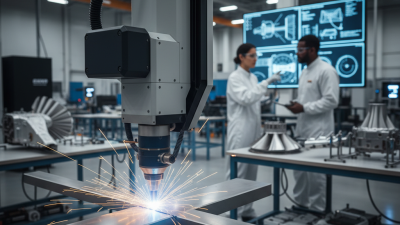
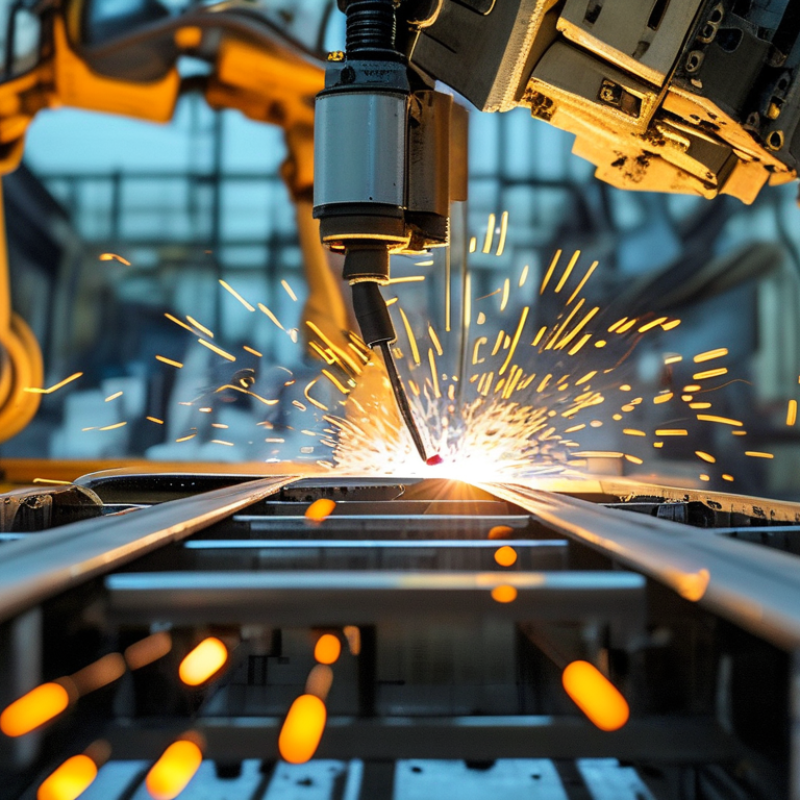
The aerospace industry is witnessing significant advancements in welding techniques. Innovations in materials and processes are reshaping how components are joined. Techniques like laser welding and friction stir welding are gaining traction. These methods offer greater precision and reduce thermal distortion. They enable stronger joints in complex aerospace designs.
However, challenges persist. Not all materials are compatible with these new techniques. The learning curve can be steep for technicians. This often leads to trial and error, which can impact production timelines. Additionally, the need for specialized training increases operational costs.
Moreover, industry standards are evolving. New guidelines are being introduced to ensure safety and reliability. Companies must adapt to these changes. The future might stress sustainability too. Eco-friendly welding practices are emerging, but implementation can be slow. Balancing innovation with practicality remains a complex task for the aerospace sector.
Emerging Materials in Aerospace Welding: The Future Landscape
The future landscape of aerospace welding technology will significantly change with emerging materials. Advanced alloys and composites are gaining attention. These materials can withstand extreme temperatures and pressures. They offer improvements in weight reduction and fuel efficiency. Engineers are focusing on new welding techniques that adapt to these materials.
The challenge lies in achieving strong joints without compromising the material integrity. Current welding processes may not be compatible with new alloys. Researchers are experimenting with hybrid welding methods to tackle this issue. These methods blend traditional and modern techniques, potentially yielding better results.
There is also a growing need for automation in aerospace welding. Robots equipped with advanced sensors can enhance precision. However, the skill gap in the workforce is a concern. Training is essential to harness these technologies effectively. The aerospace sector must navigate both opportunities and challenges as it embraces these innovations.
Automation and Robotics in Aerospace Welding Processes
Automation and robotics are reshaping aerospace welding processes. As per recent industry reports, automated welding systems can achieve accuracy levels up to 98%. This enhances quality control and reduces rework costs. With an increase in demand for lightweight materials, automation helps optimize welding techniques.
Robotic systems integrate AI technology to learn from patterns. This adaptability can lead to faster production cycles. For example, a study indicated that advanced robots could increase productivity by 25% compared to traditional methods. However, there are challenges. Not all welding processes are easily automated, which requires a nuanced approach. The industry must evaluate which tasks benefit from automation.
The workforce faces a transition. Skilled professionals are needed to operate complex systems. Training programs must evolve to keep pace with technological developments. While automation boosts efficiency, it is crucial to involve human expertise in the process. This ensures both quality and safety are maintained throughout the welding process.
Challenges and Solutions in Aerospace Welding Technology
Aerospace welding technology faces significant challenges that demand innovative solutions. The increasing complexity of modern aircraft materials, such as titanium and composites, creates difficulties in achieving strong, durable welds. Data from the International Institute of Welding indicates that flaws in welded joints can lead to critical failures, costing millions in repairs and lost time. As a result, aerospace manufacturers must invest in advanced welding techniques and training to mitigate risks.
One promising solution lies in the adoption of automated welding systems. These systems enhance precision, reduce human error, and improve weld quality. According to a recent report by the Aerospace Industries Association, the implementation of automation can increase productivity by up to 30%. However, the transition to automation isn't without its challenges. The need for skilled workers who can operate and maintain these machines presents a significant hurdle. Additionally, integration with existing workflows can be complicated and time-consuming.
Research into new welding materials and processes is crucial. Hybrid welding techniques, combining traditional and advanced methods, show promise for increasing the reliability of welds. A study by the American Welding Society suggests that these innovations may help address problems with thermal distortion and residual stresses, which often lead to structural weaknesses. Nevertheless, ongoing research is essential to fully understand these materials' properties and long-term performance in aerospace applications.
What is the Future of Aerospace Welding Technology?
This bar chart illustrates the key challenges facing aerospace welding technology, including automation, material advances, process improvement, training and skills, and regulatory challenges. Each category's score represents its relative importance in the future of aerospace welding.
Sustainability Trends in Aerospace Welding Practices
Aerospace welding practices are evolving to meet sustainability goals. The industry is under pressure to reduce its carbon footprint. This challenge calls for innovative techniques and materials. For example, using lightweight alloys minimizes the weight of aircraft. These advancements lead to better fuel efficiency and lower emissions.
Welding processes also seek to minimize waste. Techniques like laser welding and friction stir welding produce less scrap material. These methods ensure that resources are used efficiently. However, adopting these new techniques is not without challenges. Training skilled workers in these advanced methods takes time and investment. There is a notable skill gap in the current workforce.
Another sustainability trend involves recycling and reusing materials. Companies are exploring how to repurpose old aircraft components. This practice not only reduces waste but also cuts down on production costs. However, the quality and safety of recycled materials must be carefully assessed. This raises questions about the reliability of recycled options in critical areas. Balancing innovation with sustainability remains a complex task for the aerospace welding industry.
What is the Future of Aerospace Welding Technology? - Sustainability Trends in Aerospace Welding Practices
| Welding Technology |
Sustainability Impact |
Efficiency Improvement (%) |
Expected Industry Adoption Year |
| Laser Welding |
Reduced waste and energy consumption |
30% |
2025 |
| Friction Stir Welding |
Lower carbon footprint and noise pollution |
25% |
2026 |
| Additive Manufacturing Welding |
Minimized raw material waste |
35% |
2027 |
| Electron Beam Welding |
Higher precision with less material needed |
20% |
2025 |
| Plasma Arc Welding |
Improved energy consumption and efficiency |
15% |
2026 |