Why Choose CNC Cutting Machines for Your Business Needs?
In today’s competitive manufacturing landscape, businesses are constantly looking for ways to enhance efficiency and precision. According to Scott D. McMillan, a renowned expert in CNC technology, “CNC cutting machines have revolutionized how industries approach production.” These machines offer unparalleled accuracy, ensuring that every cut meets exact specifications.
CNC cutting machines integrate technology with creativity. They allow for intricate designs that were once impossible with traditional methods. Many companies have seen their production capabilities skyrocket through the adoption of CNC technology. The precision of these machines minimizes waste and maximizes profit margins, key factors in business success.
However, transitioning to CNC cutting machines can be daunting. Businesses face challenges such as initial costs and the need for skilled operators. While technology presents incredible advantages, it also requires careful planning and adaptation. Embracing CNC cutting machines demands a commitment to continuous improvement and skill development. This journey may not be easy, but the rewards are significant for those willing to invest in their capabilities.
Advantages of CNC Cutting Machines in Modern Manufacturing
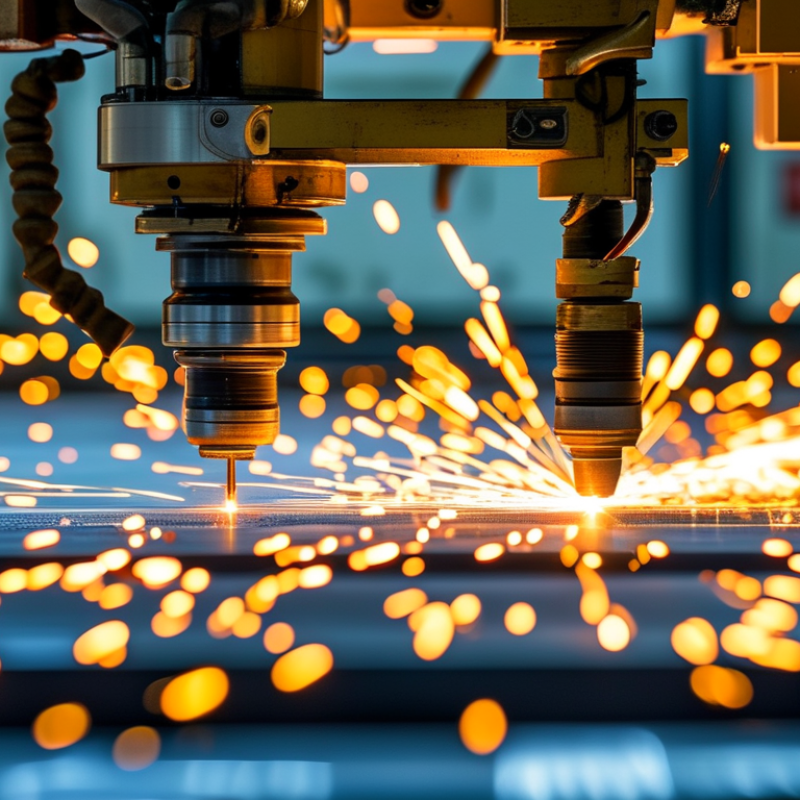
CNC cutting machines have transformed modern manufacturing. Their precision and efficiency cater to various industries, from automotive to aerospace. These machines use computer numerical control to guide cutting tools. This leads to exceptional accuracy and repeatability in production.
One significant advantage is reduced waste. CNC machines optimize material use, cutting parts to exact specifications. This can lower costs and improve sustainability. Additionally, they allow for complex designs that were once challenging to achieve. Manufacturers can create intricate components with minimal manual intervention.
However, investing in CNC technology requires a thoughtful approach. Initial costs can be high, and staff training is essential. Some operators may struggle with the software. Continuous learning is necessary to maximize efficiency. Adaptability is key as technology evolves. Embracing CNC cutting machines offers great potential, but success depends on a well-planned implementation strategy.
Advantages of CNC Cutting Machines in Modern Manufacturing
Versatility of CNC Cutting Machines Across Various Industries
CNC cutting machines have become essential across multiple industries due to their remarkable versatility. In manufacturing, they handle complex designs with precise accuracy. These machines cut materials like metal, wood, and plastic effortlessly. They are not limited to one application. A single CNC machine can produce components for automotive, aerospace, and even custom furniture.
In the architecture sector, CNC technology aids in creating intricate patterns in building materials. Architects utilize CNC cutting for facades and custom installations. Each project demands unique designs. This technology accommodates various needs and allows for rapid prototyping. However, adapting to new CNC technologies requires continuous learning. Workers must update their skills regularly.
Despite the many advantages, challenges remain. The initial investment can be significant. Small businesses might struggle to justify costs. As companies adopt CNC technology, they must evaluate its long-term benefits. Careful planning can prevent overspending or underutilization. The potential for innovation is immense, but it should be approached thoughtfully.
Cost Efficiency and Precision: Key Benefits for Businesses
When considering CNC cutting machines for your business, cost efficiency is a significant factor. These machines streamline production processes. They reduce material waste by using precise cutting techniques. This optimization results in lower costs. Over time, these savings add up, benefiting your bottom line. Businesses can allocate resources to other areas, enhancing overall productivity.
Precision is another critical benefit. CNC machines work with exact specifications. This accuracy minimizes errors that can lead to costly rework. A tighter tolerance means better-quality products. High precision can also open up new market opportunities. Businesses can attract clients with exacting standards. However, it is essential to maintain equipment properly to ensure this level of accuracy. Regular calibration is vital. Without it, precision can suffer, leading to disappointment and loss of clients.
Investing in CNC cutting machines may seem daunting. The initial investment is significant, and the learning curve can be steep. Yet, the long-term rewards often outweigh these challenges. Balancing upfront costs with potential gains is crucial. It's important to evaluate whether your business is ready for this shift. Understanding both the advantages and potential pitfalls will lead to more informed decisions.
Why Choose CNC Cutting Machines for Your Business Needs? - Cost Efficiency and Precision: Key Benefits for Businesses
| Benefit |
Description |
Cost Savings (%) |
Precision Level |
| High Precision Cutting |
CNC machines provide very precise cuts, reducing the need for rework. |
30 |
± 0.005 inches |
| Reduced Waste |
Optimized cutting paths lead to less material waste. |
20 |
N/A |
| Increased Production Speed |
Faster cutting speeds compared to manual cutting processes. |
25 |
Depends on material |
| Flexibility |
Ability to switch easily between different designs and materials. |
15 |
N/A |
| Labor Cost Reduction |
Less manual labor required frees up workforce for other tasks. |
40 |
N/A |
Automation and Productivity Enhancements with CNC Technology
CNC cutting machines are transforming the landscape of manufacturing. These machines enhance both automation and productivity, boosting overall efficiency. According to a report by the International Federation of Robotics, companies using CNC technology can increase production speed by up to 30%. This kind of improvement means faster turnaround times and greater customer satisfaction.
One notable advantage of CNC machines is their precision. They minimize human error, leading to high-quality output. This precision is crucial in industries like aerospace and medical manufacturing, where even tiny discrepancies can lead to issues. However, it's essential to regularly calibrate and maintain these machines. Neglecting maintenance can result in costly errors down the line.
**Tip:** Regular training of machine operators can significantly enhance productivity. Skilled operators are better at identifying potential issues early on. Investing in employee training also boosts morale, which can lead to a more efficient workplace. Don't overlook the importance of feedback on machinery performance. Adapting operations based on real-world experiences is vital for continuous improvement.
Choosing the Right CNC Cutting Machine for Your Specific Needs
Choosing the right CNC cutting machine is crucial for business efficiency. A machine that aligns with specific production needs can significantly optimize output. According to a recent industry report from MarketsandMarkets, the global CNC machine tools market is projected to reach $112.2 billion by 2025, indicating robust growth. This highlights the importance of investing wisely.
Different industries have varied requirements. For instance, a company in the aerospace sector may prioritize precision over speed. Conversely, a furniture manufacturer might prioritize speed for mass production. Understanding your unique needs is vital. Only 45% of businesses currently employ CNC technology effectively, as noted by a Statista study. This suggests many companies may not be utilizing machines that suit their operations best.
Considering features like automation, software compatibility, and maintenance support is essential. Some machines may present challenges, like complex programming or high maintenance costs. Research from the International Federation of Robotics indicates that only 33% of companies see a clear return on their CNC investment. Reflecting on these factors can guide businesses in making informed decisions.